Mitochondrial replacement in human oocytes carrying pathogenic mitochondrial DNA mutations.
Maternally inherited mitochondrial (mt)DNA mutations can cause fatal or severely debilitating syndromes in children,with disease severity dependent on the specific gene mutation and the ratio of mutant to wild-type mtDNA (heteroplasmy) in each cell and tissue. Pathogenic mtDNA mutations are relatively common,with an estimated 778 affected children born each year in the United States. Mitochondrial replacement therapies or techniques (MRT) circumventing mother-to-child mtDNA disease transmission involve replacement of oocyte maternal mtDNA. Here we report MRT outcomes in several families with common mtDNA syndromes. The mother's oocytes were of normal quality and mutation levels correlated with those in existing children. Efficient replacement of oocyte mutant mtDNA was performed by spindle transfer,resulting in embryos containing<99% donor mtDNA. Donor mtDNA was stably maintained in embryonic stem cells (ES cells) derived from most embryos. However,some ES cell lines demonstrated gradual loss of donor mtDNA and reversal to the maternal haplotype. In evaluating donor-to-maternal mtDNA interactions,it seems that compatibility relates to mtDNA replication efficiency rather than to mismatch or oxidative phosphorylation dysfunction. We identify a polymorphism within the conserved sequence box II region of the D-loop as a plausible cause of preferential replication of specific mtDNA haplotypes. In addition,some haplotypes confer proliferative and growth advantages to cells. Hence,we propose a matching paradigm for selecting compatible donor mtDNA for MRT.
View Publication
产品类型:
产品号#:
85850
85857
产品名:
mTeSR™1
mTeSR™1
Cobb JP et al. (MAR 2005)
Proceedings of the National Academy of Sciences of the United States of America 102 13 4801--6
Application of genome-wide expression analysis to human health and disease.
The application of genome-wide expression analysis to a large-scale,multicentered program in critically ill patients poses a number of theoretical and technical challenges. We describe here an analytical and organizational approach to a systematic evaluation of the variance associated with genome-wide expression analysis specifically tailored to study human disease. We analyzed sources of variance in genome-wide expression analyses performed with commercial oligonucleotide arrays. In addition,variance in gene expression in human blood leukocytes caused by repeated sampling in the same subject,among different healthy subjects,among different leukocyte subpopulations,and the effect of traumatic injury,were also explored. We report that analytical variance caused by sample processing was acceptably small. Blood leukocyte gene expression in the same individual over a 24-h period was remarkably constant. In contrast,genome-wide expression varied significantly among different subjects and leukocyte subpopulations. Expectedly,traumatic injury induced dramatic changes in apparent gene expression that were greater in magnitude than the analytical noise and interindividual variance. We demonstrate that the development of a nation-wide program for gene expression analysis with careful attention to analytical details can reduce the variance in the clinical setting to a level where patterns of gene expression are informative among different healthy human subjects,and can be studied with confidence in human disease.
View Publication
产品类型:
产品号#:
15021
15061
15028
15068
产品名:
RosetteSep™人T细胞富集抗体混合物
RosetteSep™人T细胞富集抗体混合物
RosetteSep™ 人单核细胞富集抗体混合物
RosetteSep™人单核细胞富集抗体混合物
McCracken KW et al. (DEC 2014)
Nature 516 7531 400--4
Modelling human development and disease in pluripotent stem-cell-derived gastric organoids.
Gastric diseases,including peptic ulcer disease and gastric cancer,affect 10% of the world's population and are largely due to chronic Helicobacter pylori infection. Species differences in embryonic development and architecture of the adult stomach make animal models suboptimal for studying human stomach organogenesis and pathogenesis,and there is no experimental model of normal human gastric mucosa. Here we report the de novo generation of three-dimensional human gastric tissue in vitro through the directed differentiation of human pluripotent stem cells. We show that temporal manipulation of the FGF,WNT,BMP,retinoic acid and EGF signalling pathways and three-dimensional growth are sufficient to generate human gastric organoids (hGOs). Developing hGOs progressed through molecular and morphogenetic stages that were nearly identical to the developing antrum of the mouse stomach. Organoids formed primitive gastric gland- and pit-like domains,proliferative zones containing LGR5-expressing cells,surface and antral mucous cells,and a diversity of gastric endocrine cells. We used hGO cultures to identify novel signalling mechanisms that regulate early endoderm patterning and gastric endocrine cell differentiation upstream of the transcription factor NEUROG3. Using hGOs to model pathogenesis of human disease,we found that H. pylori infection resulted in rapid association of the virulence factor CagA with the c-Met receptor,activation of signalling and induction of epithelial proliferation. Together,these studies describe a new and robust in vitro system for elucidating the mechanisms underlying human stomach development and disease.
View Publication
产品类型:
产品号#:
07920
07922
85850
85857
产品名:
ACCUTASE™
ACCUTASE™
mTeSR™1
mTeSR™1
Lin GG et al. (JAN 2010)
Methods in molecular biology (Clifton,N.J.) 636 1--24
Human embryonic stem cell derivation, maintenance, and differentiation to trophoblast.
Since the first report of derivation of human embryonic stem cell (hESC) lines in 1998,many progresses have been achieved to reliably and efficiently derive,maintain,and differentiate this therapeutically promising cell type. This chapter introduces some basic and widely recognized methods that we use in our hESC core laboratory. Specifically,it includes methods for (1) deriving hESC lines without using enzyme and antibody to isolate the inner cell mass; (2) sustaining hESC self-renewal under feeder-dependent,feeder-conditioned,and defined conditions as well as pluripotency validation and quality control assays; and (3) inducing hESC differentiation to trophoblast with BMP4.
View Publication
产品类型:
产品号#:
85850
85857
产品名:
mTeSR™1
mTeSR™1
Meng G et al. (JUN 2010)
Biochemistry and cell biology = Biochimie et biologie cellulaire 88 3 479--490
Derivation of human embryonic stem cell lines after blastocyst microsurgery.
Embryonic stem cells (ESCs) are derived from the inner cell mass (ICM) of the blastocyst. Because of their ability to differentiate into a variety of cell types,human embryonic stem cells (hESCs) provide an unlimited source of cells for clinical medicine and have begun to be used in clinical trials. Presently,although several hundred hESC lines are available in the word,only few have been widely used in basic and applied research. More and more hESC lines with differing genetic backgrounds are required for establishing a bank of hESCs. Here,we report the first Canadian hESC lines to be generated from cryopreserved embryos and we discuss how we navigated through the Canadian regulatory process. The cryopreserved human zygotes used in this study were cultured to the blastocyst stage,and used to isolate ICM via microsurgery. Unlike previous microsurgery methods,which use specialized glass or steel needles,our method conveniently uses syringe needles for the isolation of ICM and subsequent hESC lines. ICM were cultured on MEF feeders in medium containing FBS or serum replacer (SR). Resulting outgrowths were isolated,cut into several cell clumps,and transferred onto fresh feeders. After more than 30 passages,the two hESC lines established using this method exhibited normal morphology,karyotype,and growth rate. Moreover,they stained positively for a variety of pluripotency markers and could be differentiated both in vitro and in vivo. Both cell lines could be maintained under a variety of culture conditions,including xeno-free conditions we have previously described. We suggest that this microsurgical approach may be conducive to deriving xeno-free hESC lines when outgrown on xeno-free human foreskin fibroblast feeders.
View Publication
产品类型:
产品号#:
07923
85850
85857
产品名:
Dispase (1 U/mL)
mTeSR™1
mTeSR™1
Xie X et al. (JAN 2011)
Stem cells and development 20 1 127--138
Effects of long-term culture on human embryonic stem cell aging.
In recent years,human embryonic stem (hES) cells have become a promising cell source for regenerative medicine. Although hES cells have the ability for unlimited self-renewal,potential adverse effects of long-term cell culture upon hES cells must be investigated before therapeutic applications of hES cells can be realized. Here we investigated changes in molecular profiles associated with young (textless60 passages) and old (textgreater120 passages) cells of the H9 hES cell line as well as young (textless85 passages) and old (textgreater120 passages) cells of the PKU1 hES cell line. Our results show that morphology,stem cell markers,and telomerase activity do not differ significantly between young and old passage cells. Cells from both age groups were also shown to differentiate into derivatives of all 3 germ layers upon spontaneous differentiation in vitro. Interestingly,mitochondrial dysfunction was found to occur with prolonged culture. Old passage cells of both the H9 and PKU1 lines were characterized by higher mitochondrial membrane potential,larger mitochondrial morphology,and higher reactive oxygen species content than their younger counterparts. Teratomas derived from higher passage cells were also found to have an uneven preference for differentiation compared with tumors derived from younger cells. These findings suggest that prolonged culture of hES cells may negatively impact mitochondrial function and possibly affect long-term pluripotency.
View Publication
产品类型:
产品号#:
85850
85857
产品名:
mTeSR™1
mTeSR™1
B. Kan et al. (NOV 2018)
Nature communications 9 1 4822
Cellular metabolism constrains innate immune responses in early human ontogeny.
Pathogen immune responses are profoundly attenuated in fetuses and premature infants,yet the mechanisms underlying this developmental immaturity remain unclear. Here we show transcriptomic,metabolic and polysome profiling and find that monocytes isolated from infants born early in gestation display perturbations in PPAR-$\gamma$-regulated metabolic pathways,limited glycolytic capacity and reduced ribosomal activity. These metabolic changes are linked to a lack of translation of most cytokines and of MALT1 signalosome genes essential to respond to the neonatal pathogen Candida. In contrast,they have little impact on house-keeping phagocytosis functions. Transcriptome analyses further indicate a role for mTOR and its putative negative regulator DNA Damage Inducible Transcript 4-Like in regulating these metabolic constraints. Our results provide a molecular basis for the broad susceptibility to multiple pathogens in these infants,and suggest that the fetal immune system is metabolically programmed to avoid energetically costly,dispensable and potentially harmful immune responses during ontogeny.
View Publication
Human Norovirus Triggers Primary B Cell Immune Activation In Vitro.
Human norovirus (HNoV) is a global health and socioeconomic burden,estimated to infect every individual at least five times during their lifetime. The underlying mechanism for the potential lack of long-term immune protection from HNoV infections is not understood and prompted us to investigate HNoV susceptibility of primary human B cells and its functional impact. Primary B cells isolated from whole blood were infected with HNoV-positive stool samples and harvested at 3??days postinfection (dpi) to assess the viral RNA yield by reverse transcriptase quantitative PCR (RT-qPCR). A 3- to 18-fold increase in the HNoV RNA yield was observed in 50 to 60% of donors. Infection was further confirmed in B cells derived from splenic and lymph node biopsy specimens. Next,we characterized infection of whole-blood-derived B cells by flow cytometry in specific functional B cell subsets (naive CD27- IgD+,memory-switched CD27+ IgD-,memory-unswitched CD27+ IgD+,and double-negative CD27- IgD- cells). While the susceptibilities of the subsets were similar,changes in the B cell subset distribution upon infection were observed,which were also noted after treatment with HNoV virus-like particles and the predicted recombinant NS1 protein. Importantly,primary B cell stimulation with the predicted recombinant NS1 protein triggered B cell activation and induced metabolic changes. These data demonstrate that primary B cells are susceptible to HNoV infection and suggest that the NS1 protein can alter B cell activation and metabolism in vitro,which could have implications for viral pathogenesis and immune responses in vivo. IMPORTANCE Human norovirus (HNoV) is the most prevalent causative agent of gastroenteritis worldwide. Infection results in a self-limiting disease that can become chronic and severe in the immunocompromised,the elderly,and infants. There are currently no approved therapeutic and preventative strategies to limit the health and socioeconomic burdens associated with HNoV infections. Moreover,HNoV does not elicit lifelong immunity as repeat infections are common,presenting a challenge for vaccine development. Given the importance of B cells for humoral immunity,we investigated the susceptibility and impact of HNoV infection on human B cells. We found that HNoV replicates in human primary B cells derived from blood,spleen,and lymph node specimens,while the nonstructural protein NS1 can activate B cells. Because of the secreted nature of NS1,we put forward the hypothesis that HNoV infection can modulate bystander B cell function with potential impacts on systemic immune responses.
View Publication
Human iPSC-derived cerebral organoids reveal oxytocin-mediated protection against amyloid-? pathology
IntroductionNeuroinflammation is a key contributor to the pathogenesis of Alzheimer's disease (AD),and impaired clearance of amyloid-? (A?) by microglia is closely associated with disease progression. Oxytocin (OXT),a hypothalamic neuropeptide,has recently been reported to exert anti-inflammatory effects on microglia; however,its therapeutic potential in the human brain remains unclear.MethodsWe generated human cerebral organoids (hCOs) from induced pluripotent stem cells (iPSCs) to model early AD-like pathology. A? toxicity was induced by applying 3 ?M A?1–42 for 48 h. The protective effects of OXT were evaluated through immunohistochemistry,RT-qPCR,calcium imaging,and multielectrode array (MEA) recordings. The involvement of microglia in A? clearance was assessed by immunostaining and gene expression analysis of TREM2.ResultsA? exposure led to significant deposition of A? in the outer layers of hCOs,accompanied by suppressed neural activity and increased apoptotic signaling. Pretreatment with OXT attenuated A? deposition and caspase-3-mediated apoptosis in a concentration-dependent manner. OXT also restored calcium oscillations and neuronal network activity as measured by MEA. Notably,OXT enhanced the recruitment of microglia to A? deposits and upregulated the expression of TREM2,a key regulator of microglial phagocytosis. Co-expression of oxytocin receptors (OXTR) on Iba1-positive microglia suggests that OXT directly modulates microglial activation and A? clearance.ConclusionsOXT has neuroprotective effects on human cortical organoids by preserving their neuronal activity and promoting microglial-mediated A? clearance. This study provides novel insights into the therapeutic potential of OXT for targeting neuroinflammation and A? pathology in patients with AD. Graphical abstractImage 1 Highlights•Oxytocin reduces A? deposition and apoptosis in human cerebral organoids.•A? impairs neuronal activity,rescued by oxytocin preconditioning.•Oxytocin enhances microglial phagocytosis via OXTR and TREM2 upregulation.•Human iPSC-derived organoids model early A? pathology and oxytocin response.
View Publication
产品类型:
产品号#:
100-0483
100-0484
100-0276
100-1130
产品名:
Hausser Scientificᵀᴹ 明线血球计数板
ReLeSR™
mTeSR™ Plus
mTeSR™ Plus
(Jun 2025)
Journal of Molecular and Cellular Cardiology Plus 13 15
MitoQ Protects Against Oxidative Stress-Induced Mitochondrial Dysregulation in Human Cardiomyocytes
The overproduction of reactive oxygen species (ROS) and mitochondrial dysregulation are regarded as key mechanisms in the progression of cardiac remodelling in cardiometabolic diseases including heart failure. Conventional treatments are often ineffective as they do not specifically target the underlying pathological mechanisms. Mitoquinone mesylate (MitoQ),a mitochondrial-targeted antioxidant has been reported to be protective against vascular dysfunction in hypertension,diabetic kidney disease and alcohol-induced liver damage. However,the cardioprotective potential of MitoQ to limit oxidative stress-induced mitochondrial remodelling in cardiomyocytes has not been fully resolved. We sought to investigate the effect of MitoQ and its mitochondrial-targeting moiety dodecyl-triphenylphosphonium (dTPP) on hydrogen peroxide-induced overproduction of ROS,mitochondrial dysregulation and cell death in H9C2 rat cardiomyoblasts (H9C2-rCM) and human induced pluripotent stem cell-derived cardiomyocytes (hiPSC-CM). Cardiomyocytes were exposed to acute or chronic treatment (5–60 min or 48 h) of vehicle control (0.0001 % Ultrapure Milli-Q water),hydrogen peroxide (100 ?M) ± MitoQ (1 ?M) or dTPP (1 ?M) control. Hydrogen peroxide-induced overproduction of ROS,extracellular superoxide,mitochondrial ROS,mitochondrial hyperpolarisation and cell death were significantly blunted by MitoQ,but not dTPP,suggesting that the coenzyme Q10 moiety of MitoQ is protective under these conditions. Interestingly,both MitoQ and dTPP exhibited a pro-mitochondrial fusion effect by preserving mitochondrial network and reducing mitochondrial fragmentation in oxidative stress conditions. Overall,our findings confirm the cytoprotective potential of MitoQ to limit oxidative stress-induced adverse mitochondrial remodelling and dysregulation that is clinically observed in cardiometabolic-induced cardiac dysfunction in the failing heart. Graphical abstractBioRender Scientific Image and Illustration Software were used to generate the graphical abstract.Unlabelled Image Highlights•Oxidative stress is a key driver of mitochondrial dysregulation and cell death in cardiomyocytes.•MitoQ exhibits cytoprotection against elevated ROS production in human cardiomyocytes.•Mitochondrial structure and regulation were preserved in human cardiomyocytes with MitoQ treatment.
View Publication


 EasySep™小鼠TIL(CD45)正选试剂盒




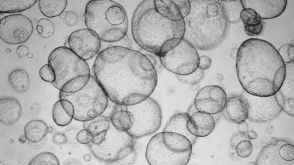 实验方案How to Perform Albumin Detection Assays in Human Hepatic Organoids

 沪公网安备31010102008431号