Castro-Diaz N et al. (JUL 2014)
Genes and Development 28 13 1397--1409
Evolutionally dynamic L1 regulation in embryonic stem cells
Mobile elements are important evolutionary forces that challenge genomic integrity. Long interspersed element-1 (L1,also known as LINE-1) is the only autonomous transposon still active in the human genome. It displays an unusual pattern of evolution,with,at any given time,a single active L1 lineage amplifying to thousands of copies before getting replaced by a new lineage,likely under pressure of host restriction factors,which act notably by silencing L1 expression during early embryogenesis. Here,we demonstrate that in human embryonic stem (hES) cells,KAP1 (KRAB [Kruppel-associated box domain]-associated protein 1),the master cofactor of KRAB-containing zinc finger proteins (KRAB-ZFPs) previously implicated in the restriction of endogenous retroviruses,represses a discrete subset of L1 lineages predicted to have entered the ancestral genome between 26.8 million and 7.6 million years ago. In mice,we documented a similar chronologically conditioned pattern,albeit with a much contracted time scale. We could further identify an L1-binding KRAB-ZFP,suggesting that this rapidly evolving protein family is more globally responsible for L1 recognition. KAP1 knockdown in hES cells induced the expression of KAP1-bound L1 elements,but their younger,human-specific counterparts (L1Hs) were unaffected. Instead,they were stimulated by depleting DNA methyltransferases,consistent with recent evidence demonstrating that the PIWI-piRNA (PIWI-interacting RNA) pathway regulates L1Hs in hES cells. Altogether,these data indicate that the early embryonic control of L1 is an evolutionarily dynamic process and support a model in which newly emerged lineages are first suppressed by DNA methylation-inducing small RNA-based mechanisms before KAP1-recruiting protein repressors are selected.
View Publication
产品类型:
产品号#:
85850
85857
产品名:
mTeSR™1
mTeSR™1
V. O. Boldrini et al. ( 2022)
Frontiers in immunology 13 750660
Cytotoxic B Cells in Relapsing-Remitting Multiple Sclerosis Patients.
BACKGROUND Emerging evidence of antibody-independent functions,as well as the clinical efficacy of anti-CD20 depleting therapies,helped to reassess the contribution of B cells during multiple sclerosis (MS) pathogenesis. OBJECTIVE To investigate whether CD19+ B cells may share expression of the serine-protease granzyme-B (GzmB),resembling classical cytotoxic CD8+ T lymphocytes,in the peripheral blood from relapsing-remitting MS (RRMS) patients. METHODS In this study,104 RRMS patients during different treatments and 58 healthy donors were included. CD8,CD19,Runx3,and GzmB expression was assessed by flow cytometry analyses. RESULTS RRMS patients during fingolimod (FTY) and natalizumab (NTZ) treatment showed increased percentage of circulating CD8+GzmB+ T lymphocytes when compared to healthy volunteers. An increase in circulating CD19+GzmB+ B cells was observed in RRMS patients during FTY and NTZ therapies when compared to glatiramer (GA),untreated RRMS patients,and healthy donors but not when compared to interferon-$\beta$ (IFN). Moreover,regarding Runx3,the transcriptional factor classically associated with cytotoxicity in CD8+ T lymphocytes,the expression of GzmB was significantly higher in CD19+Runx3+-expressing B cells when compared to CD19+Runx3- counterparts in RRMS patients. CONCLUSIONS CD19+ B cells may exhibit cytotoxic behavior resembling CD8+ T lymphocytes in MS patients during different treatments. In the future,monitoring cytotoxic" subsets might become an accessible marker for investigating MS pathophysiology and even for the development of new therapeutic interventions."
View Publication
产品类型:
产品号#:
17963
18000
17963RF
产品名:
EasySep™人B细胞富集试剂盒II(不去除CD43)
EasySep™磁极
RoboSep™ 人B细胞富集试剂盒II(不去除CD43)
Hang L et al. (AUG 2016)
Journal of immunology (Baltimore,Md. : 1950)
Downregulation of the Syk Signaling Pathway in Intestinal Dendritic Cells Is Sufficient To Induce Dendritic Cells That Inhibit Colitis.
Helminthic infections modulate host immunity and may protect people in less-developed countries from developing immunological diseases. In a murine colitis model,the helminth Heligmosomoides polygyrus bakeri prevents colitis via induction of regulatory dendritic cells (DCs). The mechanism driving the development of these regulatory DCs is unexplored. There is decreased expression of the intracellular signaling pathway spleen tyrosine kinase (Syk) in intestinal DCs from H. polygyrus bakeri-infected mice. To explore the importance of this observation,it was shown that intestinal DCs from DC-specific Syk(-/-) mice were powerful inhibitors of murine colitis,suggesting that loss of Syk was sufficient to convert these cells into their regulatory phenotype. DCs sense gut flora and damaged epithelium via expression of C-type lectin receptors,many of which signal through the Syk signaling pathway. It was observed that gut DCs express mRNA encoding for C-type lectin (CLEC) 7A,CLEC9A,CLEC12A,and CLEC4N. H. polygyrus bakeri infection downmodulated CLEC mRNA expression in these cells. Focusing on CLEC7A,which encodes for the dectin-1 receptor,flow analysis showed that H. polygyrus bakeri decreases dectin-1 expression on the intestinal DC subsets that drive Th1/Th17 development. DCs become unresponsive to the dectin-1 agonist curdlan and fail to phosphorylate Syk after agonist stimulation. Soluble worm products can block CLEC7A and Syk mRNA expression in gut DCs from uninfected mice after a brief in vitro exposure. Thus,downmodulation of Syk expression and phosphorylation in intestinal DCs could be important mechanisms through which helminths induce regulatory DCs that limit colitis.
View Publication
产品类型:
产品号#:
15028
15068
产品名:
RosetteSep™ 人单核细胞富集抗体混合物
RosetteSep™人单核细胞富集抗体混合物
Yonkers NL et al. (APR 2007)
Journal of immunology (Baltimore,Md. : 1950) 178 7 4436--44
TLR ligand-dependent activation of naive CD4 T cells by plasmacytoid dendritic cells is impaired in hepatitis C virus infection.
Chronic hepatitis C virus (HCV) infection is characterized by diminished numbers and function of HCV-reactive T cells and impaired responses to immunization. Because host response to viral infection likely involves TLR signaling,we examined whether chronic HCV infection impairs APC response to TLR ligand and contributes to the origin of dysfunctional T cells. Freshly purified myeloid dendritic cells (MDC) and plasmacytoid DC (PDC) obtained from subjects with chronic HCV infection and healthy controls were exposed to TLR ligands (poly(I:C),R-848,or CpG),in the presence or absence of cytokine (TNF-alpha or IL-3),and examined for indices of maturation and for their ability to activate allogeneic naive CD4 T cells to proliferate and secrete IFN-gamma. TLR ligand was observed to enhance both MDC and PDC activation of naive CD4 T cells. Although there was increased CD83 and CD86 expression on MDC from HCV-infected persons,the ability of MDC to activate naive CD4 T cells in the presence or absence of poly(I:C) or TNF-alpha did not differ between HCV-infected and healthy control subjects. In contrast,PDC from HCV-infected persons had reduced activation marker (HLA-DR) and cytokine (IFN-alpha) expression upon R-848 stimulation,and these were associated with impaired activation of naive CD4 T cells. These data indicate that an impaired PDC responsiveness to TLR ligation may play an important role in the fundamental and unexplained failure to induce new T cell responses to HCV Ags and to other new Ags as a consequence of HCV infection.
View Publication
产品类型:
产品号#:
15022
15062
产品名:
RosetteSep™人CD4+ T细胞富集抗体混合物
RosetteSep™人CD4+ T细胞富集抗体混合物
Zhu TS et al. (SEP 2011)
Cancer research 71 18 6061--72
Endothelial cells create a stem cell niche in glioblastoma by providing NOTCH ligands that nurture self-renewal of cancer stem-like cells.
One important function of endothelial cells in glioblastoma multiforme (GBM) is to create a niche that helps promote self-renewal of cancer stem-like cells (CSLC). However,the underlying molecular mechanism for this endothelial function is not known. Since activation of NOTCH signaling has been found to be required for propagation of GBM CSLCs,we hypothesized that the GBM endothelium may provide the source of NOTCH ligands. Here,we report a corroboration of this concept with a demonstration that NOTCH ligands are expressed in endothelial cells adjacent to NESTIN and NOTCH receptor-positive cancer cells in primary GBMs. Coculturing human brain microvascular endothelial cells (hBMEC) or NOTCH ligand with GBM neurospheres promoted GBM cell growth and increased CSLC self-renewal. Notably,RNAi-mediated knockdown of NOTCH ligands in hBMECs abrogated their ability to induce CSLC self-renewal and GBM tumor growth,both in vitro and in vivo. Thus,our findings establish that NOTCH activation in GBM CSLCs is driven by juxtacrine signaling between tumor cells and their surrounding endothelial cells in the tumor microenvironment,suggesting that targeting both CSLCs and their niche may provide a novel strategy to deplete CSLCs and improve GBM treatment.
View Publication
产品类型:
产品号#:
05750
05751
05752
产品名:
NeuroCult™ NS-A 基础培养基(人)
NeuroCult™ NS-A 扩增试剂盒(人)
NeuroCult™ NS-A 分化试剂盒 (人)
G. Sette et al. (JUL 2018)
International journal of cancer 143 1 88--99
Conditionally reprogrammed cells (CRC) methodology does not allow the in vitro expansion of patient-derived primary and metastatic lung cancer cells.
Availability of tumor and non-tumor patient-derived models would promote the development of more effective therapeutics for non-small cell lung cancer (NSCLC). Recently,conditionally reprogrammed cells (CRC) methodology demonstrated exceptional potential for the expansion of epithelial cells from patient tissues. However,the possibility to expand patient-derived lung cancer cells using CRC protocols is controversial. Here,we used CRC approach to expand cells from non-tumoral and tumor biopsies of patients with primary or metastatic NSCLC as well as pulmonary metastases of colorectal or breast cancers. CRC cultures were obtained from both tumor and non-malignant tissues with extraordinary high efficiency. Tumor cells were tracked in vitro through tumorigenicity assay,monitoring of tumor-specific genetic alterations and marker expression. Cultures were composed of EpCAM+ lung epithelial cells lacking tumorigenic potential. NSCLC biopsies-derived cultures rapidly lost patient-specific genetic mutations or tumor antigens. Similarly,pulmonary metastases of colon or breast cancer generated CRC cultures of lung epithelial cells. All CRC cultures examined displayed epithelial lung stem cell phenotype and function. In contrast,brain metastatic lung cancer biopsies failed to generate CRC cultures. In conclusion,patient-derived primary and metastatic lung cancer cells were negatively selected under CRC conditions,limiting the expansion to non-malignant lung epithelial stem cells from either tumor or non-tumor tissue sources. Thus,CRC approach cannot be applied for direct therapeutic testing of patient lung tumor cells,as the tumor-derived CRC cultures are composed of (non-tumoral) airway basal cells.
View Publication
产品类型:
产品号#:
05001
05021
05022
05008
产品名:
PneumaCult™-ALI 培养基
PneumaCult™-ALI 培养基含12 mm Transwell®插件
PneumaCult™-ALI 培养基含6.5 mm Transwell®插件
PneumaCult™交货中
Zhao W et al. (APR 2013)
Cancer cell 23 4 541--56
1B50-1, a mAb raised against recurrent tumor cells, targets liver tumor-initiating cells by binding to the calcium channel α2δ1 subunit.
The identification and targeted therapy of cells involved in hepatocellular carcinoma (HCC) recurrence remain challenging. Here,we generated a monoclonal antibody against recurrent HCC,1B50-1,that bound the isoform 5 of the α2δ1 subunit of voltage-gated calcium channels and identified a subset of tumor-initiating cells (TICs) with stem cell-like properties. A surgical margin with cells detected by 1B50-1 predicted rapid recurrence. Furthermore,1B50-1 had a therapeutic effect on HCC engraftments by eliminating TICs. Finally,α2δ1 knockdown reduced self-renewal and tumor formation capacities and induced apoptosis of TICs,whereas its overexpression led to enhanced sphere formation,which is regulated by calcium influx. Thus,α2δ1 is a functional liver TIC marker,and its inhibitors may serve as potential anti-HCC drugs.
View Publication
产品类型:
产品号#:
01700
01705
01702
产品名:
ALDEFLUOR™ 试剂盒
ALDEFLUOR™ DEAB试剂
ALDEFLUOR™测定缓冲液
Guilliams M et al. (MAR 2010)
Blood 115 10 1958--68
Skin-draining lymph nodes contain dermis-derived CD103(-) dendritic cells that constitutively produce retinoic acid and induce Foxp3(+) regulatory T cells.
Small intestinal CD103(+) dendritic cells (DCs) have the selective ability to promote de novo generation of regulatory T cells via the production of retinoic acid (RA). Considering that aldehyde dehydrogenase (ALDH) activity controls the production of RA,we used a flow cytometry-based assay to measure ALDH activity at the single-cell level and to perform a comprehensive analysis of the RA-producing DC populations present in lymphoid and nonlymphoid mouse tissues. RA-producing DCs were primarily of the tissue-derived,migratory DC subtype and can be readily found in the skin and in the lungs as well as in their corresponding draining lymph nodes. The RA-producing skin-derived DCs were capable of triggering the generation of regulatory T cells,a finding demonstrating that the presence of RA-producing,tolerogenic DCs is not restricted to the intestinal tract as previously thought. Unexpectedly,the production of RA by skin DCs was restricted to CD103(-) DCs,indicating that CD103 expression does not constitute a universal" marker for RA-producing mouse DCs. Finally�
View Publication
产品类型:
产品号#:
01700
01705
01702
产品名:
ALDEFLUOR™ 试剂盒
ALDEFLUOR™ DEAB试剂
ALDEFLUOR™测定缓冲液
Diederichs S and Tuan RS (JUL 2014)
Stem cells and development 23 14 1--53
Functional comparison of human-induced pluripotent stem cell-derived mesenchymal cells and bone marrow-derived mesenchymal stromal cells from the same donor.
Mesenchymal stem cells (MSCs) have a high potential for therapeutic efficacy in treating diverse musculoskeletal injuries and cardiovascular diseases,and for ameliorating the severity of graft-versus-host and autoimmune diseases. While most of these clinical applications require substantial cell quantities,the number of MSCs that can be obtained initially from a single donor is limited. Reports on the derivation of MSC-like cells from pluripotent stem cells (PSCs) are,thus,of interest,as the infinite proliferative capacity of PSCs opens the possibility to generate large amounts of uniform batches of MSCs. However,characterization of such MSC-like cells is currently inadequate,especially with regard to the question of whether these cells are equivalent or identical to MSCs. In this study,we have derived MSC-like cells [induced PSC-derived MSC-like progenitor cells (iMPCs)] using four different methodologies from a newly established induced PSC line reprogrammed from human bone marrow stromal cells (BMSCs),and compared the iMPCs directly with the originating parental BMSCs. The iMPCs exhibited typical MSC/fibroblastic morphology and MSC-typical surface marker profile,and they were capable of differentiation in vitro along the osteogenic,chondrogenic,and adipogenic lineages. However,compared with the parental BMSCs,iMPCs displayed a unique expression pattern of mesenchymal and pluripotency genes and were less responsive to traditional BMSC differentiation protocols. We,therefore,conclude that iMPCs generated from PSCs via spontaneous differentiation represent a distinct population of cells which exhibit MSC-like characteristics.
View Publication
产品类型:
产品号#:
07903
07923
85850
85857
产品名:
0.1% 明胶水溶液
Dispase (1 U/mL)
mTeSR™1
mTeSR™1
Y. Tian et al. (oct 2022)
Redox biology 56 102454
Exosomal B7-H4 from irradiated glioblastoma cells contributes to increase FoxP3 expression of differentiating Th1 cells and promotes tumor growth.
BACKGROUND Glioblastoma (GBM) is the most common and aggressive form of primary brain tumor. Although numerous postoperative therapeutic strategies have already been developed,including radiotherapy,tumors inevitably recur after several years of treatment. The coinhibitory molecule B7-H4 negatively regulates T cell immune responses and promotes immune escape. Exosomes mediate intercellular communication and initiate immune evasion in the tumor microenvironment (TME). OBJECTIVE This study aimed to determine whether B7-H4 is upregulated by radiation and loaded into exosomes,thus contributing to immunosuppression and enhancing tumor growth. METHODS Iodixanol density-gradient centrifugation and flow cytometry were used to verify exosomal B7-H4. Na{\{i}}ve T cells were differentiated into Th1 cells with or without exosomes. T cell-secreted cytokines and markers of T cell subsets were measured. Mechanistically the roles of B7-H4 and ALIX in GBM were analyzed using databases and tissue samples. Co-immunoprecipitation and pull-down assays were used to tested the direct interactions between ATM and ALIX or STAT3. In vitro ATM kinase assays western blotting and site-directed mutation were used to assess ATM-mediated STAT3 phosphorylation. Finally the contribution of exosomal B7-H4 to immunosuppression and tumor growth was investigated in vivo. RESULTS Exosomes from irradiated GBM cells decreased the anti-tumor immune response of T cell in vitro and in vivo via delivered B7-H4. Mechanistically irradiation promoted exosome biogenesis by increasing the ATM-ALIX interaction. Furthermore the ATM-phosphorylated STAT3 was found to directly binds to the B7-H4 promoter to increase its expression. Finally the radiation-induced increase in exosomal B7-H4 induced FoxP3 expression during Th1 cell differentiation via the activated STAT1 pathway. In vivo exosomal B7-H4 decreased the radiation sensitivity of GBM cells and reduced the survival of GBM mice model. CONCLUSION This study showed that radiation-enhanced exosomal B7-H4 promoted immunosuppression and tumor growth hence defining a direct link between irradiation and anti-tumor immune responses. Our results suggest that co-administration of radiotherapy with anti-B7-H4 therapy could improve local tumor control and identify exosomal B7-H4 as a potential tumor biomarker."
View Publication
产品类型:
产品号#:
19555
19555RF
产品名:
EasySep™人Naïve CD4+ T细胞分选试剂盒
RoboSep™ 人Naïve CD4+ T细胞分选试剂盒
M. D. P. De la Rosa-Ruiz et al. (nov 2019)
Cells 8 12
Mesenchymal Stem/Stromal Cells Derived from Dental Tissues: A Comparative In Vitro Evaluation of Their Immunoregulatory Properties Against T cells.
Bone marrow mesenchymal stem/stromal cells (BM-MSCs) have immunoregulatory properties and have been used as immune regulators for the treatment of graft-versus-host disease (GVHD). Human dental tissue mesenchymal stem cells (DT-MSCs) constitute an attractive alternative to BM-MSCs for potential clinical applications because of their accessibility and easy preparation. The aim of this in vitro study was to compare MSCs from dental pulp (DP-MSCs),gingival tissue (G-MSCs),and periodontal ligament (PDL-MSCs) in terms of their immunosuppressive properties against lymphoid cell populations enriched for CD3+ T cells to determine which MSCs would be the most appropriate for in vivo immunoregulatory applications. BM-MSCs were included as the gold standard. Our results demonstrated,in vitro,that MSCs from DP,G,and PDL showed immunoregulatory properties similar to those from BM,in terms of the cellular proliferation inhibition of both CD4+- and CD8+-activated T-cells. This reduced proliferation in cell co-cultures correlated with the production of interferon-$\gamma$ and tumor necrosis factor alpha (TNF-$\alpha$) and the upregulation of programmed death ligand 1 (PD-L1) in MSCs and cytotoxic T-cell-associated Ag-4 (CTLA-4) in T-cells and increased interleukin-10 and prostaglandin E2 production. Interestingly,we observed differences in the production of cytokines and surface and secreted molecules that may participate in T-cell immunosuppression in co-cultures in the presence of DT-MSCs compared with BM-MSCs. Importantly,MSCs from four sources favored the generation of T-cell subsets displaying the regulatory phenotypes CD4+CD25+Foxp3+ and CD4+CD25+CTLA-4+. Our results in vitro indicate that,in addition to BM-MSCs,MSCs from all of the dental sources analyzed in this study might be candidates for future therapeutic applications.
View Publication


 EasySep™小鼠TIL(CD45)正选试剂盒




 47:18
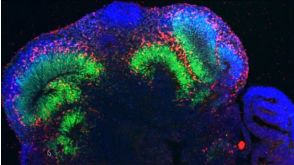
线上讲座Madeline Lancaster on Brain Organoids: Modeling Human Brain Development in a Dish发布日期: 09/20/2017
47:18
线上讲座Madeline Lancaster on Brain Organoids: Modeling Human Brain Development in a Dish发布日期: 09/20/2017
 沪公网安备31010102008431号