Bragina O et al. ( 2010)
Neuroscience letters 482 2 81--85
Smoothened agonist augments proliferation and survival of neural cells.
Sonic hedgehog signaling pathway is important in developmental processes like dorsoventral neural tube patterning,neural stem cell proliferation and neuronal and glial cell survival. Shh is also implicated in the regulation of the adult hippocampal neurogenesis. Recently,nonpeptidyl Smoothened activators of the Shh pathway have been identified. The aim of this study was to investigate the effects of chlorobenzothiophene-containing molecule,Smo agonist (SAG),which has been shown to activate Shh signaling pathway,in neurogenesis and neuronal survival in in vitro and in vivo models. Our in vitro experiments showed that SAG induces increased expression of Gli1 mRNA,transcriptional target and mediator of Shh signal. In vitro experiments also demonstrated that SAG in low-nanomolar concentrations induces proliferation of neuronal and glial precursors without affecting the differentiation pattern of newly produced cells. In contrast to Shh,SAG did not induce neurotoxicity in neuronal cultures. The SAG and Shh treatment also promoted the survival of newly generated neural cells in the dentate gyrus after their intracerebroventricular administration to adult rats. We propose that SAG and similar compounds represent attractive molecules to be developed for treatment of disorders where stimulation of the generation and survival of new neural cells would be beneficial.
View Publication
产品类型:
产品号#:
73412
73414
产品名:
SAG
SAG
Aanei CM et al. (NOV 2011)
Experimental cell research 317 18 2616--29
Focal adhesion protein abnormalities in myelodysplastic mesenchymal stromal cells.
Direct cell-cell contact between haematopoietic progenitor cells (HPCs) and their cellular microenvironment is essential to maintain 'stemness'. In cancer biology,focal adhesion (FA) proteins are involved in survival signal transduction in a wide variety of human tumours. To define the role of FA proteins in the haematopoietic microenvironment of myelodysplastic syndromes (MDS),CD73-positive mesenchymal stromal cells (MSCs) were immunostained for paxillin,pFAK [Y(397)],and HSP90α/β and p130CAS,and analysed for reactivity,intensity and cellular localisation. Immunofluorescence microscopy allowed us to identify qualitative and quantitative differences,and subcellular localisation analysis revealed that in pathological MSCs,paxillin,pFAK [Y(397)],and HSP90α/β formed nuclear molecular complexes. Increased expression of paxillin,pFAK [Y(397)],and HSP90α/β and enhanced nuclear co-localisation of these proteins correlated with a consistent proliferative advantage in MSCs from patients with refractory anaemia with excess blasts (RAEB) and negatively impacted clonogenicity of HPCs. These results suggest that signalling via FA proteins could be implicated in HPC-MSC interactions. Further,because FAK is an HSP90α/β client protein,these results suggest the utility of HSP90α/β inhibition as a target for adjuvant therapy for myelodysplasia.
View Publication
产品类型:
产品号#:
05401
05402
05411
05426
产品名:
MesenCult™ MSC基础培养基 (人)
MesenCult™ MSC 刺激补充剂(人)
MesenCult™ 增殖试剂盒(人)
无动物成分的细胞解离试剂盒
Richard V et al. (SEP 2013)
Cancer letters 338 2 300--316
Multiple drug resistant, tumorigenic stem-like cells in oral cancer.
An in vitro cell line model was established to exemplify tumor stem cell concept in oral cancer. We were able to identify CD147 expressing fractions in SCC172 OSCC cell line with differing Hoechst dye efflux activity and DNA content. In vivo tumorigenic assay revealed three fractions enriched with stem-like cells capable of undergoing mesenchymal transition and a non-tumorigenic fraction. The regeneration potential and transition of one fraction to other imitated the phenotypic switch and functional disparities evidenced during oral tumor progression. Knowledge of these additional stem-like subsets will improve understanding of stem cell based oral epithelial tumor progression from normal to malignant lesions.
View Publication
MiR-216a-3p inhibits the cytotoxicity of primary natural killer cells
IntroductionThe role of miRNAs in regulating variable molecular functions has been sought by scientists for its promising utility in regulating the immune response and,hence,in treating various diseases. In hepatocellular carcinoma (HCC) specifically,a reduction in the number and efficiency of circulating and intrahepatic natural killer (NK) cells has been reported. Our project aims to investigate the role of miR-216a-3p in the regulation of NK cell cytotoxicity,especially since it plays a tumor suppressor role in the context of HCC.MethodsTo achieve our aim,we isolated NK cells from the whole blood of 86 patients with HCC and 23 healthy controls. We assessed the expression profile of miR-216a-3p in NK cells of patients and controls. Furthermore,we induced the expression of miR-216a-3p in NK cells isolated from healthy controls,followed by measuring the release of interferon-gamma (IFN-γ),tumor necrosis factor-alpha (TNF-α),perforins (PRF) and granzyme B (GrB) using ELISA as well as NK cells cytolytic activity against Huh7 cells using lactate dehydrogenase (LDH) cytotoxicity assay. After that,we performed an in silico analysis to understand the mechanistic regulation imposed by miR-216a-3p on NK cells to study its impact on one of its potential downstream targets.ResultsOur results have indicated that miR-216a-3p has higher expression in NK cells of patients with HCC,and simulating this elevated expression pattern via forcing miR-216a-3p expression in normal NK cells has negatively impacted the release of TNF- α,IFN- γ,GrB,and PRF. Consequently,a decrease in cell cytolysis was observed. Our in silico analysis revealed that the predicted downstream targets of miR-216a-3p are enriched in the FOXO-signaling pathway. Among those targets is FOXO-1,which has been reported to play a role in NK cell maturation. Thus,we evaluated FOXO-1 expression upon mimicking miR-216a-3p in control NK cells that showed significant downregulation of FOXO-1 on both RNA and protein levels.ConclusionIn conclusion,we report miR-216-3p as a negative regulator of NK cell cytotoxicity.
View Publication
产品类型:
产品号#:
18000
17955
17955RF
100-0960
产品名:
EasySep™磁极
EasySep™人NK细胞分选试剂盒
RoboSep™ 人NK细胞分选试剂盒
EasySep™人NK细胞分离试剂盒
K. Kamal et al. (Oct 2025)
European Journal of Immunology 55 10
Induction of Tolerogenic Dendritic Cells by a Noncoding Oligonucleotide
Tolerogenic dendritic cells (tolDCs) that dampen T cell responses can be induced from blood monocytes in vitro using factors such as Vitamin D3 (VitD),dexamethasone,IL‐10,or rapamycin. However,challenges remain in obtaining robust and efficient generation of cell therapy‐based tolDCs without compromising their viability. We recently reported that CCR2‐dependent recruitment of monocytic cells,with the capacity to dampen T‐helper responses,occurs in mice treated with a single‐stranded oligonucleotide (ssON). Here,we investigated the effects of this immunomodulatory noncoding ssON on differentiating human monocytes towards DC in the presence of IL‐4 and GM‐CSF (moDC). The moDC differentiated in the presence of ssON upregulated CD1a but also increased their expression of PD‐L1. The differentiation of monocytes to moDC in the presence of ssON introduced transcriptomic changes,many of which overlapped with VitD‐moDC and resulted in moDCs with altered lipopolysaccharide (LPS)‐responsiveness. Moreover,ssON‐moDC exhibited a low capacity to stimulate alloreactive T cells in vitro and instead promoted the induction of CD4+FoxP3+CD25+ T cells. Experiments using chemical reagents support a role for PPAR‐γ in the generation of ssON‐moDC. Collectively,our data show that monocytes differentiated with IL‐4,GM‐CSF,and ssON generate cells with phenotypic and functional characteristics of tolDCs. In this article,the authors elucidated the immunoregulatory role of an oligonucleotide (ssON) that favors the induction of human tolerogenic dendritic cells (DC). The tolerogenic profile was evidenced by reduced responsiveness to lipopolysaccharides (LPS) (A). Importantly,the tolerogenic DCs had upregulated PD‐L1 molecules and functionally inhibited the proliferation of alloreactive T cells and induced FoxP3+ Tregs (B). This study envisions the development of ssON as therapeutic for rebalancing overactive T‐helper cell responses.
View Publication
产品类型:
产品号#:
100-0695
17951
17951RF
产品名:
EasySep™人T细胞分选试剂盒
EasySep™人T细胞分选试剂盒
RoboSep™ 人T细胞分选试剂盒
Mielke LA et al. (JUN 2013)
The Journal of experimental medicine 210 6 1117--24
Retinoic acid expression associates with enhanced IL-22 production by γδ T cells and innate lymphoid cells and attenuation of intestinal inflammation.
Retinoic acid (RA),a vitamin A metabolite,modulates mucosal T helper cell responses. Here we examined the role of RA in regulating IL-22 production by γδ T cells and innate lymphoid cells in intestinal inflammation. RA significantly enhanced IL-22 production by γδ T cells stimulated in vitro with IL-1β or IL-18 and IL-23. In vivo RA attenuated colon inflammation induced by dextran sodium sulfate treatment or Citrobacter rodentium infection. This was associated with a significant increase in IL-22 secretion by γδ T cells and innate lymphoid cells. In addition,RA treatment enhanced production of the IL-22-responsive antimicrobial peptides Reg3β and Reg3γ in the colon. The attenuating effects of RA on colitis were reversed by treatment with an anti-IL-22 neutralizing antibody,demonstrating that RA mediates protection by enhancing IL-22 production. To define the molecular events involved,we used chromatin immunoprecipitation assays and found that RA promoted binding of RA receptor to the IL-22 promoter in γδ T cells. Our findings provide novel insights into the molecular events controlling IL-22 transcription and suggest that one key outcome of RA signaling may be to shape early intestinal immune responses by promoting IL-22 synthesis by γδ T cells and innate lymphoid cells.
View Publication
产品类型:
产品号#:
01700
01705
01702
产品名:
ALDEFLUOR™ 试剂盒
ALDEFLUOR™ DEAB试剂
ALDEFLUOR™测定缓冲液
Dhillon J et al. (NOV 2010)
Oncogene 29 47 6294--300
The expression of activated Y-box binding protein-1 serine 102 mediates trastuzumab resistance in breast cancer cells by increasing CD44+ cells.
The development of acquired resistance to trastuzumab remains a prevalent challenge in the treatment of patients whose tumors express human epidermal growth factor 2 (HER2). We previously reported that HER2 overexpressing breast cancers are dependent on Y-box binding protein-1 (YB-1) for growth and survival. As YB-1 is also linked to drug resistance in other types of cancer,we address its possible role in trastuzumab insensitivity. Employing an in vivo model of acquired resistance,we demonstrate that resistant cell lines have elevated levels of P-YB-1(S102) and its activating kinase P-RSK and these levels are sustained following trastuzumab treatment. Further,to demonstrate the importance of YB-1 in mediating drug resistance,the expression of the active mutant YB-1(S102D) rendered the BT474 cell line insensitive to trastuzumab. Questioning the role of tumor-initiating cells (TIC) and their ability to escape cancer therapies,we investigate YB-1's role in inducing the cancer stem cell marker CD44. Notably,the resistant cells express more CD44 mRNA and protein compared with BT474 cells,which correlated with increased mammosphere formation. Expression of YB-1(S102D) in the BT474 cells increase CD44 protein levels,resulting in enhanced mammosphere formation. Further,exposing BT474 cells to trastuzumab selected for a resistant sub-population enriched for CD44. Conversely,small intefering RNA inhibition of CD44 restored trastuzumab sensitivity in the resistant cell lines. Our findings provide insight on a novel mechanism employed by tumor cells to acquire the ability to escape the effects of trastuzumab and suggest that targeting YB-1 may overcome resistance by eliminating the unresponsive TIC population,rendering the cancer sensitive to therapy.
View Publication
产品类型:
产品号#:
72714
产品名:
BI-D1870
E. Giuliani et al. (mar 2019)
Scientific reports 9 1 4373
Hexamethylene bisacetamide impairs NK cell-mediated clearance of acute T lymphoblastic leukemia cells and HIV-1-infected T cells that exit viral latency.
The hexamethylene bisacetamide (HMBA) anticancer drug was dismissed due to limited efficacy in leukemic patients but it may re-enter into the clinics in HIV-1 eradication strategies because of its recently disclosed capacity to reactivate latent virus. Here,we investigated the impact of HMBA on the cytotoxicity of natural killer (NK) cells against acute T lymphoblastic leukemia (T-ALL) cells or HIV-1-infected T cells that exit from latency. We show that in T-ALL cells HMBA upmodulated MICB and ULBP2 ligands for the NKG2D activating receptor. In a primary CD4+ T cell-based latency model,HMBA did not reactivate HIV-1,yet enhanced ULBP2 expression on cells harboring virus reactivated by prostratin (PRO). However,HMBA reduced the expression of NKG2D and its DAP10 adaptor in NK cells,hence impairing NKG2D-mediated cytotoxicity and DAP10-dependent response to IL-15 stimulation. Alongside,HMBA dampened killing of T-ALL targets by IL-15-activated NK cells and impaired NK cell-mediated clearance of PRO-reactivated HIV-1+ cells. Overall,our results demonstrate a dominant detrimental effect of HMBA on the NKG2D pathway that crucially controls NK cell-mediated killing of tumors and virus-infected cells,providing one possible explanation for poor clinical outcome in HMBA-treated cancer patients and raising concerns for future therapeutic application of this drug.
View Publication
产品类型:
产品号#:
19052
19052RF
产品名:
EasySep™人CD4+ T细胞富集试剂盒
RoboSep™ 人CD4+ T细胞富集试剂盒含滤芯吸头
Y. Wu et al. (mar 2020)
Cells 9 3
FAK Deficiency in Bone Marrow Stromal Cells Alters Their Homeostasis and Drives Abnormal Proliferation and Differentiation of Haematopoietic Stem Cells.
Emerging evidence indicates that in myelodysplastic syndromes (MDS),the bone marrow (BM) microenvironment may also contribute to the ineffective,malignant haematopoiesis in addition to the intrinsic abnormalities of haematopoietic stem precursor cells (HSPCs). The BM microenvironment influences malignant haematopoiesis through indirect mechanisms,but the processes by which the BM microenvironment directly contributes to MDS initiation and progression have not yet been elucidated. Our previous data showed that BM-derived stromal cells (BMSCs) from MDS patients have an abnormal expression of focal adhesion kinase (FAK). In this study,we characterise the morpho-phenotypic features and the functional alterations of BMSCs from MDS patients and in FAK knock-downed HS-5 cells. The decreased expression of FAK or its phosphorylated form in BMSCs from low-risk (LR) MDS directly correlates with BMSCs' functional deficiency and is associated with a reduced level of haemoglobin. The downregulation of FAK in HS-5 cells alters their morphology,proliferation,and differentiation capabilities and impairs the expression of several adhesion molecules. In addition,we examine the CD34+ healthy donor (HD)-derived HSPCs' properties when co-cultured with FAK-deficient BMSCs. Both abnormal proliferation and the impaired erythroid differentiation capacity of HD-HSPCs were observed. Together,these results demonstrate that stromal adhesion mechanisms mediated by FAK are crucial for regulating HSPCs' homeostasis.
View Publication
产品类型:
产品号#:
05401
产品名:
MesenCult™ MSC基础培养基 (人)
Bertolini F et al. (OCT 1996)
Bone marrow transplantation 18 4 783--6
A new method for placental/cord blood processing in the collection bag. I. Analysis of factors involved in red blood cell removal.
We describe a new procedure for large-scale CB processing in the collection bag,thus minimizing the risk of CB contamination. A solution of 6% hydroxyethyl starch (HES) was added directly to the CB containing bag. After RBC sedimentation at 4 degrees C,the WBC-rich supernatant was collected in a satellite bag and centrifuged. After supernatant removal,the cell pellet was resuspended and the percent recovery of total WBC,CD34+ progenitor cells,CFU-GM and cobblestone area-forming cells (CAFC) evaluated. Results obtained with three different types of CB collection bags (300,600 and 1000 ml) were analyzed and compared with those of an open system in 50 ml tubes. CB processing procedures in 300 and 1000 ml bags were associated with better WBC,CFU,CD34+ cell and CAFC recovery (83-93%). This novel CB processing procedure appears to be easy,effective and particularly suitable for large-scale banking under GMP conditions.
View Publication
产品类型:
产品号#:
05150
产品名:
MyeloCult™H5100
A. G. L. D. Rorà et al. (Nov 2024)
Journal of Translational Medicine 22
Exploring the role of PARP1 inhibition in enhancing antibody–drug conjugate therapy for acute leukemias: insights from DNA damage response pathway interactions
The introduction of antibody–drug conjugates represents a significant advancement in targeted therapy of acute myeloid leukemia (AML) and acute lymphoblastic leukemia (ALL). Our study aims to investigate the role of the DNA damage response pathway and the impact of PARP1 inhibition,utilizing talazoparib,on the response of AML and ALL cells to Gemtuzumab ozogamicin (GO) and Inotuzumab ozogamicin (INO),respectively. AML and ALL cells were treated with GO,INO and γ-calicheamicin in order to induce severe DNA damage and activate the G2/M cell-cycle checkpoint in a dose- and time-dependent manner. The efficacy of PARP1 inhibitors and,in particular,talazoparib in enhancing INO or GO against ALL or AML cells was assessed through measurements of cell viability,cell death,cell cycle progression,DNA damage repair,accumulation of mitotic DNA damage and inhibition of clonogenic capacity. We observed that both ALL and AML cell lines activate the G2/M cell-cycle checkpoint in response to γ-calicheamicin-induced DNA damage,highlighting a shared cellular response mechanism. Talazoparib significantly enhanced the efficacy of INO against ALL cell lines,resulting in reduced cell viability,increased cell death,G2/M cell-cycle checkpoint override,accumulation of mitotic DNA damage and inhibition of clonogenic capacity. Strong synergism was observed in primary ALL cells treated with the combination. In contrast,AML cells exhibited a heterogeneous response to talazoparib in combination with GO. Our findings suggest a potential link between the differential responses of ALL and AML cells to the drug combinations and the ability of talazoparibto override G2/M cell-cycle arrest induced by antibody–drug conjugates. PARP1 emerges as a key player in the response of ALL cells to INO and represents a promising target for therapeutic intervention in this leukemia setting. Our study sheds light on the intricate interplay between the DNA damage response pathway,PARP1 inhibition,and response of γ-calicheamicin-induced DNA damages in AML and ALL. These findings underscore the importance of targeted therapeutic strategies and pave the way for future research aimed at optimizing leukemia treatment approaches. The online version contains supplementary material available at 10.1186/s12967-024-05838-9.
View Publication


 EasySep™小鼠TIL(CD45)正选试剂盒




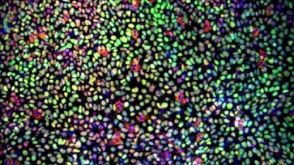 实验方案Maintenance of Porcine Pluripotent Stem Cells (pPSCs) Using eTeSR™
 沪公网安备31010102008431号