Kikuchi C et al. (JAN 2015)
Cell Transplantation 24 12 2491--2504
Comparison of cardiomyocyte differentiation potential between type 1 diabetic donor- and nondiabetic donor-derived induced pluripotent stem cells
Type 1 diabetes mellitus (T1DM) is the most common type of diabetes in children and adolescents. Diabetic subjects are more likely to experience a myocardial infarction compared to nondiabetic subjects. In recent years,induced pluripotent stem cells (iPSCs) have received increasing attention from basic scientists and clinicians and hold promise for myocardial regeneration due to their unlimited proliferation potential and differentiation capacity. However,cardiomyogenesis of type 1 diabetic donor-derived iPSCs (T1DM-iPSCs) has not been investigated yet. The aim of the study was to comparatively analyze cardiomyocyte (CM) differentiation capacity of nondiabetic donor-derived iPSCs (N-iPSCs) and T1DM-iPSCs. The differentiated CMs were confirmed by both expression of cardiac-specific markers and presence of cardiac action potential. Since mitochondrial bioenergetics is vital to every aspect of CM function,extracellular acidification rates and oxygen consumption rates were measured using Seahorse extracellular flux analyzer. The results showed that N-iPSCs and T1DMiPSCs demonstrated similar capacity of differentiation into spontaneously contracting CMs exhibiting nodal-,atrial-,or ventricular-like action potentials. Differentiation efficiency was up to 90%. In addition,the CMs differentiated from N-iPSCs and T1DM-iPSCs (N-iPSC-CMs and T1DM-iPSC-CMs,respectively) showed 1) well-regulated glucose utilization at the level of glycolysis and mitochondrial oxidative phosphorylation and 2) the ability to switch metabolic pathways independent of extracellular glucose concentration. Collectively,we demonstrate for the first time that T1DM-iPSCs can differentiate into functional CMs with well-regulated glucose utilization as shown in N-iPSCs,suggesting that T1DM-iPSC-CMs might be a promising autologous cell source for myocardial regeneration in type 1 diabetes patients.
View Publication
产品类型:
产品号#:
85850
85857
产品名:
mTeSR™1
mTeSR™1
Puissant A et al. (FEB 2010)
Cancer research 70 3 1042--52
Resveratrol promotes autophagic cell death in chronic myelogenous leukemia cells via JNK-mediated p62/SQSTM1 expression and AMPK activation.
Autophagy that is induced by starvation or cellular stress can enable cancer cell survival by sustaining energy homeostasis and eliminating damaged organelles and proteins. In response to stress,cancer cells have been reported to accumulate the protein p62/SQSTM1 (p62),but its role in the regulation of autophagy is controversial. Here,we report that the plant phytoalexin resveratrol (RSV) triggers autophagy in imatinib-sensitive and imatinib-resistant chronic myelogenous leukemia (CML) cells via JNK-dependent accumulation of p62. JNK inhibition or p62 knockdown prevented RSV-mediated autophagy and antileukemic effects. RSV also stimulated AMPK,thereby inhibiting the mTOR pathway. AMPK knockdown or mTOR overexpression impaired RSV-induced autophagy but not JNK activation. Lastly,p62 expression and autophagy in CD34+ progenitors from patients with CML was induced by RSV,and disrupting autophagy protected CD34+ CML cells from RSV-mediated cell death. We concluded that RSV triggered autophagic cell death in CML cells via both JNK-mediated p62 overexpression and AMPK activation. Our findings show that the JNK and AMPK pathways can cooperate to eliminate CML cells via autophagy.
View Publication
产品类型:
产品号#:
09600
09650
产品名:
StemSpan™ SFEM
StemSpan™ SFEM
Pasha Z et al. (JAN 2011)
PloS one 6 8 e23667
Efficient non-viral reprogramming of myoblasts to stemness with a single small molecule to generate cardiac progenitor cells.
UNLABELLED The current protocols for generation of induced pluripotent stem (iPS) cells involve genome integrating viral vectors which may induce tumorgenesis. The aim of this study was to develop and optimize a non-viral method without genetic manipulation for reprogramming of skeletal myoblasts (SMs) using small molecules. METHODS AND RESULTS SMs from young male Oct3/4-GFP(+) transgenic mouse were treated with DNA methyltransferase (DNMT) inhibitor,RG108. Two weeks later,GFP(+) colonies of SM derived iPS cells (SiPS) expressing GFP and with morphological similarity of mouse embryonic stem (ESCs) were formed and propagated in vitro. SiPS were positive for alkaline phosphatase activity,expressed SSEA1,displayed ES cell specific pluripotency markers and formed teratoma in nude mice. Optimization of culture conditions for embryoid body (EBs) formation yielded spontaneously contracting EBs having morphological,molecular,and ultra-structural similarities with cardiomyocytes and expressed early and late cardiac markers. miR profiling showed abrogation of let-7 family and upregulation of ESCs specific miR-290-295 cluster thus indicating that SiPS were similar to ESCs in miR profile. Four weeks after transplantation into the immunocompetent mice model of acute myocardial infarction (n = 12 per group),extensive myogenesis was observed in SiPS transplanted hearts as compared to DMEM controls (n = 6 per group). A significant reduction in fibrosis and improvement in global heart function in the hearts transplanted with SiPS derived cardiac progenitor cells were observed. CONCLUSIONS Reprogramming of SMs by DNMT inhibitor is a simple,reproducible and efficient technique more likely to generate transgene integration-free iPS cells. Cardiac progenitors derived from iPS cells propagated extensively in the infarcted myocardium without tumorgenesis and improved cardiac function.
View Publication
产品类型:
产品号#:
72212
产品名:
RG108
Pasquier J et al. (JUN 2017)
The Journal of heart and lung transplantation : the official publication of the International Society for Heart Transplantation 36 6 684--693
Coculturing with endothelial cells promotes in vitro maturation and electrical coupling of human embryonic stem cell-derived cardiomyocytes.
BACKGROUND Pluripotent human embryonic stem cells (hESC) are a promising source of repopulating cardiomyocytes. We hypothesized that we could improve maturation of cardiomyocytes and facilitate electrical interconnections by creating a model that more closely resembles heart tissue; that is,containing both endothelial cells (ECs) and cardiomyocytes. METHODS We induced cardiomyocyte differentiation in the coculture of an hESC line expressing the cardiac reporter NKX2.5-green fluorescent protein (GFP),and an Akt-activated EC line (E4(+)ECs). We quantified spontaneous beating rates,synchrony,and coordination between different cardiomyocyte clusters using confocal imaging of Fura Red-detected calcium transients and computer-assisted image analysis. RESULTS After 8 days in culture,94% ± 6% of the NKX2-5GFP(+) cells were beating when hESCs embryonic bodies were plated on E4(+)ECs compared with 34% ± 12.9% for controls consisting of hESCs cultured on BD Matrigel (BD Biosciences) without ECs at Day 11 in culture. The spatial organization of beating areas in cocultures was different. The GFP(+) cardiomyocytes were close to the E4(+)ECs. The average beats/min of the cardiomyocytes in coculture was faster and closer to physiologic heart rates compared with controls (50 ± 14 [n = 13] vs 25 ± 9 [n = 8]; p < 0.05). The coculture with ECs led to synchronized beating relying on the endothelial network,as illustrated by the loss of synchronization upon the disruption of endothelial bridges. CONCLUSIONS The coculturing of differentiating cardiomyocytes with Akt-activated ECs but not EC-conditioned media results in (1) improved efficiency of the cardiomyocyte differentiation protocol and (2) increased maturity leading to better intercellular coupling with improved chronotropy and synchrony.
View Publication
产品类型:
产品号#:
85850
85857
产品名:
mTeSR™1
mTeSR™1
Fornara O et al. (FEB 2016)
Cell death and differentiation 23 2 261--9
Cytomegalovirus infection induces a stem cell phenotype in human primary glioblastoma cells: prognostic significance and biological impact.
Glioblastoma (GBM) is associated with poor prognosis despite aggressive surgical resection,chemotherapy,and radiation therapy. Unfortunately,this standard therapy does not target glioma cancer stem cells (GCSCs),a subpopulation of GBM cells that can give rise to recurrent tumors. GBMs express human cytomegalovirus (HCMV) proteins,and previously we found that the level of expression of HCMV immediate-early (IE) protein in GBMs is a prognostic factor for poor patient survival. In this study,we investigated the relation between HCMV infection of GBM cells and the presence of GCSCs. Primary GBMs were characterized by their expression of HCMV-IE and GCSCs marker CD133 and by patient survival. The extent to which HCMV infection of primary GBM cells induced a GCSC phenotype was evaluated in vitro. In primary GBMs,a large fraction of CD133-positive cells expressed HCMV-IE,and higher co-expression of these two proteins predicted poor patient survival. Infection of GBM cells with HCMV led to upregulation of CD133 and other GSCS markers (Notch1,Sox2,Oct4,Nestin). HCMV infection also promoted the growth of GBM cells as neurospheres,a behavior typically displayed by GCSCs,and this phenotype was prevented by either chemical inhibition of the Notch1 pathway or by treatment with the anti-viral drug ganciclovir. GBM cells that maintained expression of HCMV-IE failed to differentiate into neuronal or astrocytic phenotypes. Our findings imply that HCMV infection induces phenotypic plasticity of GBM cells to promote GCSC features and may thereby increase the aggressiveness of this tumor.
View Publication
A. M. Hamilton et al. ( 2019)
PloS one 14 12 e0214107
Iron nanoparticle-labeled murine mesenchymal stromal cells in an osteoarthritic model persists and suggests anti-inflammatory mechanism of action.
Osteoarthritis (OA) is characterized by cartilage degradation and chronic joint inflammation. Mesenchymal stem cells (MSCs) have shown promising results in OA,but their mechanism of action is not fully understood. We hypothesize that MSCs polarize macrophages,which are strongly associated with joint inflammation to more homeostatic sub-types. We tracked ferumoxytol (Feraheme™,iron oxide nanoparticle)-labeled murine MSCs (Fe-MSCs) in murine OA joints,and quantified changes to joint inflammation and fibrosis. 10-week-old C57BL/6 male mice (n = 5/group) were induced to undergo osteoarthritis by destabilization of medical meniscus (DMM) or sham surgery. 3 weeks post-surgery,mice were injected intra-articularly with either fluorescent dye-(DiR) labeled or DiR-Fe-MSC or saline to yield 4 groups (n = 5 per group for each timepoint [1,2 and 4weeks]). 4 weeks after injection,mice were imaged by MRI,and scored for i) OARSI (Osteoarthritis Research Society International) to determine cartilage damage; ii) immunohistochemical changes in iNOS,CD206,F4/80 and Prussian Blue/Sca-1 to detect pro-inflammatory,homeostatic and total macrophages and ferumoxytol -labeled MSCs respectively,and iii) Masson's Trichrome to detect changes in fibrosis. Ferumoxytol-labeled MSCs persisted at greater levels in DMM vs. SHAM-knee joints. We observed no difference in OARSI scores between MSC and vehicle groups. Sca-1 and Prussian Blue co-staining confirmed the ferumoxytol label resides in MSCs,although some ferumoxytol label was detected in proximity to MSCs in macrophages,likely due to phagocytosis of apoptotic MSCs,increasing functionality of these macrophages through MSC efferocytosis. MRI hypertintensity scores related to fluid edema decreased in MSC-treated vs. control animals. For the first time,we show that MSC-treated mice had increased ratios of {\%}CD206+: {\%}F4/80+ (homeostatic macrophages) (p{\textless}0.05),and decreased ratios of {\%}iNOS+: {\%}F4/80+ macrophages (p{\textless}0.01),supporting our hypothesis that MSCs may modulate synovial inflammation.
View Publication
产品类型:
产品号#:
05790
05792
05793
05794
05795
产品名:
BrainPhys™神经元培养基
BrainPhys™神经元培养基和SM1试剂盒
BrainPhys™ 神经元培养基N2-A和SM1试剂盒
BrainPhys™原代神经元试剂盒
BrainPhys™ hPSC 神经元试剂盒
(Jun 2024)
Journal of the American Heart Association: Cardiovascular and Cerebrovascular Disease 13 13
ELM2?SANT Domain?Containing Scaffolding Protein 1 Regulates Differentiation and Maturation of Cardiomyocytes Derived From Human?Induced Pluripotent Stem Cells
BackgroundELMSAN1 (ELM2?SANT domain?containing scaffolding protein 1) is a newly identified scaffolding protein of the MiDAC (mitotic deacetylase complex),playing a pivotal role in early embryonic development. Studies on Elmsan1 knockout mice showed that its absence results in embryo lethality and heart malformation. However,the precise function of ELMSAN1 in heart development and formation remains elusive. To study its potential role in cardiac lineage,we employed human?induced pluripotent stem cells (hiPSCs) to model early cardiogenesis and investigated the function of ELMSAN1.Methods and ResultsWe generated ELMSAN1?deficient hiPSCs through knockdown and knockout techniques. During cardiac differentiation,ELMSAN1 depletion inhibited pluripotency deactivation,decreased the expression of cardiac?specific markers,and reduced differentiation efficiency. The impaired expression of genes associated with contractile sarcomere structure,calcium handling,and ion channels was also noted in ELMSAN1?deficient cardiomyocytes derived from hiPSCs. Additionally,through a series of structural and functional assessments,we found that ELMSAN1?null hiPSC cardiomyocytes are immature,exhibiting incomplete sarcomere Z?line structure,decreased calcium handling,and impaired electrophysiological properties. Of note,we found that the cardiac?specific role of ELMSAN1 is likely associated with histone H3K27 acetylation level. The transcriptome analysis provided additional insights,indicating maturation reduction with the energy metabolism switch and restored cell proliferation in ELMSAN1 knockout cardiomyocytes.ConclusionsIn this study,we address the significance of the direct involvement of ELMSAN1 in the differentiation and maturation of hiPSC cardiomyocytes. We first report the impact of ELMSAN1 on multiple aspects of hiPSC cardiomyocyte generation,including cardiac differentiation,sarcomere formation,calcium handling,electrophysiological maturation,and proliferation.
View Publication
产品类型:
产品号#:
05025
100-0276
100-1130
产品名:
STEMdiff™心肌细胞分离试剂盒
mTeSR™ Plus
mTeSR™ Plus
(Jun 2024)
Frontiers in Bioengineering and Biotechnology 12 6
Use of CRISPRoff and synthetic Notch to modulate and relay endogenous gene expression programs in engineered cells
Uncovering the stimulus-response histories that give rise to cell fates and behaviors is an area of great interest in developmental biology,tissue engineering,and regenerative medicine. A comprehensive accounting of cell experiences that lead to the development of organs and tissues can help us to understand developmental anomalies that may underly disease. Perhaps more provocatively,such a record can also reveal clues as to how to drive cell collective decision-making processes,which may yield predictable cell-based therapies or facilitate production of tissue substitutes for transplantation or in vitro screening of prospective therapies to mitigate disease. Toward this end,various methods have been applied to molecularly trace developmental trajectories and record interaction histories of cells. Typical methods involve artificial gene circuits based on recombinases that activate a suite of fluorescent reporters or CRISPR-Cas9 genome writing technologies whose nucleic acid-based record keeping serves to chronicle cell-cell interactions or past exposure to stimuli of interests. Exciting expansions of the synthetic biology toolkit with artificial receptors that permit establishment of defined input-to-output linkages of cell decision-making processes opens the door to not only record cell-cell interactions,but to also potentiate directed manipulation of the outcomes of such interactions via regulation of carefully selected transgenes. Here,we combine CRISPR-based strategies to genetically and epigenetically manipulate cells to express components of the synthetic Notch receptor platform,a widely used artificial cell signaling module. Our approach gives rise to the ability to conditionally record interactions between human cells,where the record of engagement depends on expression of a state-specific marker of a subset of cells in a population. Further,such signal-competent interactions can be used to direct differentiation of human embryonic stem cells toward pre-selected fates based on assigned synNotch outputs. We also implemented CRISPR-based manipulation of native gene expression profiles to bias outcomes of cell engagement histories in a targeted manner. Thus,we present a useful strategy that gives rise to both state-specific recording of cell-cell interactions as well as methods to intentionally influence products of such cell-cell exchanges.
View Publication
产品类型:
产品号#:
100-0276
100-1130
产品名:
mTeSR™ Plus
mTeSR™ Plus
L. M. Bedford et al. (Oct 2025)
Alzheimer's & Dementia 21 10
Alzheimer's disease–associated PLCG2 variants alter microglial state and function in human induced pluripotent stem cell–derived microglia‐like cells
Variants of phospholipase C gamma 2 (PLCG2),a key microglial immune signaling protein,are genetically linked to Alzheimer's disease (AD) risk. Understanding how PLCG2 variants alter microglial function is critical for identifying mechanisms that drive neurodegeneration or resiliency in AD. Induced pluripotent stem cell (iPSC) –derived microglia carrying the protective PLCG2 P522R or risk‐conferring PLCG2 M28L variants,or loss of PLCG2,were generated to ascertain the impact on microglial transcriptome and function. Protective PLCG2 P522R microglia showed significant transcriptomic similarity to isogenic controls. In contrast,risk‐conferring PLCG2 M28L microglia shared similarities with PLCG2 KO microglia,with functionally reduced TREM2 expression,blunted inflammatory responses,and increased proliferation and cell death. Uniquely,PLCG2 P522R microglia showed elevated cytokine secretion after lipopolysaccharide (LPS) stimulation and were protected from apoptosis. These findings demonstrate that PLCG2 variants drive distinct microglia transcriptomes that influence microglial functional responses that could contribute to AD risk and protection. Targeting PLCG2‐mediated signaling may represent a powerful therapeutic strategy to modulate neuroinflammation. The impact of Alzheimer's disease protective‐ and risk‐associated variants of phospholipase C gamma 2 (PLCG2) on the transcriptome and function of induced pluripotent stem cell (iPSC) –derived microglia was investigated. PLCG2 risk variant microglia exhibited a basal transcriptional profile similar to PLCG2‐deficient microglia but significantly different from isotype control and the transcriptionally similar PLCG2 protective variant microglia. PLCG2 risk variant and PLCG2‐deficient microglia show decreased levels of triggering receptor expressed on myeloid cells 2 (TREM2). The differential transcriptional pathways of protective and risk‐associated PLCG2 variant microglia functionally affect proliferation,apoptosis,and immune response. Protective PLCG2 microglia show resilience to apoptosis and increased cytokine/chemokine secretion upon exposure to lipopolysaccharide (LPS).
View Publication
产品类型:
产品号#:
05310
100-0483
100-0484
100-0276
100-1130
产品名:
STEMdiff™ 造血试剂盒
Hausser Scientificᵀᴹ 明线血球计数板
ReLeSR™
mTeSR™ Plus
mTeSR™ Plus
S. Conte et al. (Sep 2025)
Cells 14 17
Distinct Inflammatory Responses of hiPSC-Derived Endothelial Cells and Cardiomyocytes to Cytokines Involved in Immune Checkpoint Inhibitor-Associated Myocarditis
Inflammatory cytokines,particularly interferon-γ (IFN-γ),are markedly elevated in the peripheral blood of patients with immune checkpoint inhibitor-induced myocarditis (ICI-M). Endomyocardial biopsies from these patients also show GBP-associated inflammasome overexpression. While both factors are implicated in ICI-M pathophysiology,their interplay and cellular targets remain poorly characterized. Our aim was to elucidate how ICI-M-associated cytokines affect the viability and inflammatory responses of endothelial cells (ECs) and cardiomyocytes (CMs) using human induced pluripotent stem cell (hiPSC)-derived models. ECs and CMs were differentiated from the same hiPSC line derived from a healthy donor. Cells were exposed either to IFN-γ alone or to an inflammatory cytokine cocktail (CCL5,GZMB,IL-1β,IL-2,IL-6,IFN-γ,TNF-α). We assessed large-scale transcriptomic changes via microarray and evaluated inflammatory,apoptotic,and cell death pathways at cellular and molecular levels. hiPSC-ECs were highly sensitive to cytokine exposure,displaying significant mortality and marked transcriptomic changes in immunity- and inflammation-related pathways. In contrast,hiPSC-CM showed limited transcriptional changes and reduced susceptibility to cytokine-induced death. In both cell types,cytokine treatment upregulated key components of the inflammasome pathway,including regulators (GBP5,GBP6,P2X7,NLRC5),a core component (AIM2),and the effector GSDMD. Increased GBP5 expression and CASP-1 cleavage mirrored the findings found elsewhere in endomyocardial biopsies from ICI-M patients. This hiPSC-based model reveals a distinct cellular sensitivity to ICI-M-related inflammation,with endothelial cells showing heightened vulnerability. These results reposition endothelial dysfunction,rather than cardiomyocyte injury alone,as a central mechanism in ICI-induced myocarditis. Modulating endothelial inflammasome activation,particularly via AIM2 inhibition,could offer a novel strategy to mitigate cardiac toxicity while preserving antitumor efficacy.
View Publication


 EasySep™小鼠TIL(CD45)正选试剂盒




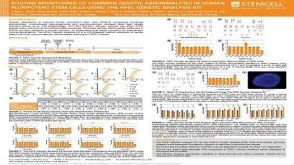 科学海报Routine Monitoring of Common Genetic Abnormalities in Human Pluripotent Stem Cells Using the hPSC Genetic Analysis Kit
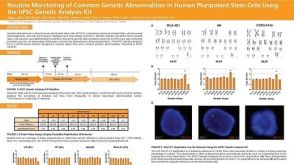 科学海报Routine Monitoring of Common Genetic Abnormalities in Human Pluripotent Stem Cells Using the hPSC Genetic Analysis Kit
 沪公网安备31010102008431号