R. A. Gardner et al. ( 2017)
Blood 129 25 3322--3331
Intent-to-treat leukemia remission by CD19 CAR T cells of defined formulation and dose in children and young adults.
Transitioning CD19-directed chimeric antigen receptor (CAR) T cells from early-phase trials in relapsed patients to a viable therapeutic approach with predictable efficacy and low toxicity for broad application among patients with high unmet need is currently complicated by product heterogeneity resulting from transduction of undefined T-cell mixtures,variability of transgene expression,and terminal differentiation of cells at the end of culture. A phase 1 trial of 45 children and young adults with relapsed or refractory B-lineage acute lymphoblastic leukemia was conducted using a CD19 CAR product of defined CD4/CD8 composition,uniform CAR expression,and limited effector differentiation. Products meeting all defined specifications occurred in 93{\%} of enrolled patients. The maximum tolerated dose was 106 CAR T cells per kg,and there were no deaths or instances of cerebral edema attributable to product toxicity. The overall intent-to-treat minimal residual disease-negative (MRD-) remission rate for this phase 1 study was 89{\%}. The MRD- remission rate was 93{\%} in patients who received a CAR T-cell product and 100{\%} in the subset of patients who received fludarabine and cyclophosphamide lymphodepletion. Twenty-three percent of patients developed reversible severe cytokine release syndrome and/or reversible severe neurotoxicity. These data demonstrate that manufacturing a defined-composition CD19 CAR T cell identifies an optimal cell dose with highly potent antitumor activity and a tolerable adverse effect profile in a cohort of patients with an otherwise poor prognosis. This trial was registered at www.clinicaltrials.gov as {\#}NCT02028455.
View Publication
产品类型:
产品号#:
07933
07953
07949
产品名:
CryoStor®CS5
CryoStor®CS5
CryoStor®CS5
S. Mikawa et al. (sep 2019)
FASEB journal : official publication of the Federation of American Societies for Experimental Biology 33 2 fj201701200RR
Serotonin 3 receptor signaling regulates 5-fluorouracil-mediated apoptosis indirectly via TNF-alpha production by enhancing serotonin release from enterochromaffin cells.
Antagonists of the 5-hydroxytryptamine (serotonin) 3 receptor (5-HT3R) have anti-inflammatory and anti-apoptotic activities,but the detailed,underlying mechanisms are not well understood. We focused on anti-apoptotic activities via 5-HT3R signaling to clarify the underlying mechanisms. Mice were administered 5-fluorouracil (5-FU),which induced apoptosis in intestinal epithelial cells. Coadministration with 5-HT3R antagonists or agonists tended to decrease or increase the number of apoptotic cells,respectively. In serotonin 3A receptor (5-HT3AR) null (HTR3A-/-) mice,the number of apoptotic cells induced by 5-FU was decreased compared with that in wild-type (WT) mice. Bone marrow (BM) transplantation was performed to determine if BM-derived immune cells regulated 5-FU-induced apoptosis,but they were found to be unrelated to this process. Data from 5-HT3AR/enhanced green fluorescent protein reporter mice revealed that 50{\%} of enterochromaffin (EC) cells expressed 5-HT3AR,but the number of apoptotic cells induced by 5-FU in the intestinal crypt organoids of HTR3A-/- mice was not altered compared with WT mice. In contrast,plasma 5-HT concentrations in WT mice but not in HTR3A-/- mice administered 5-FU were increased significantly. In conclusion,5-HT3R signaling may enhance 5-HT release,possibly from EC cells intravascularly,or paracrine,resulting in increases in plasma 5-HT concentration,which in turn,enhances apoptotic activities induced by 5-FU.-Mikawa,S.,Kondo,M.,Kaji,N.,Mihara,T.,Yoshitake,R.,Nakagawa,T.,Takamoto,M.,Nishimura,R.,Shimada,S.,Ozaki,H.,Hori,M. Serotonin 3 receptor signaling regulates 5-fluorouracil-mediated apoptosis indirectly via TNF-alpha production by enhancing serotonin release from enterochromaffin cells.
View Publication
GATA1-deficient human pluripotent stem cells generate neutrophils with improved antifungal immunity that is mediated by the integrin CD18
Neutrophils are critical for host defense against fungi. However,the short life span and lack of genetic tractability of primary human neutrophils has limited in vitro analysis of neutrophil-fungal interactions. Human induced pluripotent stem cell (iPSC)-derived neutrophils (iNeutrophils) are a genetically tractable alternative to primary human neutrophils. Here,we show that deletion of the transcription factor GATA1 from human iPSCs results in iNeutrophils with improved antifungal activity against Aspergillus fumigatus. GATA1 knockout (KO) iNeutrophils have increased maturation,antifungal pattern recognition receptor expression and more readily execute neutrophil effector functions compared to wild-type iNeutrophils. iNeutrophils also show a shift in their metabolism following stimulation with fungal ?-glucan,including an upregulation of the pentose phosphate pathway (PPP),similar to primary human neutrophils in vitro. Furthermore,we show that deletion of the integrin CD18 attenuates the ability of GATA1-KO iNeutrophils to kill A. fumigatus but is not necessary for the upregulation of PPP. Collectively,these findings support iNeutrophils as a robust system to study human neutrophil antifungal immunity and has identified specific roles for CD18 in the defense response. Author SummaryNeutrophils are important first responders to fungal infections,and understanding their antifungal functions is essential to better elucidating disease dynamics. Primary human neutrophils are short lived and do not permit genetic manipulation,limiting their use to study neutrophil-fungal interactions in vitro. Human induced pluripotent stem cell (iPSC)-derived neutrophils (iNeutrophils) are a genetically tractable alternative to primary human neutrophils for in vitro analyses. In this report we show that GATA1-deficient iPSCs generate neutrophils (iNeutrophils) that are more mature than wild-type iNeutrophils and display increased antifungal activity against the human fungal pathogen Aspergillus fumigatus. We also show that GATA1-deficient iNeutrophils have increased expression of antifungal receptors than wild-type cells and shift their metabolism and execute neutrophil antifungal functions at levels comparable to primary human neutrophils. Deletion of the integrin CD18 blocks the ability of GATA1-deficient iNeutrophils to kill and control the growth of A. fumigatus,demonstrating an important role for this integrin in iNeutrophil antifungal activity. Collectively,these findings support the use of iNeutrophils as a model to study neutrophil antifungal immunity.
View Publication
产品类型:
产品号#:
100-0276
100-1130
05990
09600
09605
09650
09655
产品名:
mTeSR™ Plus
mTeSR™ Plus
TeSR™-E8™
StemSpan™ SFEM
StemSpan™ SFEM II
StemSpan™ SFEM
StemSpan™ SFEM II
(Jul 2024)
iScience 27 8
Substrate stiffness alters layer architecture and biophysics of human induced pluripotent stem cells to modulate their differentiation potential
SummaryLineage-specific differentiation of human induced pluripotent stem cells (hiPSCs) relies on complex interactions between biochemical and physical cues. Here we investigated the ability of hiPSCs to undergo lineage commitment in response to inductive signals and assessed how this competence is modulated by substrate stiffness. We showed that Activin A-induced hiPSC differentiation into mesendoderm and its derivative,definitive endoderm,is enhanced on gel-based substrates softer than glass. This correlated with changes in tight junction formation and extensive cytoskeletal remodeling. Further,live imaging and biophysical studies suggested changes in cell motility and interfacial contacts underlie hiPSC layer reshaping on soft substrates. Finally,we repurposed an ultra-soft silicone gel,which may provide a suitable substrate for culturing hiPSCs at physiological stiffnesses. Our results provide mechanistic insight into how epithelial mechanics dictate the hiPSC response to chemical signals and provide a tool for their efficient differentiation in emerging stem cell therapies. Graphical abstract Highlights•Tuning of substrate stiffness can enhance mesendoderm/endoderm hiPSC differentiation•Altered tight junction formation drives increased differentiation on soft substrates•Changes in cell motility and interfacial contacts underlie hiPSC layer remodeling Mechanobiology; Stem cells research; Biophysics
View Publication
产品类型:
产品号#:
85850
85857
产品名:
mTeSR™1
mTeSR™1
(Jun 2025)
Cell Reports Medicine 6 7
iPSC-derived trimodal T cells engineered with CAR, TCR, and hnCD16 modalities can overcome antigen escape in heterogeneous tumors
SummaryAlthough chimeric antigen receptor (CAR) T cells have demonstrated therapeutic activity in hematopoietic malignancies,tumor heterogeneity has impeded the efficacy of CAR T cells and their extension into successful solid tumor treatment. To address these challenges,induced pluripotent stem cell (iPSC)-derived T (iT) cells are engineered to uniformly express CAR and T cell receptor (TCR),enabling targeting of both surface and intracellular antigens,respectively,along with a high-affinity,non-cleavable variant of CD16a (hnCD16) to support antibody-dependent cellular cytotoxicity (ADCC) when combined with therapeutic antibodies. Co-expression of each antitumor strategy on engineered iT cells enables independent and antigen-specific targeting across a diverse set of liquid and solid tumors. In heterogeneous tumor models,coactivation of these modalities is required for measurable antitumor efficacy,with activation of all three modalities displaying maximal efficacy. These data highlight the therapeutic potential of an off-the-shelf engineered iPSC-derived trimodal T cell expressing CAR,TCR,and hnCD16 to combat difficult-to-treat heterogeneous tumors. Graphical abstract Highlights•CAR,TCR,and hnCD16 can be uniformly co-expressed and can function in iT cells•hnCD16 signals through CD3ζ and arms iT cells with targeting flexibility through ADCC•Concurring CAR,TCR,and hnCD16 activation demonstrates a cooperative effect•Multi-targeting with trimodal iT cells can control heterogeneous tumors in vivo Yang et al. show that (1) trimodal iPSC cells expressing CAR,TCR,and hnCD16 can commit to T cell lineage,(2) hnCD16 signals through CD3ζ in iT cells and arms iT cells with ADCC targeting flexibility,and (3) trimodal iT cells control antigen-heterogeneous tumors in vivo through multi-modal targeting.
View Publication
产品类型:
产品号#:
18958
18958RF
产品名:
EasySep™ 小鼠CD90.1正选试剂盒
RoboSep™ 小鼠CD90.1正选试剂盒
Dorion et al. (Apr 2024)
Molecular Neurodegeneration 19 1
An adapted protocol to derive microglia from stem cells and its application in the study of CSF1R-related disorders
Induced pluripotent stem cell-derived microglia (iMGL) represent an excellent tool in studying microglial function in health and disease. Yet,since differentiation and survival of iMGL are highly reliant on colony-stimulating factor 1 receptor (CSF1R) signaling,it is difficult to use iMGL to study microglial dysfunction associated with pathogenic defects in CSF1R. Serial modifications to an existing iMGL protocol were made,including but not limited to changes in growth factor combination to drive microglial differentiation,until successful derivation of microglia-like cells from an adult-onset leukoencephalopathy with axonal spheroids and pigmented glia (ALSP) patient carrying a c.2350G > A (p.V784M) CSF1R variant. Using healthy control lines,the quality of the new iMGL protocol was validated through cell yield assessment,measurement of microglia marker expression,transcriptomic comparison to primary microglia,and evaluation of inflammatory and phagocytic activities. Similarly,molecular and functional characterization of the ALSP patient-derived iMGL was carried out in comparison to healthy control iMGL. The newly devised protocol allowed the generation of iMGL with enhanced transcriptomic similarity to cultured primary human microglia and with higher scavenging and inflammatory competence at ~ threefold greater yield compared to the original protocol. Using this protocol,decreased CSF1R autophosphorylation and cell surface expression was observed in iMGL derived from the ALSP patient compared to those derived from healthy controls. Additionally,ALSP patient-derived iMGL presented a migratory defect accompanying a temporal reduction in purinergic receptor P2Y12 ( P2RY12 ) expression,a heightened capacity to internalize myelin,as well as heightened inflammatory response to Pam 3 CSK 4 . Poor P2RY12 expression was confirmed to be a consequence of CSF1R haploinsufficiency,as this feature was also observed following CSF1R knockdown or inhibition in mature control iMGL,and in CSF1R WT/KO and CSF1R WT/E633K iMGL compared to their respective isogenic controls. We optimized a pre-existing iMGL protocol,generating a powerful tool to study microglial involvement in human neurological diseases. Using the optimized protocol,we have generated for the first time iMGL from an ALSP patient carrying a pathogenic CSF1R variant,with preliminary characterization pointing toward functional alterations in migratory,phagocytic and inflammatory activities. The online version contains supplementary material available at 10.1186/s13024-024-00723-x.
View Publication
产品类型:
产品号#:
05310
产品名:
STEMdiff™ 造血试剂盒
V. Rubino et al. (Nov 2024)
Cell Reports Medicine 5 11
IL-21/IL-21R signaling renders acute myeloid leukemia stem cells more susceptible to cytarabine treatment and CAR T cell therapy
Self-renewal programs in leukemia stem cells (LSCs) predict poor prognosis in patients with acute myeloid leukemia (AML). We identify CD4 + T cell-derived interleukin (IL)-21 as an important negative regulator of self-renewal of LSCs. IL-21/IL-21R signaling favors asymmetric cell division and differentiation in LSCs through the activation of p38-MAPK signaling,resulting in reduced LSC numbers and significantly prolonged survival in murine AML models. In human AML,serum IL-21 at diagnosis is identified as an independent positive prognostic biomarker for outcome and correlates with improved survival and higher complete remission rates in patients that underwent high-dose chemotherapy. IL-21 treatment inhibits primary LSC function and enhances the effect of cytarabine and CD70 CAR T cell treatment on LSCs in vitro . Low-dose IL-21 treatment prolongs the survival of AML mice in syngeneic and xenograft experiments. Therefore,promoting IL-21/IL-21R signaling on LSCs may be an approach to reduce stemness and increase differentiation in AML.
View Publication
产品类型:
产品号#:
03134
04435
04445
产品名:
MethoCult™M3134
MethoCult™H4435富集
MethoCult™H4435富集
S. Liu et al. (Jul 2025)
Chinese Medicine 20
Effects of solamargine in hepatic metastasis of colorectal cancer: induction of ferroptosis and elimination of cancer stem cells
Colorectal cancer (CRC) is a prevalent malignant tumor globally,ranking third in incidence and second in mortality. Metastasis is the main cause of death in patients with CRC. Solanum nigrum L. (SNL),a traditional Chinese medicinal herb endowed with detoxification,blood circulation enhancement,and anti-swelling properties,has been widely used in folk prescriptions for cancer treatment in China. Solamargine (SM) is the major steroidal alkaloid glycoside purified from SNL. However,its role and mechanism against metastatic CRC are not yet clear. The purpose of this study was to evaluate the inhibitory effect of SM on human hepatic metastatic CRC and investigate its underlying mechanism. CCK-8 assay,colony-formation assay,transwell assay,flow cytometry,tumoursphere formation assay,reverse-transcription quantitative PCR (RT-qPCR),Western blotting,transcriptomic sequencing and ferroptosis analysis were performed to reveal the efficacy and the underlying mechanism of SM in CRC cell lines. In vivo,allograft model,patient-derived xenograft (PDX) model,and liver metastatic model were performed to verify the effect of SM on the growth and metastasis of CRC. SM was found to suppress hepatic metastasis in CRC by effectively targeting key cellular processes,including proliferation,survival,and stemness. RNA sequencing showed that SM could induce ferroptosis,which was confirmed by elevated lipid reactive oxygen species (ROS) and downregulated glutathione peroxidase 4 (GPX4) and glutathione synthetase (GSS) in CRC cells and xenografts. Induction of ferroptosis by SM was regulated by nuclear factor erythroid 2-related factor 2 (Nrf2). Furthermore,downregulation of β-catenin was found to be fundamental for the SM-enabled cancer stem cells (CSCs) elimination and metastasis blockage in CRC. Our results indicated that SM is a promising therapeutic drug to inhibit hepatic metastasis in CRC by inducing ferroptosis and impeding CSCs. The online version contains supplementary material available at 10.1186/s13020-025-01171-5.
View Publication
产品类型:
产品号#:
01700
01702
产品名:
ALDEFLUOR™ 试剂盒
ALDEFLUOR™测定缓冲液
A. R. Dinasarapu et al. (Aug 2025)
Stem Cells Translational Medicine 14 8
Modeling rare genetic disease with patient-derived induced pluripotent stem cells: reassessment of the minimum numbers of lines needed
Induced pluripotent stem cells (iPSCs) are widely used to model human genetic diseases. The most common strategy involves collecting cells from relevant individuals and then reprogramming them into iPSCs. This strategy is very powerful,but finding enough individuals with a specific genetic disease can be challenging,especially since most are rare. In addition,making numerous iPSC lines is time-consuming and expensive. As a result,most studies have included relatively small numbers of iPSC lines,sometimes from the same individual. Considering the experimental variability obtained using different iPSC lines,there has been great interest in delineating the most efficient number of lines needed to achieve a robust and reproducible result. Several recommendations have been published,although most conclusions have been based on methods where experimental variance from individual cases is difficult to separate from technical issues related to the preparation of iPSCs. The current study used gene expression profiles determined by RNA sequencing (RNAseq) to empirically evaluate the impact of the number of unique individuals and the number of replicate iPSC lines from each individual for modeling Lesch-Nyhan disease (LND). This disease is caused by mutations in the HPRT1 gene,which encodes the enzyme hypoxanthine-guanine phosphoribosyltransferase. Results for detecting disease-relevant changes in gene expression depended on the analytical method employed,and whether or not statistical procedures were used to address multiple iPSC lines from the same individual. In keeping with prior studies,the best results were obtained with iPSC lines from 3-4 unique individuals per group. In contrast to prior studies,results were improved with 2 lines per individual,without statistical corrections for duplicate lines from the same individual. In the current study where all lines were produced in parallel using the same methods,most variance in gene expression came from technical factors unrelated to the individual from whom the iPSC lines were prepared.
View Publication
产品类型:
产品号#:
05230
产品名:
STEMdiff™ 三谱系分化试剂盒
Dahl C et al. (APR 2002)
Journal of immunological methods 262 1-2 137--43
The establishment of a combined serum-free and serum-supplemented culture method of obtaining functional cord blood-derived human mast cells.
BACKGROUND: Serum-free cultures supplemented with stem cell factor (SCF) and IL-6 is reported to support the extensive growth of less functional human cord blood-derived mast cells. OBJECTIVE: To obtain more functional mast cells from cord blood,we developed a culture system combining a serum-free condition for 0-8 weeks of culture,and followed by a serum-supplemented culture condition and examined the function of the cells compared to the cells cultured continuously in serum-free condition. METHODS: Human cord blood progenitors were purified with anti-CD133 antibody. They were cultured in a serum-free medium StemSpan supplemented with SCF at 100 ng/ml and IL-6 at 50 ng/ml for 8 weeks. Then,an aliquot of the cultured cells were cultured in the above condition but further supplemented with 10% fetal calf serum (FCS). RESULTS: The addition of FCS after 8 weeks of culture significantly increased the amount of histamine per mast cell (3.8 pg/cell) when compared to the serum-free condition (0.7 pg/cell). The cells cultured with FCS after 8 weeks expressed more FcvarepsilonRI alpha and released textgreater30% of the histamine content upon anti-IgE stimulation than those cultured without serum. CONCLUSION: It is uncertain why FCS enhanced the functional maturation of mast cells when added after week 8 of culture but suppressed mast cell development when added at day 0 of culture. Yet,the present method combining a serum-free culture system with a serum-supplemented culture system seems to be beneficial for most of the laboratories to obtain functional human mast cells.
View Publication
产品类型:
产品号#:
09600
09650
产品名:
StemSpan™ SFEM
StemSpan™ SFEM
T. Yamamoto et al. (apr 2019)
Scientific reports 9 1 5917
STING agonists activate latently infected cells and enhance SIV-specific responses ex vivo in naturally SIV controlled cynomolgus macaques.
To achieve a functional cure for HIV,treatment regimens that eradicate latently HIV-infected cells must be established. For this,many groups have attempted to reactivate latently-infected cells to induce cytopathic effects and/or elicit cytotoxic T lymphocyte (CTL)/NK cell-mediated immune responses to kill these cells. We believe that not only the reactivation of latently-infected cells,but also the induction of strong CTL responses,would be required for this. Here,we used typical immune activators that target pattern recognition receptors (PRRs). For our experimental model,we identified eight SIV-infected cynomolgus monkeys that became natural controllers of viremia. Although plasma viral loads were undetectable,we could measure SIV-DNA by qPCR in peripheral blood mononuclear cells (PBMCs). Using these PBMCs,we screened 10 distinct PRR ligands to measure IFN-alpha and IFN-gamma production. Among these,STING ligands,cGAMP and c-di-AMP,and the TLR7/8 agonist R848 markedly increased cytokine levels. Both R848 and STING ligands could reactivate latently-infected cells in both cynomolgus monkeys and human PBMCs in vitro. Furthermore,c-di-AMP increased the frequency of SIV Gag-specific CD8+ T cells including polyfunctional CD8+ T cells,as compared to that in untreated control or R848-treated cells. Together,STING ligands might be candidates for HIV treatment.
View Publication


 EasySep™小鼠TIL(CD45)正选试剂盒




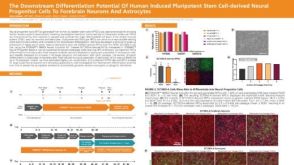 科学海报The Downstream Differentiation Potential of Human Induced Pluripotent Stem Cell-Derived Neural Progenitor Cells to Forebrain Neurons and Astrocytes
 沪公网安备31010102008431号