Brueckner B et al. (JUL 2005)
Cancer research 65 14 6305--11
Epigenetic reactivation of tumor suppressor genes by a novel small-molecule inhibitor of human DNA methyltransferases.
DNA methylation regulates gene expression in normal and malignant cells. The possibility to reactivate epigenetically silenced genes has generated considerable interest in the development of DNA methyltransferase inhibitors. Here,we provide a detailed characterization of RG108,a novel small molecule that effectively blocked DNA methyltransferases in vitro and did not cause covalent enzyme trapping in human cell lines. Incubation of cells with low micromolar concentrations of the compound resulted in significant demethylation of genomic DNA without any detectable toxicity. Intriguingly,RG108 caused demethylation and reactivation of tumor suppressor genes,but it did not affect the methylation of centromeric satellite sequences. These results establish RG108 as a DNA methyltransferase inhibitor with fundamentally novel characteristics that will be particularly useful for the experimental modulation of epigenetic gene regulation.
View Publication
产品类型:
产品号#:
72012
72014
72212
产品名:
5-氮杂胞苷(5-Azacytidine)
5-氮杂胞苷(5-Azacytidine)
RG108
Ulbrandt ND et al. (AUG 2006)
Journal of Virology 80 16 7799--806
Isolation and characterization of monoclonal antibodies which neutralize human metapneumovirus in vitro and in vivo
Human metapneumovirus (hMPV) is a recently described member of the Paramyxoviridae family/Pneumovirinae subfamily and shares many common features with respiratory syncytial virus (RSV),another member of the same subfamily. hMPV causes respiratory tract illnesses that,similar to human RSV,occur predominantly during the winter months and have symptoms that range from mild to severe cough,bronchiolitis,and pneumonia. Like RSV,the hMPV virus can be subdivided into two genetic subgroups,A and B. With RSV,a single monoclonal antibody directed at the fusion (F) protein can prevent severe lower respiratory tract RSV infection. Because of the high level of sequence conservation of the F protein across all the hMPV subgroups,this protein is likely to be the preferred antigenic target for the generation of cross-subgroup neutralizing antibodies. Here we describe the generation of a panel of neutralizing monoclonal antibodies that bind to the hMPV F protein. A subset of these antibodies has the ability to neutralize prototypic strains of both the A and B hMPV subgroups in vitro. Two of these antibodies exhibited high-affinity binding to the F protein and were shown to protect hamsters against infection with hMPV. The data suggest that a monoclonal antibody could be used prophylactically to prevent lower respiratory tract disease caused by hMPV.
View Publication
产品类型:
产品号#:
03800
03801
03802
03803
03804
03805
03806
产品名:
ClonaCell™-HY 杂交瘤试剂盒
ClonaCell™-HY Medium
ClonaCell™-HY Medium
ClonaCell™-HY Medium
ClonaCell™-HY Medium
ClonaCell™-HY Medium
ClonaCell™-HY PEG (融合)
Begum AN et al. (NOV 2015)
Stem Cell Research 15 3 731--741
Rapid generation of sub-type, region-specific neurons and neural networks from human pluripotent stem cell-derived neurospheres
Stem cell-based neuronal differentiation has provided a unique opportunity for disease modeling and regenerative medicine. Neurospheres are the most commonly used neuroprogenitors for neuronal differentiation,but they often clump in culture,which has always represented a challenge for neurodifferentiation. In this study,we report a novel method and defined culture conditions for generating sub-type or region-specific neurons from human embryonic and induced pluripotent stem cells derived neurosphere without any genetic manipulation. Round and bright-edged neurospheres were generated in a supplemented knockout serum replacement medium (SKSRM) with 10% CO2,which doubled the expression of the NESTIN,PAX6 and FOXG1 genes compared with those cultured with 5% CO2. Furthermore,an additional step (AdSTEP) was introduced to fragment the neurospheres and facilitate the formation of a neuroepithelial-type monolayer that we termed the neurosphederm". The large neural tube-type rosette (NTTR) structure formed from the neurosphederm�
View Publication
产品类型:
产品号#:
85850
85857
产品名:
mTeSR™1
mTeSR™1
Willems E et al. (AUG 2011)
Circulation research 109 4 360--4
Small-molecule inhibitors of the Wnt pathway potently promote cardiomyocytes from human embryonic stem cell-derived mesoderm.
RATIONALE: Human embryonic stem cells can form cardiomyocytes when cultured under differentiation conditions. Although the initiating step of mesoderm formation is well characterized,the subsequent steps that promote for cardiac lineages are poorly understood and limit the yield of cardiomyocytes. OBJECTIVE: Our aim was to develop a human embryonic stem cell-based high-content screening assay to discover small molecules that drive cardiogenic differentiation after mesoderm is established to improve our understanding of the biology involved. Screening of libraries of small-molecule pathway modulators was predicted to provide insight into the cellular proteins and signaling pathways that control stem cell cardiogenesis. METHODS AND RESULTS: Approximately 550 known pathway modulators were screened in a high-content screening assay,with hits being called out by the appearance of a red fluorescent protein driven by the promoter of the cardiac-specific MYH6 gene. One potent small molecule was identified that inhibits transduction of the canonical Wnt response within the cell,which demonstrated that Wnt inhibition alone was sufficient to generate cardiomyocytes from human embryonic stem cell-derived mesoderm cells. Transcriptional profiling of inhibitor-treated compared with vehicle-treated samples further indicated that inhibition of Wnt does not induce other mesoderm lineages. Notably,several other Wnt inhibitors were very efficient in inducing cardiogenesis,including a molecule that prevents Wnts from being secreted by the cell,which confirmed that Wnt inhibition was the relevant biological activity. CONCLUSIONS: Pharmacological inhibition of Wnt signaling is sufficient to drive human mesoderm cells to form cardiomyocytes; this could yield novel tools for the benefit of pharmaceutical and clinical applications.
View Publication
产品类型:
产品号#:
72544
72562
72564
产品名:
IWP-3
IWR-1-endo
IWR-1-endo
Funk WD et al. (MAR 2012)
Stem Cell Research 8 2 154--64
Evaluating the genomic and sequence integrity of human ES cell lines; comparison to normal genomes
Copy number variation (CNV) is a common chromosomal alteration that can occur during in vitro cultivation of human cells and can be accompanied by the accumulation of mutations in coding region sequences. We describe here a systematic application of current molecular technologies to provide a detailed understanding of genomic and sequence profiles of human embryonic stem cell (hESC) lines that were derived under GMP-compliant conditions. We first examined the overall chromosomal integrity using cytogenetic techniques to determine chromosome count,and to detect the presence of cytogenetically aberrant cells in the culture (mosaicism). Assays of copy number variation,using both microarray and sequence-based analyses,provide a detailed view genomic variation in these lines and shows that in early passage cultures of these lines,the size range and distribution of CNVs are entirely consistent with those seen in the genomes of normal individuals. Similarly,genome sequencing shows variation within these lines that is completely within the range seen in normal genomes. Important gene classes,such as tumor suppressors and genetic disease genes,do not display overtly disruptive mutations that could affect the overall safety of cell-based therapeutics. Complete sequence also allows the analysis of important transplantation antigens,such as ABO and HLA types. The combined application of cytogenetic and molecular technologies provides a detailed understanding of genomic and sequence profiles of GMP produced ES lines for potential use as therapeutic agents.
View Publication
产品类型:
产品号#:
85850
85857
产品名:
mTeSR™1
mTeSR™1
Li Y et al. (AUG 1998)
Molecular and cellular biology 18 8 4719--31
Molecular determinants of AHPN (CD437)-induced growth arrest and apoptosis in human lung cancer cell lines.
6-[3-(1-Adamantyl)-4-hydroxyphenyl]-2-naphthalene carboxylic acid (AHPN or CD437),originally identified as a retinoic acid receptor gamma-selective retinoid,was previously shown to induce growth inhibition and apoptosis in human breast cancer cells. In this study,we investigated the role of AHPN/CD437 and its mechanism of action in human lung cancer cell lines. Our results demonstrated that AHPN/CD437 effectively inhibited lung cancer cell growth by inducing G0/G1 arrest and apoptosis,a process that is accompanied by rapid induction of c-Jun,nur77,and p21(WAF1/CIP1). In addition,we found that expression of p53 and Bcl-2 was differentially regulated by AHPN/CD437 in different lung cancer cell lines and may play a role in regulating AHPN/CD437-induced apoptotic process. On constitutive expression of the c-JunAla(63,73) protein,a dominant-negative inhibitor of c-Jun,in A549 cells,nur77 expression and apoptosis induction by AHPN/CD437 were impaired,whereas p21(WAF1/CIP1) induction and G0/G1 arrest were not affected. Furthermore,overexpression of antisense nur77 RNA in A549 and H460 lung cancer cell lines largely inhibited AHPN/CD437-induced apoptosis. Thus,expression of c-Jun and nur77 plays a critical role in AHPN/CD437-induced apoptosis. Together,our results reveal a novel pathway for retinoid-induced apoptosis and suggest that AHPN/CD437 or analogs may have a better therapeutic efficacy against lung cancer.
View Publication
Structure of human immunoproteasome with a reversible and noncompetitive inhibitor that selectively inhibits activated lymphocytes.
Proteasome inhibitors benefit patients with multiple myeloma and B cell-dependent autoimmune disorders but exert toxicity from inhibition of proteasomes in other cells. Toxicity should be minimized by reversible inhibition of the immunoproteasome β5i subunit while sparing the constitutive β5c subunit. Here we report β5i-selective inhibition by asparagine-ethylenediamine (AsnEDA)-based compounds and present the high-resolution cryo-EM structural analysis of the human immunoproteasome. Despite inhibiting noncompetitively,an AsnEDA inhibitor binds the active site. Hydrophobic interactions are accompanied by hydrogen bonding with β5i and β6 subunits. The inhibitors are far more cytotoxic for myeloma and lymphoma cell lines than for hepatocarcinoma or non-activated lymphocytes. They block human B-cell proliferation and promote apoptotic cell death selectively in antibody-secreting B cells,and to a lesser extent in activated human T cells. Reversible,β5i-selective inhibitors may be useful for treatment of diseases involving activated or neoplastic B cells or activated T cells.
View Publication
产品类型:
产品号#:
17951
17951RF
100-0695
产品名:
EasySep™人T细胞分选试剂盒
RoboSep™ 人T细胞分选试剂盒
EasySep™人T细胞分选试剂盒
Z. Chen et al. (nov 2019)
Gastroenterology 156 4 1127--1139.e8
Integrated Analysis of Mouse and Human Gastric Neoplasms Identifies Conserved microRNA Networks in Gastric Carcinogenesis.
BACKGROUND AIMS microRNAs (miRNAs) are small non-coding RNAs that bind to 3'UTR regions of mRNAs to promote their degradation or block their translation. Mice with disruption of the trefoil factor 1 gene (Tff1) develop gastric neoplasms. We studied these mice to identify conserved miRNA networks involved in gastric carcinogenesis. METHODS We performed next-generation miRNA sequencing analysis of normal gastric tissues (based on histology) from subjects without evidence of gastric neoplasm from patients (n=64) and TFF1-knockout mice (n=22). We validated our findings using 270 normal gastric tissues (including 61 samples from patients without evidence of neoplastic lesions) and 234 gastric tumor tissues from 3 separate cohorts of patients and from mice. We performed molecular and functional assays using cell lines (MKN28,MKN45,STKM2,and AGS cells),gastric organoids,and mice with xenograft tumors. RESULTS We identified 117 miRNAs that were significantly deregulated in mouse and human gastric tumor tissues,compared with non-tumor tissues. We validated changes in levels of 6 miRNAs by quantitative real-time PCR analyses of neoplastic gastric tissues from mice (n=39) and 3 independent cohorts patients (332 patients total). We found levels of MIR135B-5p,MIR196B-5p,and MIR92A-5p to be increased in tumor tissues whereas levels of MIR143-3p,MIR204-5p,and MIR133-3p were decreased in tumor tissues. Levels of MIR143-3p were reduced not only in gastric cancer tissues,but also in normal tissues adjacent to tumors in humans and low-grade dysplasia in mice. Transgenic expression of MIR143-3p in gastric cancer cell lines reduced their proliferation and restored their sensitivity to cisplatin. AGS cells with stable transgenic expression of MIR143-3p grew more slowly as xenograft tumors in mice than control AGS cells; tumor growth from AGS cells that expressed MIR143-3p,but not control cells,was sensitive to cisplatin. We identified and validated bromodomain containing 2 (BRD2) as a direct target of MIR143-3p; increased levels of BRD2 in gastric tumors associated with shorter survival times of patients. CONCLUSIONS In an analysis of miRNA profiles of gastric tumors from mice and human patients,we identified a conserved signature associated with early stages of gastric tumorigenesis. Strategies to restore MIR143-3p or inhibit BRD2 might be developed for treatment of gastric cancer.
View Publication
S. Baron et al. ( 2022)
Frontiers in pharmacology 13 1030991
Selinexor, a selective inhibitor of nuclear export, inhibits human neutrophil extracellular trap formation in vitro.
Neutrophils are central players in the innate immune system. To protect against invading pathogens,neutrophils can externalize chromatin to create neutrophil extracellular traps (NETs). While NETs are critical to host defense,they also have deleterious effects,and dysregulation of NETs formation has been implicated in autoimmune diseases,atherosclerosis and thrombotic conditions,cancer progression and dissemination,and acute respiratory distress syndrome. Here,we report that selinexor,a first-in-class selective inhibitor of nuclear export approved for the treatment of multiple myeloma and diffuse large B-cell lymphoma,markedly suppressed the release of NETs in vitro. Furthermore,we demonstrate a significant inhibitory effect of selinexor on NETs formation,but not on oxidative burst or enzymatic activities central to NETs release such as neutrophil elastase,myeloperoxidase or peptidyl arginine deiminase type IV. The inhibitory effect of selinexor was demonstrated in neutrophils activated by a variety of NETs-inducers,including PMA,TGF-$\beta$,TNF-$\alpha$ and IL-8. Maximal inhibition of NETs formation was observed using TGF-$\beta$,for which selinexor inhibited NETs release by 61.6%. These findings pave the way to the potential use of selinexor in an effort to reduce disease burden by inhibition of NETs.
View Publication
产品类型:
产品号#:
19666
100-0404
产品名:
EasySep™ Direct人中性粒细胞分选试剂盒
RoboSep™ 人中性粒细胞分选试剂盒
(Jun 2025)
iScience 28 8
Cardiac fibrosis inhibitor CTPR390 prevents structural and morphological changes in human engineered cardiac connective tissue
SummaryCardiac fibrosis is a key characteristic of heart failure. CTPR390,an experimental anti-fibrotic inhibitor targeting Hsp90,has shown success in animal models,but remains unexplored in human cardiac models. This study evaluated an engineered cardiac connective tissue (ECCT) model,focusing on changes in the extracellular matrix and fibroblasts. Results showed that CTPR390 prevented architectural changes in TGF?1-activated ECCT,preserving tissue perimeter,collagen fibers alignment while reducing structured areas and degree of collagen structuration. CTPR390 treatment reduced cell area of fibroblasts under tension,without changes in the internal rounded cells devoid of tension. Fibroblast recruitment to tension areas was diminished,showing biomechanical behavior similar to control ECCT. This treatment also lowered the gene and protein expression of key pro-fibrotic markers. Here,advanced biotechnology was employed to detect the detailed structure of tissue fibrosis reduction after administering CTPR390,representing a significant advancement toward clinical application for cardiac fibrosis treatment. Graphical abstract Highlights•CTPR390 prevented architectural changes in TGF?1-activated ECCT•CTPR390 preserves tissue perimeter,collagen fibers alignment•CTPR390 reduces structured areas and degree of collagen structuration•CTPR390-trested ECCTs presented a biomechanical behavior similar to control ECCT Molecular biology; Cell biology
View Publication
产品类型:
产品号#:
85850
85857
产品名:
mTeSR™1
mTeSR™1
(Nov 2024)
Cell Transplantation 33 4
Human Stem Cell–Derived Cardiomyocytes Integrate Into the Heart of Monkeys With Right Ventricular Pressure Overload
Cardiac ventricular pressure overload affects patients with congenital heart defects and can cause cardiac insufficiency. Grafts of stem cell–derived cardiomyocytes are proposed as a complementary treatment to surgical repair of the cardiac defect,aiming to support ventricular function. Here,we report successful engraftment of human induced pluripotent stem cell–derived cardiac lineage cells into the heart of immunosuppressed rhesus macaques with a novel surgical model of right ventricular pressure overload. The human troponin+ grafts were detected in low-dose (2 × 10⁶ cells/kg) and high-dose (10 × 106 cells/kg) treatment groups up to 12 weeks post-injection. Transplanted cells integrated and progressively matched the organization of the surrounding host myocardium. Ventricular tachycardia occurred in five out of 16 animals receiving cells,with episodes of incessant tachycardia observed in two animals; ventricular tachycardia events resolved within 19 days. Our results demonstrate that grafted cardiomyocytes mature and integrate into the myocardium of nonhuman primates modeling right ventricular pressure overload.
View Publication


 EasySep™小鼠TIL(CD45)正选试剂盒




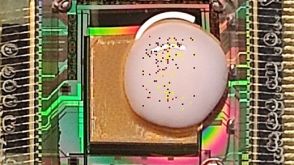 实验方案Measuring Neuronal Activity in Human Pluripotent Stem Cell-Derived Cerebral Organoids on 3D High-Density Multi-Electrode Arrays
 沪公网安备31010102008431号