T. Frey et al. (Oct 2025)
Cell Communication and Signaling : CCS 23 2.45E+03
T cell receptor associated transmembrane adaptor 1 (TRAT1) modulates human Th17 and Treg responses via PI3-kinase and STAT dependent mechanisms
BackgroundAdaptor proteins associated with the T cell receptor (TCR) play critical roles in regulating immune responses by Translating receptor engagement into intracellular signals. T cell Receptor Associated Transmembrane Adaptor 1 (TRAT1) has been implicated in modulating TCR complex stability,but its functional role in human effector and regulatory CD4⁺ T cell subsets remains poorly understood. This study aimed to elucidate the role of TRAT1 in regulating T cell activation and differentiation,particularly in helper T cells function and regulatory T cells.MethodsPrimary human CD4⁺ T cells,including thymus-derived and induced regulatory T cells (Treg),were genetically modified by CRISPR/Cas9-mediated gene deletion or retro-/lentiviral overexpression of TRAT1. Functional assays,flow cytometry,cytokine quantification,and RNA sequencing were performed to evaluate modulation of T cell functions. Mechanistic studies included pathway inhibition using small molecules and phospho-protein analysis. The influence of TRAT1 on Treg function was further assessed in a CAR Treg context in an immune organoid model of allo-rejection.ResultsThymus-derived,TGFb-induced and FOXP3-transgenic Treg displayed reduced expression of TRAT1 compared to effector T cells,which showed pronounced up-regulation of TRAT1 following activation. In effector T cells,deletion of TRAT1 led to increased signaling through the phosphoinositide 3-kinase pathway resulting in enhanced proliferation and increased expression of activation markers. However,this was accompanied by reduced production of interleukin-17,which was linked to elevated activity of STAT6 as shown by inhibition experiments using small molecule inhibitors. Overexpression and CRISPR/Cas9-mediated knockout of TRAT1 in Treg enhanced suppression of CD4⁺ target cells via up-regulation of LAP/GARP but reduced suppression of CD8⁺ target cells,an effect confirmed in HLA-A2-specific CAR Treg in a human organoid model of allo-rejection.ConclusionsTRAT1 acts as a dual regulator of human CD4⁺ T cell function,limiting effector activation through modulation of intracellular signaling and supporting regulatory T cell-mediated suppression. These findings reveal a novel mechanism of immune regulation with potential implications for the development of cell-based immunotherapies.Supplementary InformationThe online version contains supplementary material available at 10.1186/s12964-025-02429-z.
View Publication
产品类型:
产品号#:
100-0695
17951
17951RF
产品名:
EasySep™人T细胞分选试剂盒
EasySep™人T细胞分选试剂盒
RoboSep™ 人T细胞分选试剂盒
A. Odawara et al. (JUL 2018)
Scientific reports 8 1 10416
Toxicological evaluation of convulsant and anticonvulsant drugs in human induced pluripotent stem cell-derived cortical neuronal networks using an MEA system.
Functional evaluation assays using human induced pluripotent stem cell (hiPSC)-derived neurons can predict the convulsion toxicity of new drugs and the neurological effects of antiepileptic drugs. However,differences in responsiveness depending on convulsant type and antiepileptic drugs,and an evaluation index capable of comparing in vitro responses with in vivo responses are not well known. We observed the difference in synchronized burst patterns in the epileptiform activities induced by pentylentetrazole (PTZ) and 4-aminopryridine (4-AP) with different action mechanisms using multi-electrode arrays (MEAs); we also observed that 100 µM of the antiepileptic drug phenytoin suppressed epileptiform activities induced by PTZ,but increased those induced by 4-AP. To compare in vitro results with in vivo convulsive responses,frequency analysis of below 250 Hz,excluding the spike component,was performed. The in vivo convulsive firing enhancement of the high gamma$ wave and beta$ wave component were observed remarkably in in vitro hiPSC-derived neurons with astrocytes in co-culture. MEA measurement of hiPSC-derived neurons in co-culture with astrocytes and our analysis methods,including frequency analysis,appear effective for predicting convulsion toxicity,side effects,and their mechanism of action as well as the comparison of convulsions induced in vivo.
View Publication
产品类型:
产品号#:
05711
05790
05792
05793
05794
05795
100-1281
产品名:
NeuroCult™ SM1 神经添加物
BrainPhys™神经元培养基
BrainPhys™神经元培养基和SM1试剂盒
BrainPhys™ 神经元培养基N2-A和SM1试剂盒
BrainPhys™原代神经元试剂盒
BrainPhys™ hPSC 神经元试剂盒
NeuroCult™ SM1 神经添加物
Ito CY et al. (JAN 2010)
Blood 115 2 257--60
The AC133+CD38-, but not the rhodamine-low, phenotype tracks LTC-IC and SRC function in human cord blood ex vivo expansion cultures.
Phenotypic markers associated with human hematopoietic stem cells (HSCs) were developed and validated using uncultured cells. Because phenotype and function can be dissociated during culture,better markers to prospectively track and isolate HSCs in ex vivo cultures could be instrumental in advancing HSC-based therapies. Using an expansion system previously shown to increase hematopoietic progenitors and SCID-repopulating cells (SRCs),we demonstrated that the rhodamine-low phenotype was lost,whereas AC133 expression was retained throughout culture. Furthermore,the AC133(+)CD38(-) subpopulation was significantly enriched in long-term culture-initiating cells (LTC-IC) and SRCs after culture. Preculture and postculture analysis of total nucleated cell and LTC-IC number,and limiting dilution analysis in NOD/SCID mice,showed a 43-fold expansion of the AC133(+)CD38(-) subpopulation that corresponded to a 7.3-fold and 4.4-fold expansion of LTC-ICs and SRCs in this subpopulation,respectively. Thus,AC133(+)CD38(-) is an improved marker that tracks and enriches for LTC-IC and SRC in ex vivo cultures.
View Publication
产品类型:
产品号#:
04434
04444
05150
14056
14066
产品名:
MethoCult™H4434经典
MethoCult™H4434经典
MyeloCult™H5100
Jiang B et al. (OCT 2015)
Biomaterials 65 103--114
Generation of cardiac spheres from primate pluripotent stem cells in a small molecule-based 3D system.
Pluripotent stem cell (PSC) usage in heart regenerative medicine requires producing enriched cardiomyocytes (CMs) with mature phenotypes in a defined medium. However,current methods are typically performed in 2D environments that produce immature CMs. Here we report a simple,growth factor-free 3D culture system to rapidly and efficiently generate 85.07 ± 1.8% of spontaneously contractile cardiac spheres (scCDSs) using 3D-cultured human and monkey PSC-spheres. Along with small molecule-based 3D induction,this protocol produces CDSs of up to 95.7% CMs at a yield of up to 237 CMs for every input pluripotent cell,is effective for human and monkey PSCs,and maintains 81.03 ± 12.43% of CDSs in spontaneous contractibility for over three months. These CDSs displayed CM ultrastructure,calcium transient,appropriate pharmacological responses and CM gene expression profiles specific for maturity. Furthermore,3D-derived CMs displayed more mature phenotypes than those from a parallel 2D-culture. The system is compatible to large-scaly produce CMs for disease study,cell therapy and pharmaceutics screening.
View Publication
产品类型:
产品号#:
05850
05857
05870
05875
07923
85850
85857
85870
85875
产品名:
Dispase (1 U/mL)
mTeSR™1
mTeSR™1
Ramakrishnan VM et al. (AUG 2015)
Scientific reports 5 13231
Restoration of Physiologically Responsive Low-Density Lipoprotein Receptor-Mediated Endocytosis in Genetically Deficient Induced Pluripotent Stem Cells.
Acquiring sufficient amounts of high-quality cells remains an impediment to cell-based therapies. Induced pluripotent stem cells (iPSC) may be an unparalleled source,but autologous iPSC likely retain deficiencies requiring correction. We present a strategy for restoring physiological function in genetically deficient iPSC utilizing the low-density lipoprotein receptor (LDLR) deficiency Familial Hypercholesterolemia (FH) as our model. FH fibroblasts were reprogrammed into iPSC using synthetic modified mRNA. FH-iPSC exhibited pluripotency and differentiated toward a hepatic lineage. To restore LDLR endocytosis,FH-iPSC were transfected with a 31 kb plasmid (pEHZ-LDLR-LDLR) containing a wild-type LDLR (FH-iPSC-LDLR) controlled by 10 kb of upstream genomic DNA as well as Epstein-Barr sequences (EBNA1 and oriP) for episomal retention and replication. After six months of selective culture,pEHZ-LDLR-LDLR was recovered from FH-iPSC-LDLR and transfected into Ldlr-deficient CHO-a7 cells,which then exhibited feedback-controlled LDLR-mediated endocytosis. To quantify endocytosis,FH-iPSC ± LDLR were differentiated into mesenchymal cells (MC),pretreated with excess free sterols,Lovastatin,or ethanol (control),and exposed to DiI-LDL. FH-MC-LDLR demonstrated a physiological response,with virtually no DiI-LDL internalization with excess sterols and an ˜2-fold increase in DiI-LDL internalization by Lovastatin compared to FH-MC. These findings demonstrate the feasibility of functionalizing genetically deficient iPSC using episomal plasmids to deliver physiologically responsive transgenes.
View Publication
产品类型:
产品号#:
05110
产品名:
STEMdiff™定型内胚层检测试剂盒
Phetfong J et al. (JUL 2016)
Cell and Tissue Research 365 1 101--112
Cell type of origin influences iPSC generation and differentiation to cells of the hematoendothelial lineage
The use of induced pluripotent stem cells (iPSCs) as a source of cells for cell-based therapy in regenerative medicine is hampered by the limited efficiency and safety of the reprogramming procedure and the low efficiency of iPSC differentiation to specialized cell types. Evidence suggests that iPSCs retain an epigenetic memory of their parental cells with a possible influence on their differentiation capacity in vitro. We reprogramme three cell types,namely human umbilical cord vein endothelial cells (HUVECs),endothelial progenitor cells (EPCs) and human dermal fibroblasts (HDFs),to iPSCs and compare their hematoendothelial differentiation capacity. HUVECs and EPCs were at least two-fold more efficient in iPSC reprogramming than HDFs. Both HUVEC- and EPC-derived iPSCs exhibited high potentiality toward endothelial cell differentiation compared with HDF-derived iPSCs. However,only HUVEC-derived iPSCs showed efficient differentiation to hematopoietic stem/progenitor cells. Examination of DNA methylation at promoters of hematopoietic and endothelial genes revealed evidence for the existence of epigenetic memory at the endothelial genes but not the hematopoietic genes in iPSCs derived from HUVECs and EPCs indicating that epigenetic memory involves an endothelial differentiation bias. Our findings suggest that endothelial cells and EPCs are better sources for iPSC derivation regarding their reprogramming efficiency and that the somatic cell type used for iPSC generation toward specific cell lineage differentiation is of importance.
View Publication
产品类型:
产品号#:
05850
05857
05870
05875
07923
04435
04445
85850
85857
85870
85875
18551
18551RF
18561
产品名:
Dispase (1 U/mL)
MethoCult™H4435富集
MethoCult™H4435富集
mTeSR™1
mTeSR™1
Li P et al. (JUL 2016)
Nature medicine 22 7 807--11
Stimulating the RIG-I pathway to kill cells in the latent HIV reservoir following viral reactivation.
The persistence of latent HIV proviruses in long-lived CD4(+) T cells despite antiretroviral therapy (ART) is a major obstacle to viral eradication. Because current candidate latency-reversing agents (LRAs) induce HIV transcription,but fail to clear these cellular reservoirs,new approaches for killing these reactivated latent HIV reservoir cells are urgently needed. HIV latency depends upon the transcriptional quiescence of the integrated provirus and the circumvention of immune defense mechanisms. These defenses include cell-intrinsic innate responses that use pattern-recognition receptors (PRRs) to detect viral pathogens,and that subsequently induce apoptosis of the infected cell. Retinoic acid (RA)-inducible gene I (RIG-I,encoded by DDX58) forms one class of PRRs that mediates apoptosis and the elimination of infected cells after recognition of viral RNA. Here we show that acitretin,an RA derivative approved by the US Food and Drug Administration (FDA),enhances RIG-I signaling ex vivo,increases HIV transcription,and induces preferential apoptosis of HIV-infected cells. These effects are abrogated by DDX58 knockdown. Acitretin also decreases proviral DNA levels in CD4(+) T cells from HIV-positive subjects on suppressive ART,an effect that is amplified when combined with suberoylanilide hydroxamic acid (SAHA),a histone deacetylase inhibitor. Pharmacological enhancement of an innate cellular-defense network could provide a means by which to eliminate reactivated cells in the latent HIV reservoir.
View Publication
产品类型:
产品号#:
17952
17952RF
100-0696
产品名:
EasySep™人CD4+ T细胞分选试剂盒
RoboSep™ 人CD4+ T细胞分选试剂盒
EasySep™人CD4+ T细胞分离试剂盒
Low K et al. (APR 2017)
Stem cell reports
Physico-electrochemical Characterization of Pluripotent Stem Cells during Self-Renewal or Differentiation by a Multi-modal Monitoring System.
Monitoring pluripotent stem cell behaviors (self-renewal and differentiation to specific lineages/phenotypes) is critical for a fundamental understanding of stem cell biology and their translational applications. In this study,a multi-modal stem cell monitoring system was developed to quantitatively characterize physico-electrochemical changes of the cells in real time,in relation to cellular activities during self-renewal or lineage-specific differentiation,in a non-destructive,label-free manner. The system was validated by measuring physical (mass) and electrochemical (impedance) changes in human induced pluripotent stem cells undergoing self-renewal,or subjected to mesendodermal or ectodermal differentiation,and correlating them to morphological (size,shape) and biochemical changes (gene/protein expression). An equivalent circuit model was used to further dissect the electrochemical (resistive and capacitive) contributions of distinctive cellular features. Overall,the combination of the physico-electrochemical measurements and electrical circuit modeling collectively offers a means to longitudinally quantify the states of stem cell self-renewal and differentiation.
View Publication
产品类型:
产品号#:
05850
05857
05870
05875
85850
85857
85870
85875
产品名:
mTeSR™1
mTeSR™1
Golay J et al. (MAR 2006)
Haematologica 91 3 322--30
The sensitivity of acute lymphoblastic leukemia cells carrying the t(12;21) translocation to campath-1H-mediated cell lysis.
BACKGROUND AND OBJECTIVES: Campath-1H is used in conditioning regimens and more recently as an anti-leukemic therapy in acute lymphoblastic leukemias (ALL). We therefore investigated CD52 expression and campath-1H-mediated lysis of ALL cells in vitro. DESIGN AND METHODS: Complement-mediated cytotoxicity assays were performed on freshly isolated neoplastic cells and cell lines using human serum. Antibody-dependent cellular cytotoxicity (ADCC) was performed by calcein-AM release assays. RESULTS: CD52 was expressed in four out of eight ALL cell lines studied. Among 61 freshly isolated ALL samples CD52 was expressed at varying levels in 87% of cases. Whereas ADCC was equivalent in different CD52+ lines,complement-dependent cytotoxicity (CDC) was variable. The REH cell line bearing the t(12;21) translocation showed 47-60% lysis when treated with 10 microg/mL campath-1H compared to 0-6% for the other cell lines expressing equivalent amounts of CD52. Furthermore all nine ALL samples with t(12;21) showed very high CDC (mean 97%) compared to the other 24 CD52+cases (mean 24%)(ptextless0.0001). In t(12;21) samples,efficient CDC was obtained with as little as 1 microg/mL campath-1H. CDC correlated in part with CD52 levels,suggesting that CD52 expression and other yet undefined factors contribute to the particular sensitivity of t(12;21) cells. The resistance of non t(12;21) ALL cases could be overcome to a limited extent by increasing the concentration of campath-1H,blocking the CD55 and CD59 complement inhibitors,and more effectively by combining campath-1H with fludarabine. INTERPRETATION AND CONCLUSIONS: We conclude that most ALL samples express CD52 to a variable level and that campath-1H has cytotoxic activity against CD52+ALL,alone or in combination with cytotoxic drugs.
View Publication
产品类型:
产品号#:
09600
09650
产品名:
StemSpan™ SFEM
StemSpan™ SFEM
Bernstein HB et al. (SEP 2006)
Journal of immunology (Baltimore,Md. : 1950) 177 6 3669--76
CD4 expression on activated NK cells: ligation of CD4 induces cytokine expression and cell migration.
NK cells play an important role in the innate immune response. We have isolated NK cells from human lymphoid tissues and found that these cells express the CD4 molecule on their surface at levels higher than those found on peripheral blood NK cells. To study the functional role of the CD4 molecule on NK cells,we developed an in vitro system by which we are able to obtain robust CD4 expression on NK cells derived from blood. CD4+ NK cells efficiently mediate NK cell cytotoxicity,and CD4 expression does not appear to alter lytic function. CD4+ NK cells are more likely to produce the cytokines gamma-IFN and TNF-alpha than are CD4- NK cells. Ligation of CD4 further increases the number of NK cells producing these cytokines. NK cells expressing CD4 are also capable of migrating toward the CD4-specific chemotactic factor IL-16,providing another function for the CD4 molecule on NK cells. Thus,the CD4 molecule is present and functional on NK cells and plays a role in innate immune responses as a chemotactic receptor and by increasing cytokine production,in addition to its well-described function on T cells as a coreceptor for Ag responsive cell activation.
View Publication
产品类型:
产品号#:
14055
14065
18052
18052RF
19055
19055RF
产品名:
EasySep™人NK细胞富集试剂盒
RoboSep™ 人NK细胞富集试剂盒含滤芯吸头
Fahey AJ et al. (JUN 2007)
Journal of leukocyte biology 81 6 1562--7
Reciprocal effects of IFN-beta and IL-12 on STAT4 activation and cytokine induction in T cells.
IL-12 is an immunoregulatory cytokine,which promotes Th1 cell differentiation and is a major inducer of IFN-gamma. IFN-beta,a Type I IFN used in the treatment of multiple sclerosis,has been shown to significantly increase the expression of the anti-inflammatory cytokine IL-10,a major suppressor of Th1 cytokines. The beneficial immunomodulatory effects of IFN-beta may in part be a result of its ability to suppress IL-12. However,IL-12 and IFN-beta signal via the STAT4 pathway. Our aim was to investigate the relationship between IL-12 and IFN-beta by observing the effect of prior exposure to IL-12 or IFN-beta on the ability of T cells to subsequently respond to the other cytokine. We report that IFN-beta increases IL-12-induced STAT4 phosphorylation and up-regulates IL-12 receptor beta1 and beta2 expression. However,despite this up-regulation,IFN-beta suppressed IL-12-induced IFN-gamma expression. Our results suggest that this may be a result of the parallel induction of IL-10 by IFN-beta.
View Publication


 EasySep™小鼠TIL(CD45)正选试剂盒




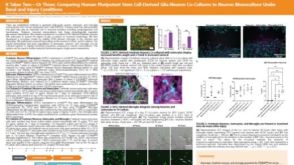 科学海报It Takes Two—Or Three: Comparing Human Pluripotent Stem Cell Derived Glia-Neuron Co-Cultures to Neuron Monoculture Under Basal and Injury Conditions

 沪公网安备31010102008431号