D. M. Gravano et al. (DEC 2016)
Journal of autoimmunity 75 58--67
CD8+ T cells drive autoimmune hematopoietic stem cell dysfunction and bone marrow failure.
Bone marrow (BM) failure syndrome encompasses a group of disorders characterized by BM stem cell dysfunction,resulting in varying degrees of hypoplasia and blood pancytopenia,and in many patients is autoimmune and inflammatory in nature. The important role of T helper 1 (Th1) polarized CD4+ T cells in driving BM failure has been clearly established in several models. However,animal model data demonstrating a functional role for CD8+ T cells in BM dysfunction is largely lacking and our objective was to test the hypothesis that CD8+ T cells play a non-redundant role in driving BM failure. Clinical evidence implicates a detrimental role for CD8+ T cells in BM failure and a beneficial role for Foxp3+ regulatory T cells (Tregs) in maintaining immune tolerance in the BM. We demonstrate that IL-2-deficient mice,which have a deficit in functional Tregs,develop spontaneous BM failure. Furthermore,we demonstrate a critical role for CD8+ T cells in the development of BM failure,which is dependent on the cytokine,IFNgamma$. CD8+ T cells promote hematopoietic stem cell dysfunction and depletion of myeloid lineage progenitor cells,resulting in anemia. Adoptive transfer experiments demonstrate that CD8+ T cells dramatically expedite disease progression and promote CD4+ T cell accumulation in the BM. Thus,BM dysregulation in IL-2-deficient mice is mediated by a Th1 and IFNgamma$-producing CD8+ T cell (Tc1) response.
View Publication
产品类型:
产品号#:
18556
18556RF
产品名:
Kim H-R et al. ( 2016)
Cell & bioscience 6 1 50
Improved hematopoietic differentiation of human pluripotent stem cells via estrogen receptor signaling pathway.
BACKGROUND Aside from its importance in reproduction,estrogen (E2) is known to regulate the proliferation and differentiation of hematopoietic stem cells in rodents. However,the regulatory role of E2 in human hematopoietic system has not been investigated. The purpose of this study is to investigate the effect of E2 on hematopoietic differentiation using human pluripotent stem cells (hPSCs). RESULTS E2 improved hematopoietic differentiation of hPSCs via estrogen receptor alpha (ER-$$)-dependent pathway. During hematopoietic differentiation of hPSCs,ER-$$ is persistently maintained and hematopoietic phenotypes (CD34 and CD45) were exclusively detected in ER-$$ positive cells. Interestingly,continuous E2 signaling is required to promote hematopoietic output from hPSCs. Supplementation of E2 or an ER-$$ selective agonist significantly increased the number of hemangioblasts and hematopoietic progenitors,and subsequent erythropoiesis,whereas ER-$$ selective agonist did not. Furthermore,ICI 182,780 (ER antagonist) completely abrogated the E2-induced hematopoietic augmentation. Not only from hPSCs but also from human umbilical cord bloods,does E2 signaling potentiate hematopoietic development,suggesting universal function of E2 on hematopoiesis. CONCLUSIONS Our study identifies E2 as positive regulator of human hematopoiesis and suggests that endocrine factors such as E2 influence the behavior of hematopoietic stem cells in various physiological conditions.
View Publication
产品类型:
产品号#:
05850
05857
05870
05875
85850
85857
85870
85875
产品名:
mTeSR™1
mTeSR™1
Christ O et al. (SEP 2007)
Haematologica 92 9 1165--72
Improved purification of hematopoietic stem cells based on their elevated aldehyde dehydrogenase activity.
BACKGROUND AND OBJECTIVES: Primitive human hematopoietic cells contain higher levels of aldehyde dehydrogenase (ALDH) activity than their terminally differentiating progeny but the particular stages when ALDH levels change have not been well defined. The objective of this study was to compare ALDH levels among the earliest stages of hematopoietic cell differentiation and to determine whether these could be exploited to obtain improved purity of human cord blood cells with long-term lympho-myeloid repopulating activity in vivo. DESIGN AND METHODS: ALDEFLUOR-stained human cord blood cells displaying different levels of ALDH activity were first analyzed for co-expression of various surface markers. Subsets of these cells were then isolated by multi-parameter flow cytometry and assessed for short-and long-term repopulating activity in sublethally irradiated immunodeficient mice. RESULTS: Most short-term myeloid repopulating cells (STRC-M) and all long-term lympho-myeloid repopulating cells (LTRC-ML) stained selectively as ALDH+. Limiting dilution analysis of the frequencies of both STRC-M and LTRC-ML showed that they were similarly and most highly enriched in the 10% top ALDH+ cells. Removal of cells expressing CD2,CD3,CD7,CD14,CD16,CD24,CD36,CD38,CD56,CD66b,or glycophorin A from the ALDH+ low-density fraction of human cord blood cells with low light side-scattering properties yielded a population containing LTRC-ML at a frequency of 1/360. INTERPRETATION AND CONCLUSION: Elevated ALDH activity is a broadly inclusive property of primitive human cord blood cells that,in combination with other markers,allows easy isolation of the stem cell fraction at unprecedented purities.
View Publication
产品类型:
产品号#:
01700
01705
01702
产品名:
ALDEFLUOR™ 试剂盒
ALDEFLUOR™ DEAB试剂, 1.5 mM, 1 mL
ALDEFLUOR™检测缓冲液
Li Y et al. (MAR 2009)
Blood 113 10 2342--51
Mesenchymal stem/progenitor cells promote the reconstitution of exogenous hematopoietic stem cells in Fancg-/- mice in vivo.
Fanconi anemia (FA) is a heterogeneous genetic disorder characterized by bone marrow failure and complex congenital anomalies. Although mutations in FA genes result in a characteristic phenotype in the hematopoietic stem/progenitor cells (HSPCs),little is known about the consequences of a nonfunctional FA pathway in other stem/progenitor cell compartments. Given the intense functional interactions between HSPCs and the mesenchymal microenvironment,we investigated the FA pathway on the cellular functions of murine mesenchymal stem/progenitor cells (MSPCs) and their interactions with HSPCs in vitro and in vivo. Here,we show that loss of the murine homologue of FANCG (Fancg) results in a defect in MSPC proliferation and in their ability to support the adhesion and engraftment of murine syngeneic HSPCs in vitro or in vivo. Transplantation of wild-type (WT) but not Fancg(-/-) MSPCs into the tibiae of Fancg(-/-) recipient mice enhances the HSPC engraftment kinetics,the BM cellularity,and the number of progenitors per tibia of WT HSPCs injected into lethally irradiated Fancg(-/-) recipients. Collectively,these data show that FA proteins are required in the BM microenvironment to maintain normal hematopoiesis and provide genetic and quantitative evidence that adoptive transfer of WT MSPCs enhances hematopoietic stem cell engraftment.
View Publication
产品类型:
产品号#:
05501
05502
产品名:
A. Caye et al. (jun 2020)
Leukemia 34 6 1658--1668
Despite mutation acquisition in hematopoietic stem cells, JMML-propagating cells are not always restricted to this compartment.
Juvenile myelomonocytic leukemia (JMML) is a rare aggressive myelodysplastic/myeloproliferative neoplasm of early childhood,initiated by RAS-activating mutations. Genomic analyses have recently described JMML mutational landscape; however,the nature of JMML-propagating cells (JMML-PCs) and the clonal architecture of the disease remained until now elusive. Combining genomic (exome,RNA-seq),Colony forming assay and xenograft studies,we detect the presence of JMML-PCs that faithfully reproduce JMML features including the complex/nonlinear organization of dominant/minor clones,both at diagnosis and relapse. Further integrated analysis also reveals that although the mutations are acquired in hematopoietic stem cells,JMML-PCs are not always restricted to this compartment,highlighting the heterogeneity of the disease during the initiation steps. We show that the hematopoietic stem/progenitor cell phenotype is globally maintained in JMML despite overexpression of CD90/THY-1 in a subset of patients. This study shed new lights into the ontogeny of JMML,and the identity of JMML-PCs,and provides robust models to monitor the disease and test novel therapeutic approaches.
View Publication
产品类型:
产品号#:
05445
05448
19849
产品名:
MesenCult™ -ACF Plus培养基
MesenCult™-ACF Plus培养试剂盒
EasySep™小鼠/人嵌合体分选试剂盒
Meng A et al. (SEP 2003)
Cancer research 63 17 5414--9
Ionizing radiation and busulfan induce premature senescence in murine bone marrow hematopoietic cells.
Exposure of murine bone marrow (BM) cells to ionizing radiation (IR; 4 Gy) resulted in textgreater95% inhibition of the frequency of various day types of cobblestone area-forming cells in association with the induction of apoptosis in hematopoietic stem cell alike cells (Lin(-) ScaI(+) c-kit(+) cells; IR: 64.8 +/- 0.4% versus control: 20.4 +/- 0.5%; P textless 0.001) and progenitors (Lin(-) ScaI(-) c-kit(+) cells; IR: 46.2 +/- 1.4% versus control: 7.8 +/- 0.5%; P textless 0.001). Incubation of murine BM cells with busulfan (BU; 30 micro M) for 6 h also inhibited the cobblestone area-forming cell frequency but failed to cause a significant increase in apoptosis in these two types of hematopoietic cells. After 5 weeks of long-term BM cell culture,33% and 72% of hematopoietic cells survived IR- and BU-induced damage,respectively,as compared with control cells,but they could not form colony forming units-granulocyte macrophages. Moreover,these surviving cells expressed an increased level of senescence-associated beta-galactosidase,p16(Ink4a),and p19(Arf). These findings suggest that IR inhibits the function of hematopoietic stem cell alike cells and progenitors primarily by inducing apoptosis,whereas BU does so mainly by inducing premature senescence. In addition,induction of premature senescence in BM hematopoietic cells also contributes to IR-induced inhibition of their hematopoietic function. Interestingly,the induction of hematopoietic cell senescence by IR,but not by BU,was associated with an elevation in p53 and p21(Cip1/Waf1) expression. This suggests that IR induces hematopoietic cell senescence in a p53-p21(Cip1/Waf1)-dependent manner,whereas the induction of senescence by BU bypasses the p53-p21(Cip1/Waf1) pathway.
View Publication
产品类型:
产品号#:
03534
产品名:
MethoCult™ GF M3534
Arai S et al. (JUN 2011)
Blood 117 23 6304--14
Evi-1 is a transcriptional target of mixed-lineage leukemia oncoproteins in hematopoietic stem cells.
Ecotropic viral integration site-1 (Evi-1) is a nuclear transcription factor that plays an essential role in the regulation of hematopoietic stem cells. Aberrant expression of Evi-1 has been reported in up to 10% of patients with acute myeloid leukemia and is a diagnostic marker that predicts a poor outcome. Although chromosomal rearrangement involving the Evi-1 gene is one of the major causes of Evi-1 activation,overexpression of Evi-1 is detected in a subgroup of acute myeloid leukemia patients without any chromosomal abnormalities,which indicates the presence of other mechanisms for Evi-1 activation. In this study,we found that Evi-1 is frequently up-regulated in bone marrow cells transformed by the mixed-lineage leukemia (MLL) chimeric genes MLL-ENL or MLL-AF9. Analysis of the Evi-1 gene promoter region revealed that MLL-ENL activates transcription of Evi-1. MLL-ENL-mediated up-regulation of Evi-1 occurs exclusively in the undifferentiated hematopoietic population,in which Evi-1 particularly contributes to the propagation of MLL-ENL-immortalized cells. Furthermore,gene-expression analysis of human acute myeloid leukemia cases demonstrated the stem cell-like gene-expression signature of MLL-rearranged leukemia with high levels of Evi-1. Our findings indicate that Evi-1 is one of the targets of MLL oncoproteins and is selectively activated in hematopoietic stem cell-derived MLL leukemic cells.
View Publication
产品类型:
产品号#:
03434
03444
产品名:
MethoCult™ GF M3434
MethoCult™ GF M3434
Steffen B et al. (APR 2011)
Blood 117 16 4328--37
AML1/ETO induces self-renewal in hematopoietic progenitor cells via the Groucho-related amino-terminal AES protein.
The most frequent translocation t(8;21) in acute myeloid leukemia (AML) generates the chimeric AML1/ETO protein,which blocks differentiation and induces self-renewal in hematopoietic progenitor cells. The underlying mechanisms mediating AML1/ETO-induced self-renewal are largely unknown. Using expression microarray analysis,we identified the Groucho-related amino-terminal enhancer of split (AES) as a consistently up-regulated AML1/ETO target. Elevated levels of AES mRNA and protein were confirmed in AML1/ETO-expressing leukemia cells,as well as in other AML specimens. High expression of AES mRNA or protein was associated with improved survival of AML patients,even in the absence of t(8;21). On a functional level,knockdown of AES by RNAi in AML1/ETO-expressing cell lines inhibited colony formation. Similarly,self-renewal induced by AML1/ETO in primary murine progenitors was inhibited when AES was decreased or absent. High levels of AES expression enhanced formation of immature colonies,serial replating capacity of primary cells,and colony formation in colony-forming unit-spleen assays. These findings establish AES as a novel AML1/ETO-induced target gene that plays an important role in the self-renewal phenotype of t(8;21)-positive AML.
View Publication
Takeda A et al. (JUL 2006)
Cancer research 66 13 6628--37
NUP98-HOXA9 induces long-term proliferation and blocks differentiation of primary human CD34+ hematopoietic cells.
NUP98-HOXA9,the chimeric protein resulting from the t(7;11)(p15;p15) chromosomal translocation,is a prototype of several NUP98 fusions that occur in myelodysplastic syndromes and acute myeloid leukemia. We examined its effect on differentiation,proliferation,and gene expression in primary human CD34+ hematopoietic cells. Colony-forming cell (CFC) assays in semisolid medium combined with morphologic examination and flow cytometric immunophenotyping revealed that NUP98-HOXA9 increased the numbers of erythroid precursors and impaired both myeloid and erythroid differentiation. In continuous liquid culture,cells transduced with NUP98-HOXA9 exhibited a biphasic growth curve with initial growth inhibition followed by enhanced long-term proliferation,suggesting an increase in the numbers of primitive self-renewing cells. This was confirmed by a dramatic increase in the numbers of long-term culture-initiating cells,the most primitive hematopoietic cells detectable in vitro. To understand the molecular mechanisms underlying the effects of NUP98-HOXA9 on hematopoietic cell proliferation and differentiation,oligonucleotide microarray analysis was done at several time points over 16 days,starting at 6 hours posttransduction. The early growth suppression was preceded by up-regulation of IFNbeta1 and accompanied by marked up-regulation of IFN-induced genes,peaking at 3 days posttransduction. In contrast,oncogenes such as homeobox transcription factors,FLT3,KIT,and WT1 peaked at 8 days or beyond,coinciding with increased proliferation. In addition,several putative tumor suppressors and genes associated with hematopoietic differentiation were repressed at later time points. These findings provide a comprehensive picture of the changes in proliferation,differentiation,and global gene expression that underlie the leukemic transformation of human hematopoietic cells by NUP98-HOXA9.
View Publication
产品类型:
产品号#:
05150
产品名:
MyeloCult™ H5100
S. Korniotis et al. ( 2018)
Frontiers in immunology 9 2007
Hematopoietic Stem/Progenitor Cell Dependent Participation of Innate Lymphoid Cells in Low-Intensity Sterile Inflammation.
Hematopoietic stem/progenitor cells (HSPC) are characterized by their unique capacities of self-renewal and multi-differentiation potential. This second property makes them able to adapt their differentiation profile depending on the local environment they reach. Taking advantage of an animal model of peritonitis,induced by injection of the TLR-2 ligand,zymosan,we sought to study the relationship between bone marrow-derived hematopoietic stem/progenitor cells (BM-HSPCs) and innate lymphoid cells (ILCs) regarding their emergence and differentiation at the site of inflammation. Our results demonstrate that the strength of the inflammatory signals affects the capacity of BM-derived HSPCs to migrate and give rise in situ to ILCs. Both low- and high-dose of zymosan injections trigger the appearance of mature ILCs in the peritoneal cavity where the inflammation occurs. Herein,we show that only in low-dose injected mice,the recovered ILCs are dependent on an in situ differentiation of BM-derived HSPCs and/or ILC2 precursors (ILC2P) wherein high-dose,the stronger inflammatory environment seems to be able to induce the emergence of ILCs independently of BM-derived HSPCs. We suggest that a relationship between HSPCs and ILCs seems to be affected by the strength of the inflammatory stimuli opening new perspectives in the manipulation of these early hematopoietic cells.
View Publication


 EasySep™小鼠TIL(CD45)正选试剂盒




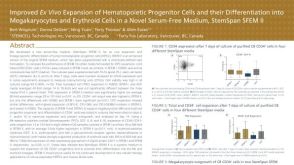 科学海报Hematopoietic Expansion and Differentiation Into Megakaryocytes and Erythroid Cells With StemSpan™ SFEM II
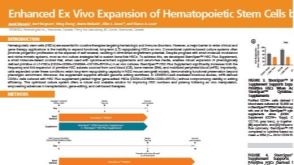 科学海报Enhanced Ex Vivo Expansion of Hematopoietic Stem Cells by a Novel Compound Cocktail
 沪公网安备31010102008431号