Liang Y et al. (APR 2013)
Chinese journal of cancer 32 4 205--12
The propensity for tumorigenesis in human induced pluripotent stem cells is related with genomic instability.
The discovery of induced pluripotent stem cells(iPSCs) is a promising advancement in the field of regenerative medicine. Previous studies have indicated that the teratoma-forming propensity of iPSCs is variable; however,the relationship between tumorigenic potential and genomic instability in human iPSCs (HiPSCs) remains to be fully elucidated. Here,we evaluated the malignant potential of HiPSCs by using both colony formation assays and tumorigenicity tests. We demonstrated that HiPSCs formed tumorigenic colonies when grown in cancer cell culture medium and produced malignancies in immunodeficient mice. Furthermore,we analyzed genomic instability in HiPSCs using whole-genome copy number variation analysis and determined that the extent of genomic instability was related with both the cells' propensity to form colonies and their potential for tumorigenesis. These findings indicate a risk for potential malignancy of HiPSCs derived from genomic instability and suggest that quality control tests,including comprehensive tumorigenicity assays and genomic integrity validation,should be rigorously executed before the clinical application of HiPSCs. In addition,HiPSCs should be generated through the use of combined factors or other approaches that decrease the likelihood of genomic instability.
View Publication
产品类型:
产品号#:
05850
05857
05870
05875
85850
85857
85870
85875
产品名:
mTeSR™1
mTeSR™1
Zhang CC et al. (APR 2008)
Blood 111 7 3415--23
Angiopoietin-like 5 and IGFBP2 stimulate ex vivo expansion of human cord blood hematopoietic stem cells as assayed by NOD/SCID transplantation.
Hematopoietic stem cells (HSCs) are the basis of bone marrow transplantation and are attractive target cells for hematopoietic gene therapy,but these important clinical applications have been severely hampered by difficulties in ex vivo expansion of HSCs. In particular,the use of cord blood for adult transplantation is greatly limited by the number of HSCs. Previously we identified angiopoietin-like proteins and IGF-binding protein 2 (IGFBP2) as new hormones that,together with other factors,can expand mouse bone marrow HSCs in culture. Here,we measure the activity of multipotent human severe combined immunodeficient (SCID)-repopulating cells (SRCs) by transplantation into the nonobese diabetic SCID (NOD/SCID) mice; secondary transplantation was performed to evaluate the self-renewal potential of SRCs. A serum-free medium containing SCF,TPO,and FGF-1 or Flt3-L cannot significantly support expansion of the SRCs present in human cord blood CD133+ cells. Addition of either angiopoietin-like 5 or IGF-binding protein 2 to the cultures led to a sizable expansion of HSC numbers,as assayed by NOD/SCID transplantation. A serum-free culture containing SCF,TPO,FGF-1,angiopoietin-like 5,and IGFBP2 supports an approximately 20-fold net expansion of repopulating human cord blood HSCs,a number potentially applicable to several clinical processes including HSC transplantation.
View Publication
产品类型:
产品号#:
09600
09650
28600
产品名:
StemSpan™ SFEM
StemSpan™ SFEM
L-Calc™有限稀释软件
Stelling MP et al. (MAR 2013)
Glycobiology 23 3 337--345
Matrix-bound heparan sulfate is essential for the growth and pluripotency of human embryonic stem cells
Human embryonic stem (hES) cell production of heparan sulfate influences cell fate and pluripotency. Human ES cells remain pluripotent in vitro through the action of growth factors signaling,and the activity of these factors depends on interaction with specific receptors and also with heparan sulfate. Here,we tested the hypothesis that matrix-associated heparan sulfate is enough to maintain hES cells under low fibroblast growth factor-2 concentration in the absence of live feeder cells. To pursue this goal,we compared hES cells cultured either on coated plates containing live murine embryonic fibroblasts (MEFs) or on a matrix derived from ethanol-fixed MEFs. hES cells were analyzed for the expression of pluripotency markers and the ability to form embryoid bodies. hES cells cultured either on live mouse fibroblasts or onto a matrix derived from fixed fibroblasts expressed similar levels of Oct-4,SOX-2,Nanog,TRA-1-60 and SSEA-4,and they were also able to form cavitated embryoid bodies. Heparan sulfate-depleted matrix lost the ability to support the adherence and growth of hES cells,confirming that this glycosaminoglycan,bound to the extracellular matrix,is enough for the growth and attachment of hES cells. Finally,we observed that the ethanol-fixed matrix decreases by 30% the levels of Neu5Gc in hES cells,indicating that this procedure reduces xeno-contamination. Our data suggest that matrix-bound heparan sulfate is required for the growth and pluripotency of hES cells and that ethanol-fixed MEFs may be used as a live cell"-free substrate for stem cells."
View Publication
产品类型:
产品号#:
05850
05857
05870
05875
85850
85857
85870
85875
产品名:
mTeSR™1
mTeSR™1
Escobedo-Lucea C et al. (MAR 2012)
Stem Cell Reviews and Reports 8 1 170--183
Development of a human extracellular matrix for applications related with stem cells and tissue engineering.
Cortical brain organoid slices (cBOS) for the study of human neural cells in minimal networks
Brain organoids derived from human pluripotent stem cells are a promising tool for studying human neurodevelopment and related disorders. Here,we generated long-term cultures of cortical brain organoid slices (cBOS) grown at the air-liquid interphase from regionalized cortical organoids. We show that cBOS host mature neurons and astrocytes organized in complex architecture. Whole-cell patch-clamp demonstrated subthreshold synaptic inputs and action potential firing of neurons. Spontaneous intracellular calcium signals turned into synchronous large-scale oscillations upon combined disinhibition of NMDA receptors and blocking of GABA A receptors. Brief metabolic inhibition to mimic transient energy restriction in the ischemic brain induced reversible intracellular calcium loading of cBOS. Moreover,metabolic inhibition induced a reversible decline in neuronal ATP as revealed by ATeam1.03 YEMK . Overall,cBOS provide a powerful platform to assess morphological and functional aspects of human neural cells in intact minimal networks and to address the pathways that drive cellular damage during brain ischemia. Subject areas: Neuroscience,Cellular neuroscience,Stem cells research
View Publication
Cell-surface marker signatures for the Isolation of neural stem cells, glia and neurons derived from human pluripotent stem cells
BACKGROUND: Neural induction of human pluripotent stem cells often yields heterogeneous cell populations that can hamper quantitative and comparative analyses. There is a need for improved differentiation and enrichment procedures that generate highly pure populations of neural stem cells (NSC),glia and neurons. One way to address this problem is to identify cell-surface signatures that enable the isolation of these cell types from heterogeneous cell populations by fluorescence activated cell sorting (FACS). METHODOLOGY/PRINCIPAL FINDINGS: We performed an unbiased FACS- and image-based immunophenotyping analysis using 190 antibodies to cell surface markers on naïve human embryonic stem cells (hESC) and cell derivatives from neural differentiation cultures. From this analysis we identified prospective cell surface signatures for the isolation of NSC,glia and neurons. We isolated a population of NSC that was CD184(+)/CD271(-)/CD44(-)/CD24(+) from neural induction cultures of hESC and human induced pluripotent stem cells (hiPSC). Sorted NSC could be propagated for many passages and could differentiate to mixed cultures of neurons and glia in vitro and in vivo. A population of neurons that was CD184(-)/CD44(-)/CD15(LOW)/CD24(+) and a population of glia that was CD184(+)/CD44(+) were subsequently purified from cultures of differentiating NSC. Purified neurons were viable,expressed mature and subtype-specific neuronal markers,and could fire action potentials. Purified glia were mitotic and could mature to GFAP-expressing astrocytes in vitro and in vivo. CONCLUSIONS/SIGNIFICANCE: These findings illustrate the utility of immunophenotyping screens for the identification of cell surface signatures of neural cells derived from human pluripotent stem cells. These signatures can be used for isolating highly pure populations of viable NSC,glia and neurons by FACS. The methods described here will enable downstream studies that require consistent and defined neural cell populations.
View Publication
Wang Y et al. (DEC 2012)
Circulation research 111 12 1494--1503
Genome editing of human embryonic stem cells and induced pluripotent stem cells with zinc finger nucleases for cellular imaging
RATIONALE: Molecular imaging has proven to be a vital tool in the characterization of stem cell behavior in vivo. However,the integration of reporter genes has typically relied on random integration,a method that is associated with unwanted insertional mutagenesis and positional effects on transgene expression.backslashnbackslashnOBJECTIVE: To address this barrier,we used genome editing with zinc finger nuclease (ZFN) technology to integrate reporter genes into a safe harbor gene locus (PPP1R12C,also known as AAVS1) in the genome of human embryonic stem cells and human induced pluripotent stem cells for molecular imaging.backslashnbackslashnMETHODS AND RESULTS: We used ZFN technology to integrate a construct containing monomeric red fluorescent protein,firefly luciferase,and herpes simplex virus thymidine kinase reporter genes driven by a constitutive ubiquitin promoter into a safe harbor locus for fluorescence imaging,bioluminescence imaging,and positron emission tomography imaging,respectively. High efficiency of ZFN-mediated targeted integration was achieved in both human embryonic stem cells and induced pluripotent stem cells. ZFN-edited cells maintained both pluripotency and long-term reporter gene expression. Functionally,we successfully tracked the survival of ZFN-edited human embryonic stem cells and their differentiated cardiomyocytes and endothelial cells in murine models,demonstrating the use of ZFN-edited cells for preclinical studies in regenerative medicine.backslashnbackslashnCONCLUSION: Our study demonstrates a novel application of ZFN technology to the targeted genetic engineering of human pluripotent stem cells and their progeny for molecular imaging in vitro and in vivo.
View Publication
产品类型:
产品号#:
05850
05857
05870
05875
85850
85857
85870
85875
产品名:
mTeSR™1
mTeSR™1
Geng Y and Feng B (JUL 2016)
Heliyon 2 7 e00133
A small molecule-based strategy for endothelial differentiation and three-dimensional morphogenesis from human embryonic stem cells
The emerging models of human embryonic stem cell (hESC) self-organizing organoids provide a valuable in vitro platform for studying self-organizing processes that presumably mimic in vivo human developmental events. Here we report that through a chemical screen,we identified two novel and structurally similar small molecules BIR1 and BIR2 which robustly induced the self-organization of a balloon-shaped three-dimensional structure when applied to two-dimensional adherent hESC cultures in the absence of growth factors. Gene expression analyses and functional assays demonstrated an endothelial identity of this balloon-like structure,while cell surface marker analyses revealed a VE-cadherin+CD31+CD34+KDR+CD43???putative endothelial progenitor population. Furthermore,molecular marker labeling and morphological examinations characterized several other distinct DiI-Ac-LDL+multi-cellular modules and a VEGFR3+sprouting structure in the balloon cultures that likely represented intermediate structures of balloon-formation.
View Publication


 EasySep™小鼠TIL(CD45)正选试剂盒




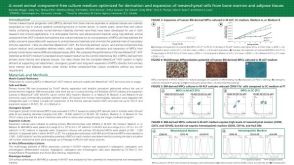 科学海报An Animal Component-Free Chondrogenic Stimulatory Medium for the Efficient Differentiation of Human Mesenchymal Progenitor Cells
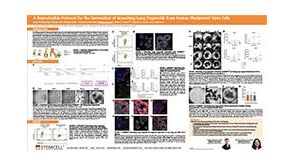 科学海报A Reproducible Protocol for the Generation of Branching Lung Organoids From Human Pluripotent Stem Cells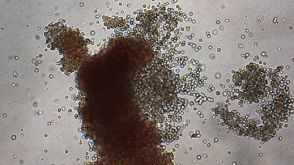


 沪公网安备31010102008431号