Differential outcomes of human cytomegalovirus infection in primitive hematopoietic cell subpopulations.
The cellular reservoir for latent human cytomegalovirus (HCMV) in the hematopoietic compartment,and the mechanisms governing a latent infection and reactivation from latency are unknown. Previous work has demonstrated that HCMV infects CD34+ progenitors and expresses a limited subset of viral genes. The outcome of HCMV infection may depend on the cell subpopulations infected within the heterogeneous CD34+ compartment. We compared HCMV infection in well-defined CD34+ cell subpopulations. HCMV infection inhibited hematopoietic colony formation from CD34+/CD38- but not CD34+/c-kit+ cells. CD34+/CD38- cells transiently expressed a large subset of HCMV genes that were not expressed in CD34+/c-kit+ cells or cells expressing more mature cell surface phenotypes. Although viral genomes were present in infected cells,viral gene expression was undetectable by 10 days after infection. Importantly,viral replication could be reactivated by coculture with permissive fibroblasts only from the CD34+/CD38- population. Strikingly,a subpopulation of CD34+/CD38- cells expressing a stem cell phenotype (lineage-/Thy-1+) supported a productive HCMV infection. These studies demonstrate that the outcome of HCMV infection in the hematopoietic compartment is dependent on the nature of the cell subpopulations infected and that CD34+/CD38- cells support an HCMV infection with the hallmarks of latency.
View Publication
产品类型:
产品号#:
09500
产品名:
BIT 9500血清替代物
H. C. Ketchum et al. (May 2025)
HemaSphere 9 5
TET3 regulates hematopoietic stem cell homeostasis during embryonic and adult hematopoiesis
The ten‐eleven translocation family of enzymes (TET1/2/3) promotes DNA demethylation and is essential for hematopoiesis. While the roles of TET1 and TET2 are well‐studied in hematopoiesis,the requirement of TET3 in embryonic and adult hematopoiesis is less investigated. In this study,by characterizing embryonic and adult hematopoiesis in Tie2 +/cre ; Tet3 f/f mice,we have established a requirement for TET3 in regulating hematopoietic stem cells (HSCs; CD150 + CD48 – ). We found that loss of TET3 in the fetal liver and adult bone marrow causes a reduction in the percent of long‐term HSCs (LT‐HSCs; CD150 + CD48 – CD34 – ). This was accompanied by reduced colony forming capacity of TET3‐deficient HSCs in vitro and reduced contribution of HSCs after a competitive bone marrow transplantation in vivo. TET3 deficiency increased DNA methylation at several cell cycle regulator genes leading to their down regulation. This is consistent with,and likely underpins,the reduced number of quiescent HSCs in TET3‐deficient bone marrow. These findings uncover a new role for TET3 in HSC homeostasis during embryonic and adult hematopoiesis.
View Publication
产品类型:
产品号#:
09600
09650
产品名:
StemSpan™ SFEM
StemSpan™ SFEM
Rodrí et al. (MAY 2004)
Blood 103 9 3349--54
Interleukin-6 deficiency affects bone marrow stromal precursors, resulting in defective hematopoietic support.
Interleukin-6 (IL-6) is a critical factor in the regulation of stromal function and hematopoiesis. In vivo bromodeoxyuridine incorporation analysis indicates that the percentage of Lin(-)Sca-1(+) hematopoietic progenitors undergoing DNA synthesis is diminished in IL-6-deficient (IL-6(-/-)) bone marrow (BM) compared with wild-type BM. Reduced proliferation of IL-6(-/-) BM progenitors is also observed in IL-6(-/-) long-term BM cultures,which show defective hematopoietic support as measured by production of total cells,granulocyte macrophage-colony-forming units (CFU-GMs),and erythroid burst-forming units (BFU-Es). Seeding experiments of wild-type and IL-6(-/-) BM cells on irradiated wild-type or IL-6-deficient stroma indicate that the hematopoietic defect can be attributed to the stromal and not to the hematopoietic component. In IL-6(-/-) BM,stromal mesenchymal precursors,fibroblast CFUs (CFU-Fs),and stroma-initiating cells (SICs) are reduced to almost 50% of the wild-type BM value. Moreover,IL-6(-/-) stromata show increased CD34 and CD49e expression and reduced expression of the membrane antigens vascular cell adhesion molecule-1 (VCAM-1),Sca-1,CD49f,and Thy1. These data strongly suggest that IL-6 is an in vivo growth factor for mesenchymal precursors,which are in part implicated in the reduced longevity of the long-term repopulating stem cell compartment of IL-6(-/-) mice.
View Publication
产品类型:
产品号#:
03534
28600
产品名:
MethoCult™GF M3534
L-Calc™有限稀释软件
Selleri C et al. (MAR 2005)
Blood 105 5 2198--205
Involvement of the urokinase-type plasminogen activator receptor in hematopoietic stem cell mobilization.
We investigated the involvement of the urokinase-type plasminogen-activator receptor (uPAR) in granulocyte-colony-stimulating factor (G-CSF)-induced mobilization of CD34+ hematopoietic stem cells (HSCs) from 16 healthy donors. Analysis of peripheral blood mononuclear cells (PBMNCs) showed an increased uPAR expression after G-CSF treatment in CD33+ myeloid and CD14+ monocytic cells,whereas mobilized CD34+ HSCs remained uPAR negative. G-CSF treatment also induced an increase in serum levels of soluble uPAR (suPAR). Cleaved forms of suPAR (c-suPAR) were released in vitro by PBMNCs and were also detected in the serum of G-CSF-treated donors. c-suPAR was able to chemoattract CD34+ KG1 leukemia cells and CD34+ HSCs,as documented by their in vitro migratory response to a chemotactic suPAR-derived peptide (uPAR84-95). uPAR84-95 induced CD34+ KG1 and CD34+ HSC migration by activating the high-affinity fMet-Leu-Phe (fMLP) receptor (FPR). In addition,uPAR84-95 inhibited CD34+ KG1 and CD34+ HSC in vitro migration toward the stromal-derived factor 1 (SDF1),thus suggesting the heterologous desensitization of its receptor,CXCR4. Finally,uPAR84-95 treatment significantly increased the output of clonogenic progenitors from long-term cultures of CD34+ HSCs. Our findings demonstrate that G-CSF-induced upregulation of uPAR on circulating CD33+ and CD14+ cells is associated with increased uPAR shedding,which leads to the appearance of serum c-suPAR. c-suPAR could contribute to the mobilization of HSCs by promoting their FPR-mediated migration and by inducing CXCR4 desensitization.
View Publication
产品类型:
产品号#:
05150
产品名:
MyeloCult™H5100
Shinkuma S et al. (MAY 2016)
Proceedings of the National Academy of Sciences of the United States of America 113 20 5676--5681
Site-specific genome editing for correction of induced pluripotent stem cells derived from dominant dystrophic epidermolysis bullosa.
Genome editing with engineered site-specific endonucleases involves nonhomologous end-joining,leading to reading frame disruption. The approach is applicable to dominant negative disorders,which can be treated simply by knocking out the mutant allele,while leaving the normal allele intact. We applied this strategy to dominant dystrophic epidermolysis bullosa (DDEB),which is caused by a dominant negative mutation in the COL7A1 gene encoding type VII collagen (COL7). We performed genome editing with TALENs and CRISPR/Cas9 targeting the mutation,c.80688084delinsGA. We then cotransfected Cas9 and guide RNA expression vectors expressed with GFP and DsRed,respectively,into induced pluripotent stem cells (iPSCs) generated from DDEB fibroblasts. After sorting,90% of the iPSCs were edited,and we selected four gene-edited iPSC lines for further study. These iPSCs were differentiated into keratinocytes and fibroblasts secreting COL7. RT-PCR and Western blot analyses revealed gene-edited COL7 with frameshift mutations degraded at the protein level. In addition,we confirmed that the gene-edited truncated COL7 could neither associate with normal COL7 nor undergo triple helix formation. Our data establish the feasibility of mutation site-specific genome editing in dominant negative disorders.
View Publication
产品类型:
产品号#:
85850
85857
产品名:
mTeSR™1
mTeSR™1
N. Camviel et al. (nov 2022)
Journal for immunotherapy of cancer 10 11
Both APRIL and antibody-fragment-based CAR T cells for myeloma induce BCMA downmodulation by trogocytosis and internalization.
BACKGROUND Chimeric antigen receptor (CAR) T cell therapy targeting B cell maturation antigen (BCMA) on multiple myeloma (MM) produces fast but not long-lasting responses. Reasons for treatment failure are poorly understood. CARs simultaneously targeting two antigens may represent an alternative. Here,we (1) designed and characterized novel A proliferation inducing ligand (APRIL) based dual-antigen targeting CARs,and (2) investigated mechanisms of resistance to CAR T cells with three different BCMA-binding moieties (APRIL,single-chain-variable-fragment,heavy-chain-only). METHODS Three new APRIL-CARs were designed and characterized. Human APRIL-CAR T cells were evaluated for their cytotoxic function in vitro and in vivo,for their polyfunctionality,immune synapse formation,memory,exhaustion phenotype and tonic signaling activity. To investigate resistance mechanisms,we analyzed BCMA levels and cellular localization and quantified CAR T cell-target cell interactions by live microscopy. Impact on pathway activation and tumor cell proliferation was assessed in vitro and in vivo. RESULTS APRIL-CAR T cells in a trimeric ligand binding conformation conferred fast but not sustained antitumor responses in vivo in mouse xenograft models. In vitro trimer-BB$\zeta$ CAR T cells were more polyfunctional and formed stronger immune synapses than monomer-BB$\zeta$ CAR T cells. After CAR T cell-myeloma cell contact,BCMA was rapidly downmodulated on target cells with all evaluated binding moieties. CAR T cells acquired BCMA by trogocytosis,and BCMA on MM cells was rapidly internalized. Since BCMA can be re-expressed during progression and persisting CAR T cells may not protect patients from relapse,we investigated whether non-functional CAR T cells play a role in tumor progression. While CAR T cell-MM cell interactions activated BCMA pathway,we did not find enhanced tumor growth in vitro or in vivo. CONCLUSION Antitumor responses with APRIL-CAR T cells were fast but not sustained. Rapid BCMA downmodulation occurred independently of whether an APRIL or antibody-based binding moiety was used. BCMA internalization mostly contributed to this effect,but trogocytosis by CAR T cells was also observed. Our study sheds light on the mechanisms underlying CAR T cell failure in MM when targeting BCMA and can inform the development of improved treatment strategies.
View Publication
Vukovic J et al. (APR 2013)
Journal of Neuroscience 33 15 6603--6613
Immature Doublecortin-Positive Hippocampal Neurons Are Important for Learning But Not for Remembering
It is now widely accepted that hippocampal neurogenesis underpins critical cognitive functions,such as learning and memory. To assess the behavioral importance of adult-born neurons,we developed a novel knock-in mouse model that allowed us to specifically and reversibly ablate hippocampal neurons at an immature stage. In these mice,the diphtheria toxin receptor (DTR) is expressed under control of the doublecortin (DCX) promoter,which allows for specific ablation of immature DCX-expressing neurons after administration of diphtheria toxin while leaving the neural precursor pool intact. Using a spatially challenging behavioral test (a modified version of the active place avoidance test),we present direct evidence that immature DCX-expressing neurons are required for successful acquisition of spatial learning,as well as reversal learning,but are not necessary for the retrieval of stored long-term memories. Importantly,the observed learning deficits were rescued as newly generated immature neurons repopulated the granule cell layer upon termination of the toxin treatment. Repeat (or cyclic) depletion of immature neurons reinstated behavioral deficits if the mice were challenged with a novel task. Together,these findings highlight the potential of stimulating neurogenesis as a means to enhance learning.
View Publication
Al-Ali H et al. (MAY 2013)
ACS chemical biology 8 5 1027--36
Applications for ROCK kinase inhibition.
ROCK kinases,which play central roles in the organization of the actin cytoskeleton,are tantalizing targets for the treatment of human diseases. Deletion of ROCK I in mice revealed a role in the pathophysiological responses to high blood pressure,and validated ROCK inhibition for the treatment of specific types of cardiovascular disease. To date,the only ROCK inhibitor employed clinically in humans is fasudil,which has been used safely in Japan since 1995 for the treatment of cerebral vasospasm. Clinical trials,mostly focusing on the cardiovascular system,have uncovered beneficial effects of fasudil for additional indications. Intriguing recent findings also suggest significant potential for ROCK inhibitors in the production and implantation of stem cells for disease therapies.
View Publication


 EasySep™小鼠TIL(CD45)正选试剂盒




 技术手册Enzymatic Dissociation of Adult Mouse and Rat CNS Tissue Using the NeuroCult™ Enzymatic Dissociation Kit
 产品手册qPCR Arrays for Cell Characterization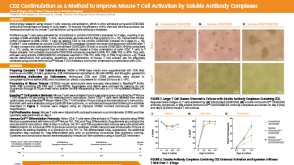

 沪公网安备31010102008431号