S. Cao et al. (mar 2019)
Science advances 5 3 eaav6322
Hybrid nanocarriers incorporating mechanistically distinct drugs for lymphatic CD4+ T cell activation and HIV-1 latency reversal.
A proposed strategy to cure HIV uses latency-reversing agents (LRAs) to reactivate latent proviruses for purging HIV reservoirs. A variety of LRAs have been identified,but none has yet proven effective in reducing the reservoir size in vivo. Nanocarriers could address some major challenges by improving drug solubility and safety,providing sustained drug release,and simultaneously delivering multiple drugs to target tissues and cells. Here,we formulated hybrid nanocarriers that incorporate physicochemically diverse LRAs and target lymphatic CD4+ T cells. We identified one LRA combination that displayed synergistic latency reversal and low cytotoxicity in a cell model of HIV and in CD4+ T cells from virologically suppressed patients. Furthermore,our targeted nanocarriers selectively activated CD4+ T cells in nonhuman primate peripheral blood mononuclear cells as well as in murine lymph nodes,and substantially reduced local toxicity. This nanocarrier platform may enable new solutions for delivering anti-HIV agents for an HIV cure.
View Publication
Albert BJ et al. (AUG 2017)
Scientific reports 7 1 7456
Combinations of isoform-targeted histone deacetylase inhibitors and bryostatin analogues display remarkable potency to activate latent HIV without global T-cell activation.
Current antiretroviral therapy (ART) for HIV/AIDS slows disease progression by reducing viral loads and increasing CD4 counts. Yet ART is not curative due to the persistence of CD4+ T-cell proviral reservoirs that chronically resupply active virus. Elimination of these reservoirs through the administration of synergistic combinations of latency reversing agents (LRAs),such as histone deacetylase (HDAC) inhibitors and protein kinase C (PKC) modulators,provides a promising strategy to reduce if not eradicate the viral reservoir. Here,we demonstrate that largazole and its analogues are isoform-targeted histone deacetylase inhibitors and potent LRAs. Significantly,these isoform-targeted HDAC inhibitors synergize with PKC modulators,namely bryostatin-1 analogues (bryologs). Implementation of this unprecedented LRA combination induces HIV-1 reactivation to unparalleled levels and avoids global T-cell activation within resting CD4+ T-cells.
View Publication
产品号#:
19052
19052RF
17861
产品名:
EasySep™人CD4+ T细胞富集试剂盒
RoboSep™ 人CD4+ T细胞富集试剂盒含滤芯吸头
EasySep™人Pan-CD25正选和去除试剂盒
Huang Y et al. (DEC 2016)
Journal of immunology (Baltimore,Md. : 1950) 197 12 4603--4612
Diversity of Antiviral IgG Effector Activities Observed in HIV-Infected and Vaccinated Subjects.
Diverse Ab effector functions mediated by the Fc domain have been commonly associated with reduced risk of infection in a growing number of nonhuman primate and human clinical studies. This study evaluated the anti-HIV Ab effector activities in polyclonal serum samples from HIV-infected donors,VAX004 vaccine recipients,and healthy HIV-negative subjects using a variety of primary and cell line-based assays,including Ab-dependent cellular cytotoxicity (ADCC),Ab-dependent cell-mediated viral inhibition,and Ab-dependent cellular phagocytosis. Additional assay characterization was performed with a panel of Fc-engineered variants of mAb b12. The goal of this study was to characterize different effector functions in the study samples and identify assays that might most comprehensively and dependably capture Fc-mediated Ab functions mediated by different effector cell types and against different viral targets. Deployment of such assays may facilitate assessment of functionally unique humoral responses and contribute to identification of correlates of protection with potential mechanistic significance in future HIV vaccine studies. Multivariate and correlative comparisons identified a set of Ab-dependent cell-mediated viral inhibition and phagocytosis assays that captured different Ab activities and were distinct from a group of ADCC assays that showed a more similar response profile across polyclonal serum samples. The activities of a panel of b12 monoclonal Fc variants further identified distinctions among the ADCC assays. These results reveal the natural diversity of Fc-mediated Ab effector responses among vaccine recipients in the VAX004 trial and in HIV-infected subjects,and they point to the potential importance of polyfunctional Ab responses.
View Publication
产品号#:
15025
15065
产品名:
RosetteSep™人NK细胞富集抗体混合物
RosetteSep™人NK细胞富集抗体混合物
Vanwalscappel B et al. (NOV 2016)
Virology 500 247--258
Genetic and phenotypic analyses of sequential vpu alleles from HIV-infected IFN-treated patients.
Treatment of HIV-infected patients with IFN-α results in significant,but clinically insufficient,reductions of viremia. IFN induces the expression of several antiviral proteins including BST-2,which inhibits HIV by multiple mechanisms. The viral protein Vpu counteracts different effects of BST-2. We thus asked if Vpu proteins from IFN-treated patients displayed improved anti-BST-2 activities as compared to Vpu from baseline. Deep-sequencing analyses revealed that in five of seven patients treated by IFN-α for a concomitant HCV infection in the absence of antiretroviral drugs,the dominant Vpu sequences differed before and during treatment. In three patients,vpu alleles that emerged during treatment improved virus replication in the presence of IFN-α,and two of them conferred improved virus budding from cells expressing BST-2. Differences were observed for the ability to down-regulate CD4,while all Vpu variants potently down-modulated BST-2 from the cell surface. This report discloses relevant consequences of IFN-treatment on HIV properties.
View Publication
产品号#:
19052
19052RF
85450
85460
86450
86460
产品名:
EasySep™人CD4+ T细胞富集试剂盒
RoboSep™ 人CD4+ T细胞富集试剂盒含滤芯吸头
SepMate™-50 (IVD)
SepMate™-50 (IVD)
SepMate™-50 (RUO)
SepMate™-50 (RUO)
Carroll VA et al. (OCT 2016)
Proceedings of the National Academy of Sciences of the United States of America
Expression of HIV-1 matrix protein p17 and association with B-cell lymphoma in HIV-1 transgenic mice.
HIV-1 infection is associated with increased risk for B-cell lymphomas. How HIV infection promotes the development of lymphoma is unclear,but it may involve chronic B-cell activation,inflammation,and/or impaired immunity,possibly leading to a loss of control of oncogenic viruses and reduced tumor immunosurveillance. We hypothesized that HIV structural proteins may contribute to lymphomagenesis directly,because they can persist long term in lymph nodes in the absence of viral replication. The HIV-1 transgenic mouse Tg26 carries a noninfectious HIV-1 provirus lacking part of the gag-pol region,thus constituting a model for studying the effects of viral products in pathogenesis. Approximately 15% of Tg26 mice spontaneously develop leukemia/lymphoma. We investigated which viral proteins are associated with the development of leukemia/lymphoma in the Tg26 mouse model,and performed microarray analysis on RNA from spleen and lymph nodes to identify potential mechanisms of lymphomagenesis. Of the viral proteins examined,only expression of HIV-1 matrix protein p17 was associated with leukemia/lymphoma development and was highly expressed in bone marrow before disease. The tumor cells resembled pro-B cells,and were CD19(+)IgM(-)IgD(-)CD93(+)CD43(+)CD21(-)CD23(-)VpreB(+)CXCR4(+) Consistent with the pro-B-cell stage of B-cell development,microarray analysis revealed enrichment of transcripts,including Rag1,Rag2,CD93,Vpreb1,Vpreb3,and Igll1 We confirmed RAG1 expression in Tg26 tumors,and hypothesized that HIV-1 matrix protein p17 may directly induce RAG1 in B cells. Stimulation of human activated B cells with p17 enhanced RAG1 expression in three of seven donors,suggesting that intracellular signaling by p17 may lead to genomic instability and transformation.
View Publication
产品号#:
19054
19054RF
17963
17963RF
产品名:
EasySep™人B细胞富集试剂盒
RoboSep™ 人B细胞富集试剂盒含滤芯吸头
EasySep™人B细胞富集试剂盒II(不去除CD43)
RoboSep™ 人B细胞富集试剂盒II(不去除CD43)
Godinho-Santos A et al. ( 2016)
Scientific reports 6 30927
CIB1 and CIB2 are HIV-1 helper factors involved in viral entry.
HIV-1 relies on the host-cell machinery to accomplish its replication cycle,and characterization of these helper factors contributes to a better understanding of HIV-host interactions and can identify potential novel antiviral targets. Here we explored the contribution of CIB2,previously identified by RNAi screening as a potential helper factor,and its homolog,CIB1. Knockdown of either CIB1 or CIB2 strongly impaired viral replication in Jurkat cells and in primary CD4+ T-lymphocytes,identifying these proteins as non-redundant helper factors. Knockdown of CIB1 and CIB2 impaired envelope-mediated viral entry for both for X4- and R5-tropic HIV-1,and both cell-free and cell-associated entry pathways were affected. In contrast,the level of CIB1 and CIB2 expression did not influence cell viability,cell proliferation,receptor-independent viral binding to the cell surface,or later steps in the viral replication cycle. CIB1 and CIB2 knockdown was found to reduce the expression of surface molecules implicated in HIV-1 infection,including CXCR4,CCR5 and integrin α4β7,suggesting at least one mechanism through which these proteins promote viral infection. Thus,this study identifies CIB1 and CIB2 as host helper factors for HIV-1 replication that are required for optimal receptor-mediated viral entry.
View Publication
产品号#:
19052
19052RF
15470
15450
15420
15460
15425
15465
15430
15415
产品名:
EasySep™人CD4+ T细胞富集试剂盒
RoboSep™ 人CD4+ T细胞富集试剂盒含滤芯吸头
Hrecka K et al. (JUL 2016)
Proceedings of the National Academy of Sciences of the United States of America 113 27 E3921--30
HIV-1 and HIV-2 exhibit divergent interactions with HLTF and UNG2 DNA repair proteins.
HIV replication in nondividing host cells occurs in the presence of high concentrations of noncanonical dUTP,apolipoprotein B mRNA-editing,enzyme-catalytic,polypeptide-like 3 (APOBEC3) cytidine deaminases,and SAMHD1 (a cell cycle-regulated dNTP triphosphohydrolase) dNTPase,which maintains low concentrations of canonical dNTPs in these cells. These conditions favor the introduction of marks of DNA damage into viral cDNA,and thereby prime it for processing by DNA repair enzymes. Accessory protein Vpr,found in all primate lentiviruses,and its HIV-2/simian immunodeficiency virus (SIV) SIVsm paralogue Vpx,hijack the CRL4(DCAF1) E3 ubiquitin ligase to alleviate some of these conditions,but the extent of their interactions with DNA repair proteins has not been thoroughly characterized. Here,we identify HLTF,a postreplication DNA repair helicase,as a common target of HIV-1/SIVcpz Vpr proteins. We show that HIV-1 Vpr reprograms CRL4(DCAF1) E3 to direct HLTF for proteasome-dependent degradation independent from previously reported Vpr interactions with base excision repair enzyme uracil DNA glycosylase (UNG2) and crossover junction endonuclease MUS81,which Vpr also directs for degradation via CRL4(DCAF1) E3. Thus,separate functions of HIV-1 Vpr usurp CRL4(DCAF1) E3 to remove key enzymes in three DNA repair pathways. In contrast,we find that HIV-2 Vpr is unable to efficiently program HLTF or UNG2 for degradation. Our findings reveal complex interactions between HIV-1 and the DNA repair machinery,suggesting that DNA repair plays important roles in the HIV-1 life cycle. The divergent interactions of HIV-1 and HIV-2 with DNA repair enzymes and SAMHD1 imply that these viruses use different strategies to guard their genomes and facilitate their replication in the host.
View Publication
产品号#:
19052
19052RF
19051
19051RF
产品名:
EasySep™人CD4+ T细胞富集试剂盒
RoboSep™ 人CD4+ T细胞富集试剂盒含滤芯吸头
EasySep™人T细胞富集试剂盒
RoboSep™ 人T细胞富集试剂盒含滤芯吸头
Apps R et al. (MAY 2016)
Cell Host & Microbe 19 5 686--95
HIV-1 Vpu Mediates HLA-C Downregulation.
Many pathogens evade cytotoxic T lymphocytes (CTLs) by downregulating HLA molecules on infected cells,but the loss of HLA can trigger NK cell-mediated lysis. HIV-1 is thought to subvert CTLs while preserving NK cell inhibition by Nef-mediated downregulation of HLA-A and -B but not HLA-C molecules. We find that HLA-C is downregulated by most primary HIV-1 clones,including transmitted founder viruses,in contrast to the laboratory-adapted NL4-3 virus. HLA-C reduction is mediated by viral Vpu and reduces the ability of HLA-C restricted CTLs to suppress viral replication in CD4+ cells in vitro. HLA-A/B are unaffected by Vpu,and primary HIV-1 clones vary in their ability to downregulate HLA-C,possibly in response to whether CTLs or NK cells dominate immune pressure through HLA-C. HIV-2 also suppresses HLA-C expression through distinct mechanisms,underscoring the immune pressure HLA-C exerts on HIV. This viral immune evasion casts new light on the roles of CTLs and NK cells in immune responses against HIV.
View Publication


 EasySep™小鼠TIL(CD45)正选试剂盒




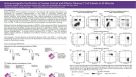 科学海报Immunomagnetic Purification of Human Central and Effector Memory T Cell Subsets in 45 Minutes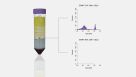

 沪公网安备31010102008431号