Nguyen KD et al. (NOV 2009)
American journal of respiratory and critical care medicine 180 9 823--33
Impaired IL-10-dependent induction of tolerogenic dendritic cells by CD4+CD25hiCD127lo/- natural regulatory T cells in human allergic asthma.
RATIONALE: Tolerogenic dendritic cells and natural regulatory T cells have been implicated in the process of infectious tolerance in human allergic asthma. However,the significance of the influence of natural regulatory T cells on tolerogenic dendritic cells in the disease has not been investigated. OBJECTIVES: We aimed to characterize the mechanism of induction of the tolerogenic phenotype in circulating blood dendritic cells by allergic asthmatic natural regulatory T cells. METHODS: The study was performed in a cohort of 21 subjects with allergic asthma,21 healthy control subjects,and 21 subjects with nonallergic asthma. We cultured blood dendritic cells with natural regulatory T cells to study the induction of tolerogenic dendritic cells. Flow cytometry and proliferation assays were employed to analyze phenotype and function of dendritic cells as well as IL-10 production from natural regulatory T cells. MEASUREMENTS AND MAIN RESULTS: Dendritic cells cultured with natural regulatory T cells up-regulated IL-10,down-regulated costimulatory molecules,and stimulated the proliferation of CD4(+)CD25(-) effector T cells less potently. Allergic asthmatic natural regulatory T cells were significantly less efficient in inducing this tolerogenic phenotype of dendritic cells compared with healthy control and nonallergic asthmatic counterparts. Furthermore,this defective function of natural regulatory T cells was associated with their decreased IL-10 expression,disease severity,and could be reversed by oral corticosteroid therapy. CONCLUSIONS: These results provided the first evidences of impaired induction of tolerogenic dendritic cells mediated by natural regulatory T cells in human allergic asthma.
View Publication
产品号#:
15022
15062
产品名:
RosetteSep™人CD4+ T细胞富集抗体混合物
RosetteSep™人CD4+ T细胞富集抗体混合物
Kolly L et al. (SEP 2009)
Journal of immunology (Baltimore,Md. : 1950) 183 6 4003--12
Inflammatory role of ASC in antigen-induced arthritis is independent of caspase-1, NALP-3, and IPAF.
Because IL-1beta plays an important role in inflammation in human and murine arthritis,we investigated the contribution of the inflammasome components ASC,NALP-3,IPAF,and caspase-1 to inflammatory arthritis. We first studied the phenotype of ASC-deficient and wild-type mice during Ag-induced arthritis (AIA). ASC(-/-) mice showed reduced severity of AIA,decreased levels of synovial IL-1beta,and diminished serum amyloid A levels. In contrast,mice deficient in NALP-3,IPAF,or caspase-1 did not show any alteration of joint inflammation,thus indicating that ASC associated effects on AIA are independent of the classical NALP-3 or IPAF inflammasomes. Because ASC is a ubiquitous cytoplasmic protein that has been implicated in multiple cellular processes,we explored other pathways through which ASC may modulate inflammation. Ag-specific proliferation of lymph node and spleen cells from ASC-deficient mice was significantly decreased in vitro,as was the production of IFN-gamma,whereas IL-10 production was enhanced. TCR ligation by anti-CD3 Abs in the presence or absence of anti-CD28 Abs induced a reduction in T cell proliferation in ASC(-/-) T cells compared with wild-type ones. In vivo lymph node cell proliferation was also significantly decreased in ASC(-/-) mice,but no effects on apoptosis were observed either in vitro or in vivo in these mice. In conclusion,these results strongly suggest that ASC modulates joint inflammation in AIA through its effects on cell-mediated immune responses but not via its implication in inflammasome formation.
View Publication
产品号#:
19751
19751RF
产品名:
Wagner MJ and Smiley JR (DEC 2009)
Journal of virology 83 23 12452--61
Herpes simplex virus requires VP11/12 to induce phosphorylation of the activation loop tyrosine (Y394) of the Src family kinase Lck in T lymphocytes.
Herpes simplex virus (HSV) tegument proteins are released into the cytoplasm during viral entry and hence are among the first viral proteins encountered by an infected cell. Despite the implied importance of these proteins in the evasion of host defenses,the function of some,like virion protein 11/12 (VP11/12),have not been clearly defined. Previously,we reported that VP11/12 is strongly tyrosine phosphorylated during the infection of lymphocytes but not in fibroblasts or an epithelial cell line (G. Zahariadis,M. J. Wagner,R. C. Doepker,J. M. Maciejko,C. M. Crider,K. R. Jerome,and J. R. Smiley,J. Virol. 82:6098-6108,2008). We also showed that tyrosine phosphorylation depends in part on the activity of the lymphocyte-specific Src family kinase (SFK) Lck in Jurkat T cells. These data suggested that VP11/12 is a substrate of Lck and that Lck is activated during HSV infection. Here,we show that HSV infection markedly increases the fraction of Lck phosphorylated on its activation loop tyrosine (Y394),a feature characteristic of activated Lck. A previous report implicated the immediate-early protein ICP0 and the viral serine/threonine kinases US3 and UL13 in the induction of a similar activated phenotype of SFKs other than Lck in fibroblasts and suggested that ICP0 interacts directly with SFKs through their SH3 domain. However,we were unable to detect an interaction between ICP0 and Lck in T lymphocytes,and we show that ICP0,US3,and UL13 are not strictly required for Lck activation. In contrast,VP11/12 interacted with Lck or Lck signaling complexes and was strictly required for Lck activation during HSV infection. Thus,VP11/12 likely modulates host cell signaling pathways for the benefit of the virus.
View Publication
产品号#:
15023
15063
产品名:
RosetteSep™人CD8+ T细胞富集抗体混合物
RosetteSep™人CD8+ T细胞富集抗体混合物
Yu J et al. (JAN 2010)
Blood 115 2 274--81
CD94 surface density identifies a functional intermediary between the CD56bright and CD56dim human NK-cell subsets.
Human CD56(bright) natural killer (NK) cells possess little or no killer immunoglobulin-like receptors (KIRs),high interferon-gamma (IFN-gamma) production,but little cytotoxicity. CD56(dim) NK cells have high KIR expression,produce little IFN-gamma,yet display high cytotoxicity. We hypothesized that,if human NK maturation progresses from a CD56(bright) to a CD56(dim) phenotype,an intermediary NK cell must exist,which demonstrates more functional overlap than these 2 subsets,and we used CD94 expression to test our hypothesis. CD94(high)CD56(dim) NK cells express CD62L,CD2,and KIR at levels between CD56(bright) and CD94(low)CD56(dim) NK cells. CD94(high)CD56(dim) NK cells produce less monokine-induced IFN-gamma than CD56(bright) NK cells but much more than CD94(low)CD56(dim) NK cells because of differential interleukin-12-mediated STAT4 phosphorylation. CD94(high)CD56(dim) NK cells possess a higher level of granzyme B and perforin expression and CD94-mediated redirected killing than CD56(bright) NK cells but lower than CD94(low)CD56(dim) NK cells. Collectively,our data suggest that the density of CD94 surface expression on CD56(dim) NK cells identifies a functional and likely developmental intermediary between CD56(bright) and CD94(low)CD56(dim) NK cells. This supports the notion that,in vivo,human CD56(bright) NK cells progress through a continuum of differentiation that ends with a CD94(low)CD56(dim) phenotype.
View Publication
产品号#:
15025
15065
产品名:
RosetteSep™人NK细胞富集抗体混合物
RosetteSep™人NK细胞富集抗体混合物
Crabé et al. (DEC 2009)
Journal of immunology (Baltimore,Md. : 1950) 183 12 7692--702
The IL-27 p28 subunit binds cytokine-like factor 1 to form a cytokine regulating NK and T cell activities requiring IL-6R for signaling.
IL-27 is formed by the association of a cytokine subunit,p28,with the soluble cytokine receptor EBV-induced gene 3 (EBI3). The IL-27R comprises gp130 and WSX-1. The marked difference between EBI3(-/-) and WSX-1(-/-) mice suggests that p28 has functions independent of EBI3. We have identified an alternative secreted complex formed by p28 and the soluble cytokine receptor cytokine-like factor 1 (CLF). Like IL-27,p28/CLF is produced by dendritic cells and is biologically active on human NK cells,increasing IL-12- and IL-2-induced IFN-gamma production and activation marker expression. Experiments with Ba/F3 transfectants indicate that p28/CLF activates cells expressing IL-6Ralpha in addition to the IL-27R subunits. When tested on CD4 and CD8 T cells,p28/CLF induces IL-6Ralpha-dependent STAT1 and STAT3 phosphorylation. Furthermore,p28/CLF inhibits CD4 T cell proliferation and induces IL-17 and IL-10 secretion. These results indicate that p28/CLF may participate in the regulation of NK and T cell functions by dendritic cells. The p28/CLF complex engages IL-6R and may therefore be useful for therapeutic applications targeting cells expressing this receptor. Blocking IL-6R using humanized mAbs such as tocilizumab has been shown to be beneficial in pathologies like rheumatoid arthritis and juvenile idiopathic arthritis. The identification of a new IL-6R ligand is therefore important for a complete understanding of the mechanism of action of this emerging class of immunosuppressors.
View Publication
产品号#:
19752
19752RF
产品名:
Reeves EP et al. (FEB 2010)
Journal of immunology (Baltimore,Md. : 1950) 184 3 1642--52
IL-8 dictates glycosaminoglycan binding and stability of IL-18 in cystic fibrosis.
Dysregulation of airway inflammation contributes to lung disease in cystic fibrosis (CF). Inflammation is mediated by inflammatory cytokines,including IL-8,which illustrates an increase in biological half-life and proinflammatory activity when bound to glycosaminoglycans (GAGs). The aim of this project was to compare IL-8 and IL-18 for their relative stability,activity,and interaction with GAGs,including chondroitin sulfate,hyaluronic acid,and heparan sulfate,present in high quantities in the lungs of patients with CF. Bronchoalveolar lavage fluid was collected from patients with CF (n = 28),non-CF controls (n = 14),and patients with chronic obstructive pulmonary disease (n = 12). Increased levels of IL-8 and reduced concentrations of IL-18 were detected in bronchial samples obtained from CF individuals. The low level of IL-18 was not a defect in IL-18 production,as the pro- and mature forms of the molecule were expressed and produced by CF epithelial cells and monocytes. There was,however,a marked competition between IL-8 and IL-18 for binding to GAGs. A pronounced loss of IL-18 binding capacity occurred in the presence of IL-8,which displaced IL-18 from these anionic-matrices,rendering the cytokine susceptible to proteolytic degradation by neutrophil elastase. As a biological consequence of IL-18 degradation,reduced levels of IL-2 were secreted by Jurkat T lymphocytes. In conclusion,a novel mechanism has been identified highlighting the potential of IL-8 to determine the fate of other inflammatory molecules,such as IL-18,within the inflammatory milieu of the CF lung.
View Publication
产品号#:
18058
18058RF
产品名:
Song Z et al. (JAN 2010)
Clinical cancer research : an official journal of the American Association for Cancer Research 16 2 587--99
Activities of SYK and PLCgamma2 predict apoptotic response of CLL cells to SRC tyrosine kinase inhibitor dasatinib.
PURPOSE: B-cell receptor signaling plays an important role in the pathogenesis of chronic lymphocytic leukemia (CLL). However,blocking B-cell receptor signaling with dasatinib,an inhibitor of SRC kinase,produced variable results in preclinical and clinical studies. We aim to define the molecular mechanisms underlying the differential dasatinib sensitivity and to uncover more effective therapeutic targets in CLL. EXPERIMENTAL DESIGN: Fresh CLL B cells were treated with dasatinib,and cell viability was followed. The CLL cases were then divided into good and poor responders. The cellular response was correlated with the activities of B-cell receptor signaling molecules,as well as with molecular and cytogenetic prognostic factors. RESULTS: Among 50 CLL cases,dasatinib treatment reduced cell viability by 2% to 90%,with an average reduction of 47% on day 4 of culture. The drug induced CLL cell death through the intrinsic apoptotic pathway mediated by reactive oxygen species. Unexpectedly,phosphorylation of SRC family kinases was inhibited by dasatinib in good,as well as poor,responders. As opposed to SRC family kinases,activities of two downstream molecules,SYK and phospholipase Cgamma2,correlate well with the apoptotic response of CLL cells to dasatinib. CONCLUSIONS: Thus,SYK inhibition predicts cellular response to dasatinib. SYK,together with phospholipase Cgamma2,may serve as potential biomarkers to predict dasatinib therapeutic response in patients. From the pathogenic perspective,our study suggests the existence of alternative mechanisms or pathways that activate SYK,independent of SRC kinase activities. The study further implicates that SYK might serve as a more effective therapeutic target in CLL treatment.
View Publication
Lambrianides A et al. (JUN 2010)
Journal of immunology (Baltimore,Md. : 1950) 184 12 6622--8
Effects of polyclonal IgG derived from patients with different clinical types of the antiphospholipid syndrome on monocyte signaling pathways.
A major mechanism of hypercoagulability in the antiphospholipid syndrome (APS) is antiphospholipid Ab-mediated upregulation of tissue factor (TF) on monocytes via activation of TLRs,p38 MAPK,and NF-kappaB pathways. We examined whether monocyte signaling pathways are differentially activated by IgG from patients with vascular thrombosis (VT) alone compared with IgG from patients with pregnancy morbidity (PM) alone. We purified IgG from 49 subjects. A human monocyte cell line and ex vivo healthy monocytes were treated with 100 microg/ml IgG for 6 h,and cell extracts were examined by immunoblot using Abs to p38 MAPK and NF-kappaB. To further investigate intracellular signaling pathways induced by these IgGs,specific inhibitors of p38 MAPK,NF-kappaB,TLR4,and TLR2 were used to determine their effect on TF activity. Only IgG from patients with VT but no PM (VT+/PM-) caused phosphorylation of NF-kappaBand p38 MAPK and upregulation of TF activity in monocytes. These effects were not seen with IgG from patients with PM alone (VT-/PM+),anti-phospholipid Ab-positive patients without APS,or healthy controls. TF upregulation caused by the VT+/PM- samples was reduced by inhibitors of p38 MAPK,NF-kappaB,and TLR4. The effects of VT+/PM- IgG on signaling and TF upregulation were concentrated in the fraction that bound beta-2-glycoprotein I. Our findings demonstrate that IgGs from patients with diverse clinical manifestations of APS have differential effects upon phosphorylation of NF-kappaB and p38 MAPK and TF activity that may be mediated by differential activation of TLR4.
View Publication
产品号#:
18058
18058RF
产品名:
Krummen M et al. (JUL 2010)
Journal of leukocyte biology 88 1 189--99
Release of IL-12 by dendritic cells activated by TLR ligation is dependent on MyD88 signaling, whereas TRIF signaling is indispensable for TLR synergy.
Recently,it has been shown that certain combinations of TLR ligands act in synergy to induce the release of IL-12 by DCs. In this study,we sought to define the critical parameters underlying TLR synergy. Our data show that TLR ligands act synergistically if MyD88- and TRIF-dependent ligands are combined. TLR4 uses both of these adaptor molecules,thus activation via TLR4 proved to be a synergistic event on its own. TLR synergy did not affect all aspects of DC activation but enhanced primarily the release of certain cytokines,particularly IL-12,whereas the expression of costimulatory molecules remained unchanged. Consequently,synergistic activation of DC did not affect their ability to induce T cell proliferation but resulted in T(H)1-biased responses in vitro and in vivo. Furthermore,we examined the impact of TLR ligand combinations on primary DC in vitro but observed only modest effects with a combination of CpG + Poly (I:C). However,noticeable synergy in terms of IL-12 production by DCs was detectable in vivo after systemic administration of CpG + Poly (I:C). Finally,we show that synergy is partially dependent on IFNAR signaling but does not require the release of IFNs to the enviroment,suggesting an autocrine action of type I IFNs.
View Publication
产品号#:
18752
18752RF
21000
20119
20155
18758
18758RF
18768
18768RF
产品名:
RoboSep™- S
RoboSep™ 吸头组件抛光剂
RoboSep™分选管套装(9个塑料管)
Mian MF et al. (JUL 2010)
Molecular therapy : the journal of the American Society of Gene Therapy 18 7 1379--88
FimH can directly activate human and murine natural killer cells via TLR4.
Although the importance of natural killer (NK) cells in innate immune responses against tumors or viral infections are well documented,their ability to directly recognize pathogens is less well defined. We have recently reported FimH,a bacterial fimbrial protein,as a novel Toll-like receptor (TLR)4 ligand that potently induces antiviral responses. Here,we investigated whether FimH either directly or indirectly can activate human and murine NK cells. We demonstrate that FimH potently activates both human and murine NK cells in vitro to induce cytokines [interferon (IFN)-gamma and tumor necrosis factor (TNF)-alpha] and cytotoxicity. Importantly,NK cells directly recognize FimH-expressing pathogens as FimH(+),but not FimH(-),bacteria were able to activate human NK cells. FimH activation of NK cells required TLR4 and MyD88 signaling,as NK cells from both TLR4(-/-) and MyD88(-/-) mice as well as human NK-92 cells,which lack TLR4,were all unresponsive to FimH. In addition,TLR4 neutralization significantly abrogated the response of human NK cells to FimH. Activation of purified NK cells by FimH was independent of lipopolysaccharide (LPS) or other bacterial contaminations. These data demonstrate for the first time that highly purified NK cells directly recognize and respond to FimH via TLR4-MyD88 pathways to aid innate protection against cancer or microbial infections.
View Publication
产品号#:
19055
19055RF
产品名:
EasySep™人NK细胞富集试剂盒
RoboSep™ 人NK细胞富集试剂盒含滤芯吸头
Crane CA et al. (JAN 2010)
Neuro-oncology 12 1 7--13
TGF-beta downregulates the activating receptor NKG2D on NK cells and CD8+ T cells in glioma patients.
The activating receptor NKG2D,expressed by natural killer (NK) cells and CD8(+) T cells,has a role in the specific killing of transformed cells. We examined NKG2D expression in patients with glioblastoma multiforme and found that NKG2D was downregulated on NK cells and CD8(+) T cells. Expression of NKG2D on lymphocytes significantly increased following tumor resection and correlated with an increased ability to kill NKG2D ligand-positive tumor targets. Despite the presence of soluble NKG2D ligands in the sera of glioblastoma patients,NKG2D downregulation was primarily caused by tumor-derived tumor growth factor-beta,suggesting that blocking of this cytokine may have therapeutic benefit.
View Publication


 EasySep™小鼠TIL(CD45)正选试剂盒




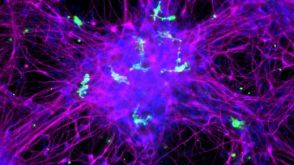 实验方案How to Co-Culture Human Pluripotent Stem Cell (hPSC)-Derived Forebrain Neurons and Microglia
 沪公网安备31010102008431号