Doreau A et al. (JUL 2009)
Nature immunology 10 7 778--85
Interleukin 17 acts in synergy with B cell-activating factor to influence B cell biology and the pathophysiology of systemic lupus erythematosus.
Studies have suggested involvement of interleukin 17 (IL-17) in autoimmune diseases,although its effect on B cell biology has not been clearly established. Here we demonstrate that IL-17 alone or in combination with B cell-activating factor controlled the survival and proliferation of human B cells and their differentiation into immunoglobulin-secreting cells. This effect was mediated mainly through the nuclear factor-kappaB-regulated transcription factor Twist-1. In support of the relevance of our observations and the potential involvement of IL-17 in B cell biology,we found that the serum of patients with systemic lupus erythematosus had higher concentrations of IL-17 than did the serum of healthy people and that IL-17 abundance correlated with the disease severity of systemic lupus erythematosus.
View Publication
产品号#:
18054
18054RF
产品名:
Romieu-Mourez R et al. (JUN 2009)
Journal of immunology (Baltimore,Md. : 1950) 182 12 7963--73
Cytokine modulation of TLR expression and activation in mesenchymal stromal cells leads to a proinflammatory phenotype.
Bone marrow-derived mesenchymal stromal cells (MSC) possess an immune plasticity manifested by either an immunosuppressive or,when activated with IFN-gamma,an APC phenotype. Herein,TLR expression by MSC and their immune regulatory role were investigated. We observed that human MSC and macrophages expressed TLR3 and TLR4 at comparable levels and TLR-mediated activation of MSC resulted in the production of inflammatory mediators such as IL-1beta,IL-6,IL-8/CXCL8,and CCL5. IFN-alpha or IFN-gamma priming up-regulated production of these inflammatory mediators and expression of IFNB,inducible NO synthase (iNOS),and TRAIL upon TLR activation in MSC and macrophages,but failed to induce IL-12 and TNF-alpha production in MSC. Nonetheless,TLR activation in MSC resulted in the formation of an inflammatory site attracting innate immune cells,as evaluated by human neutrophil chemotaxis assays and by the analysis of immune effectors retrieved from Matrigel-embedded MSC injected into mice after in vitro preactivation with cytokines and/or TLR ligands. Hence,TLR-activated MSC are capable of recruiting immune inflammatory cells. In addition,IFN priming combined with TLR activation may increase immune responses induced by Ag-presenting MSC through presentation of Ag in an inflammatory context,a mechanism that could be applied in a cell-based vaccine.
View Publication
产品号#:
19257
19257RF
产品名:
Esensten JH et al. (JUL 2009)
Journal of immunology (Baltimore,Md. : 1950) 183 1 75--82
T-bet-deficient NOD mice are protected from diabetes due to defects in both T cell and innate immune system function.
The transcription factor T-bet (Tbx21) is critical for Th1 polarization of CD4(+) T cells. Genetic deletion of Tbx21 can cause either exacerbation or attenuation of different autoimmune diseases in animal models. In the nonobese diabetic (NOD) mouse,genetic deletion of the Ifng or the Il12b (IL-12p40) genes,which are both critical Th1 cytokines,does not reduce the incidence of autoimmune diabetes. These results suggest that autoimmune diabetes in the NOD may not be a Th1-driven disease. However,we report that Tbx21 deficiency in the NOD mouse completely blocks insulitis and diabetes due to defects both in the initiation of the anti-islet immune response and in the function of CD4(+) effector T cells. We find defective priming of naive islet-reactive T cells by the innate immune system in Tbx21(-/-) animals. By contrast to naive cells,activated islet-reactive BDC2.5 TCR-transgenic T cells do not require Tbx21 in recipient animals for efficient adoptive transfer of diabetes. However,when these BDC2.5 TCR-transgenic effector cells lack Tbx21,they are less effective at entering the pancreas and promoting diabetes than Tbx21(+/+) cells. Tbx21(-/-) regulatory T cells function normally in vitro and diabetes can be restored in Tbx21(-/-) mice by reducing regulatory T cell numbers. Thus,the absence of diabetes in the NOD.Tbx21(-/-) is due to intrinsic defects in both T cells and cells of the innate immune system paired with the relative preservation of regulatory T cell function.
View Publication


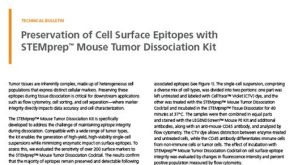
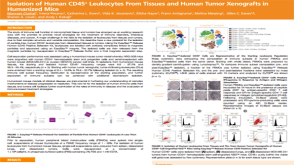
 EasySep™小鼠TIL(CD45)正选试剂盒




 技术公告Achieve Scalable, High-Quality Nucleic Acid Extractions with the EasySep™ Total Nucleic Acid Extraction Kit
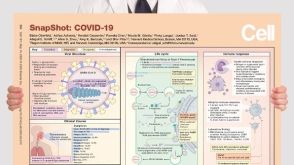 挂图SnapShot: COVID-19 Overview of the life cycle, viral structure, and human immune response to SARS-CoV-2





 沪公网安备31010102008431号