Armengol Lopez S et al. (JAN 2012)
International journal of vascular medicine 2012 942512
The oxidative state of chylomicron remnants influences their modulation of human monocyte activation.
Chylomicron remnants (CMRs) contribute directly to human monocyte activation in vitro,by increasing reactive oxygen species (ROS) production and cell migration. In this study,the effects of the oxidative state of CMR on the degree of monocyte activation was investigated. CMR-like particles (CRLPs) were prepared in three different oxidative states,normal (CRLPs),protected from oxidation by incorporation of the antioxidant,probucol (pCRLPs),or oxidised with CuSO(4) (oxCRLPs). Lipid accumulation and ROS production were significantly increased in primary human monocytes incubated with CRLPs,whilst secretion on monocyte chemoattractant protein-1 was reduced,but oxCRLPs had no additional effect. In contrast,pCRLPs were taken up by monocytes to a lesser extent and had no significant effect on ROS or MCP-1 secretion. These studies suggest that the oxidative state of CMRs modulates their stimulation of the activation of peripheral blood human monocytes and that dietary antioxidants may provide some protection against these atherogenic effects.
View Publication
产品号#:
15028
15068
产品名:
RosetteSep™人单核细胞富集抗体混合物
RosetteSep™人单核细胞富集抗体混合物
Lagadinou ED et al. (MAR 2013)
Cell stem cell 12 3 329--41
BCL-2 inhibition targets oxidative phosphorylation and selectively eradicates quiescent human leukemia stem cells.
Most forms of chemotherapy employ mechanisms involving induction of oxidative stress,a strategy that can be effective due to the elevated oxidative state commonly observed in cancer cells. However,recent studies have shown that relative redox levels in primary tumors can be heterogeneous,suggesting that regimens dependent on differential oxidative state may not be uniformly effective. To investigate this issue in hematological malignancies,we evaluated mechanisms controlling oxidative state in primary specimens derived from acute myelogenous leukemia (AML) patients. Our studies demonstrate three striking findings. First,the majority of functionally defined leukemia stem cells (LSCs) are characterized by relatively low levels of reactive oxygen species (termed ROS-low"). Second�
View Publication
Serr I et al. (MAR 2016)
Nature Communications 7 10991
Type 1 diabetes vaccine candidates promote human Foxp3(+)Treg induction in humanized mice.
Immune tolerance is executed partly by Foxp3(+)regulatory T (Treg) cells,which suppress autoreactive T cells. In autoimmune type 1 diabetes (T1D) impaired tolerance promotes destruction of insulin-producing β-cells. The development of autoantigen-specific vaccination strategies for Foxp3(+)Treg-induction and prevention of islet autoimmunity in patients is still in its infancy. Here,using human haematopoietic stem cell-engrafted NSG-HLA-DQ8 transgenic mice,we provide direct evidence for human autoantigen-specific Foxp3(+)Treg-induction in vivo. We identify HLA-DQ8-restricted insulin-specific CD4(+)T cells and demonstrate efficient human insulin-specific Foxp3(+)Treg-induction upon subimmunogenic vaccination with strong agonistic insulin mimetopes in vivo. Induced human Tregs are stable,show increased expression of Treg signature genes such as Foxp3,CTLA4,IL-2Rα and TIGIT and can efficiently suppress effector T cells. Such Foxp3(+)Treg-induction does not trigger any effector T cells. These T1D vaccine candidates could therefore represent an expedient improvement in the challenge to induce human Foxp3(+)Tregs and to develop novel precision medicines for prevention of islet autoimmunity in children at risk of T1D.
View Publication


 EasySep™小鼠TIL(CD45)正选试剂盒





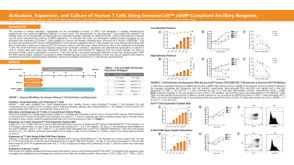 科学海报Activation, Expansion, and Culture of Human T Cells Using ImmunoCult™ cGMP-Compliant Ancillary Reagents

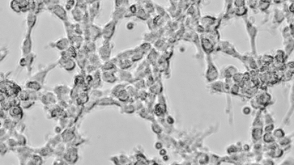 实验方案How to Co-Culture Human Airway Epithelial and Immune Cells for RSV Infection


 沪公网安备31010102008431号