Enhanced cytotoxicity of an anti-transferrin receptor IgG3-avidin fusion protein in combination with gambogic acid against human malignant hematopoietic cells: functional relevance of iron, the receptor, and reactive oxygen species.
The human transferrin receptor (hTfR) is a target for cancer immunotherapy due to its overexpression on the surface of cancer cells. We previously developed an antibody-avidin fusion protein that targets hTfR (anti-hTfR IgG3-Av) and exhibits intrinsic cytotoxicity against certain malignant cells. Gambogic acid (GA),a drug that also binds hTfR,induces cytotoxicity in several malignant cell lines. We now report that anti-hTfR IgG3-Av and GA induce cytotoxicity in a new broader panel of hematopoietic malignant cell lines. Our results show that the effect of anti-hTfR IgG3-Av is iron-dependent whereas that of GA is iron-independent in all cells tested. In addition,we observed that GA exerts a TfR-independent cytotoxicity. We also found that GA increases the generation of reactive oxygen species that may play a role in the cytotoxicity induced by this drug. Additive cytotoxicity was observed by simultaneous combination treatment with these drugs and synergy by using anti-hTfR IgG3-Av as a chemosensitizing agent. In addition,we found a concentration of GA that is toxic to malignant hematopoietic cells but not to human hematopoietic progenitor cells. Our results suggest that these two compounds may be effective,alone or in combination,for the treatment of human hematopoietic malignancies.
View Publication
产品号#:
04434
04444
产品名:
MethoCult™ H4434 Classic
MethoCult™ H4434 Classic
Zhang P et al. (FEB 2009)
Journal of immunology (Baltimore,Md. : 1950) 182 3 1568--76
Acute alcohol intoxication inhibits the lineage- c-kit+ Sca-1+ cell response to Escherichia coli bacteremia.
Alcohol abuse predisposes the host to bacterial infections. In response to bacterial infection,the bone marrow hematopoietic activity shifts toward granulocyte production,which is critical for enhancing host defense. This study investigated the hematopoietic precursor cell response to bacteremia and how alcohol affects this response. Acute alcohol intoxication was induced in BALB/c mice 30 min before initiation of Escherichia coli bacteremia. Bacteremia caused a significant increase in the number of bone marrow lineage (lin(-))-c-kit(+)Sca-1(+) cells. Marrow lin(-)c-kit(+)Sca-1(+) cells isolated from bacteremic mice showed an increase in CFU-granulocyte/macrophage activity compared with controls. In addition to enhanced proliferation of lin(-)c-kit(+)Sca-1(+) cells as reflected by BrdU incorporation,phenotypic inversion of lin(-)c-kit(+)Sca-1(+)Sca-1(-) cells primarily accounted for the rapid increase in marrow lin(-)c-kit(+)Sca-1(+) cells following bacteremia. Bacteremia increased plasma concentration of TNF-alpha. Culture of marrow lin(-)c-kit(+)Sca-1(+)Sca-1(-) cells with murine rTNF-alpha for 24 h caused a dose-dependent increase in conversion of these cells to lin(-)c-kit(+)Sca-1(+) cells. Sca-1 mRNA expression by the cultured cells was also up-regulated following TNF-alpha stimulation. Acute alcohol intoxication inhibited the increase in the number of lin(-)c-kit(+)Sca-1(+) cells in the bone marrow after E. coli infection. Alcohol impeded the increase in BrdU incorporation into marrow lin(-)c-kit(+)Sca-1(+) cells in response to bacteremia. Alcohol also suppressed the plasma TNF-alpha response to bacteremia and inhibited TNF-alpha-induced phenotypic inversion of lin(-)c-kit(+)Sca-1(+)Sca-1(-) cells in vitro. These data show that alcohol inhibits the hematopoietic precursor cell response to bacteremia,which may serve as one mechanism underlying the impaired host defense in alcohol abusers with severe bacterial infections.
View Publication
产品号#:
03534
03434
03444
09600
09650
产品名:
MethoCult™ GF M3534
MethoCult™ GF M3434
MethoCult™ GF M3434
StemSpan™ SFEM
StemSpan™ SFEM
Kelly-Cirino CD and Mantis NJ (NOV 2009)
Infection and Immunity 77 11 4859--67
Neutralizing monoclonal antibodies directed against defined linear epitopes on domain 4 of anthrax protective antigen.
The anthrax protective antigen (PA) is the receptor-binding subunit common to lethal toxin (LT) and edema toxin (ET),which are responsible for the high mortality rates associated with inhalational Bacillus anthracis infection. Although recombinant PA (rPA) is likely to be an important constituent of any future anthrax vaccine,evaluation of the efficacies of the various candidate rPA vaccines is currently difficult,because the specific B-cell epitopes involved in toxin neutralization have not been completely defined. In this study,we describe the identification and characterization of two murine monoclonal immunoglobulin G1 antibodies (MAbs),1-F1 and 2-B12,which recognize distinct linear neutralizing epitopes on domain 4 of PA. 1-F1 recognized a 12-mer peptide corresponding to residues 692 to 703; this epitope maps to a region of domain 4 known to interact with the anthrax toxin receptor CMG-2 and within a conformation-dependent epitope recognized by the well-characterized neutralizing MAb 14B7. As expected,1-F1 blocked PA's ability to associate with CMG-2 in an in vitro solid-phase binding assay,and it protected murine macrophage cells from intoxication with LT. 2-B12 recognized a 12-mer peptide corresponding to residues 716 to 727,an epitope located immediately adjacent to the core 14B7 binding site and a stretch of amino acids not previously identified as a target of neutralizing antibodies. 2-B12 was as effective as 1-F1 in neutralizing LT in vitro,although it only partially inhibited PA binding to its receptor. Mice passively administered 1-F1 or 2-B12 were partially protected against a lethal challenge with LT. These results advance our fundamental understanding of the mechanisms by which antibodies neutralize anthrax toxin and may have future application in the evaluation of candidate rPA vaccines.
View Publication
产品号#:
03800
03801
03802
03803
03804
03805
03806
产品名:
ClonaCell™-HY杂交瘤试剂盒
ClonaCell™-HY培养基A
ClonaCell™-HY 培养基 B
ClonaCell™-HY 培养基 C
ClonaCell™-HY 培养基 D
ClonaCell™-HY 培养基 E
ClonaCell™-HY PEG
Sun Y et al. (MAR 2010)
Blood 115 9 1709--17
Slug deficiency enhances self-renewal of hematopoietic stem cells during hematopoietic regeneration.
Both extrinsic and intrinsic mechanisms tightly govern hematopoietic stem cell (HSC) decisions of self-renewal and differentiation. However,transcription factors that can selectively regulate HSC self-renewal division after stress remain to be identified. Slug is an evolutionarily conserved zinc-finger transcription factor that is highly expressed in primitive hematopoietic cells and is critical for the radioprotection of these key cells. We studied the effect of Slug in the regulation of HSCs in Slug-deficient mice under normal and stress conditions using serial functional assays. Here,we show that Slug deficiency does not disturb hematopoiesis or alter HSC homeostasis and differentiation in bone marrow but increases the numbers of primitive hematopoietic cells in the extramedullary spleen site. Deletion of Slug enhances HSC repopulating potential but not its homing and differentiation ability. Furthermore,Slug deficiency increases HSC proliferation and repopulating potential in vivo after myelosuppression and accelerates HSC expansion during in vitro culture. Therefore,we propose that Slug is essential for controlling the transition of HSCs from relative quiescence under steady-state condition to rapid proliferation under stress conditions. Our data suggest that inhibition of Slug in HSCs may present a novel strategy for accelerating hematopoietic recovery,thus providing therapeutic benefits for patients after clinical myelosuppressive treatment.
View Publication
产品号#:
09600
09650
28600
产品名:
StemSpan™ SFEM
StemSpan™ SFEM
L-Calc™有限稀释软件
Wang X et al. (DEC 2010)
Blood 116 26 5972--82
Sequential treatment of CD34+ cells from patients with primary myelofibrosis with chromatin-modifying agents eliminate JAK2V617F-positive NOD/SCID marrow repopulating cells.
Because primary myelofibrosis (PMF) originates at the level of the pluripotent hematopoietic stem cell (HSC),we examined the effects of various therapeutic agents on the in vitro and in vivo behavior of PMF CD34(+) cells. Treatment of PMF CD34(+) cells with chromatin-modifying agents (CMAs) but not hydroxyurea,Janus kinase 2 (JAK2) inhibitors,or low doses of interferon-α led to the generation of greater numbers of CD34(+) chemokine (C-X-C motif) receptor (CXCR)4(+) cells,which were capable of migrating in response to chemokine (C-X-C motif) ligand (CXCL)12 and resulted in a reduction in the proportion of hematopoietic progenitor cells (HPCs) that were JAK2V617F(+). Furthermore,sequential treatment of PMF CD34(+) cells but not normal CD34(+) cells with decitabine (5-aza-2'-deoxycytidine [5azaD]),followed by suberoylanilide hydroxamic acid (SAHA; 5azaD/SAHA),or trichostatin A (5azaD/TSA) resulted in a higher degree of apoptosis. Two to 6 months after the transplantation of CMAs treated JAK2V617F(+) PMF CD34(+) cells into nonobese diabetic/severe combined immunodeficient (SCID)/IL-2Rγ(null) mice,the percentage of JAK2V617F/JAK2(total) in human CD45(+) marrow cells was dramatically reduced. These findings suggest that both PMF HPCs,short-term and long-term SCID repopulating cells (SRCs),are JAK2V617F(+) and that JAK2V617F(+) HPCs and SRCs can be eliminated by sequential treatment with CMAs. Sequential treatment with CMAs,therefore,represents a possible effective means of treating PMF at the level of the malignant SRC.
View Publication
产品号#:
04230
产品名:
MethoCult™ H4230
Perna F et al. (OCT 2017)
Cancer cell 32 4 506--519.e5
Integrating Proteomics and Transcriptomics for Systematic Combinatorial Chimeric Antigen Receptor Therapy of AML.
Chimeric antigen receptor (CAR) therapy targeting CD19 has yielded remarkable outcomes in patients with acute lymphoblastic leukemia. To identify potential CAR targets in acute myeloid leukemia (AML),we probed the AML surfaceome for overexpressed molecules with tolerable systemic expression. We integrated large transcriptomics and proteomics datasets from malignant and normal tissues,and developed an algorithm to identify potential targets expressed in leukemia stem cells,but not in normal CD34+CD38- hematopoietic cells,T cells,or vital tissues. As these investigations did not uncover candidate targets with a profile as favorable as CD19,we developed a generalizable combinatorial targeting strategy fulfilling stringent efficacy and safety criteria. Our findings indicate that several target pairings hold great promise for CAR therapy of AML.
View Publication
产品号#:
70002
70002.1
70002.2
70002.3
70002.4
70002.5
产品名:
Drowley L et al. (FEB 2016)
Stem cells translational medicine 5 2 164--74
Human Induced Pluripotent Stem Cell-Derived Cardiac Progenitor Cells in Phenotypic Screening: A Transforming Growth Factor-β Type 1 Receptor Kinase Inhibitor Induces Efficient Cardiac Differentiation.
Several progenitor cell populations have been reported to exist in hearts that play a role in cardiac turnover and/or repair. Despite the presence of cardiac stem and progenitor cells within the myocardium,functional repair of the heart after injury is inadequate. Identification of the signaling pathways involved in the expansion and differentiation of cardiac progenitor cells (CPCs) will broaden insight into the fundamental mechanisms playing a role in cardiac homeostasis and disease and might provide strategies for in vivo regenerative therapies. To understand and exploit cardiac ontogeny for drug discovery efforts,we developed an in vitro human induced pluripotent stem cell-derived CPC model system using a highly enriched population of KDR(pos)/CKIT(neg)/NKX2.5(pos) CPCs. Using this model system,these CPCs were capable of generating highly enriched cultures of cardiomyocytes under directed differentiation conditions. In order to facilitate the identification of pathways and targets involved in proliferation and differentiation of resident CPCs,we developed phenotypic screening assays. Screening paradigms for therapeutic applications require a robust,scalable,and consistent methodology. In the present study,we have demonstrated the suitability of these cells for medium to high-throughput screens to assess both proliferation and multilineage differentiation. Using this CPC model system and a small directed compound set,we identified activin-like kinase 5 (transforming growth factor-β type 1 receptor kinase) inhibitors as novel and potent inducers of human CPC differentiation to cardiomyocytes. Significance: Cardiac disease is a leading cause of morbidity and mortality,with no treatment available that can result in functional repair. This study demonstrates how differentiation of induced pluripotent stem cells can be used to identify and isolate cell populations of interest that can translate to the adult human heart. Two separate examples of phenotypic screens are discussed,demonstrating the value of this biologically relevant and reproducible technology. In addition,this assay system was able to identify novel and potent inducers of differentiation and proliferation of induced pluripotent stem cell-derived cardiac progenitor cells.
View Publication
产品号#:
70919
产品名:
Cavero I et al. (MAY 2016)
Journal of pharmacological and toxicological methods
Comprehensive in vitro Proarrhythmia Assay (CiPA): Pending issues for successful validation and implementation.
INTRODUCTION The Comprehensive in vitro Proarrhythmia Assay (CiPA) is a nonclinical Safety Pharmacology paradigm for discovering electrophysiological mechanisms that are likely to confer proarrhythmic liability to drug candidates intended for human use. TOPICS COVERED Key talks delivered at the 'CiPA on my mind' session,held during the 2015 Annual Meeting of the Safety Pharmacology Society (SPS),are summarized. Issues and potential solutions relating to crucial constituents [e.g.,biological materials (ion channels and pluripotent stem cell-derived cardiomyocytes),study platforms,drug solutions,and data analysis] of CiPA core assays are critically examined. DISCUSSION In order to advance the CiPA paradigm from the current testing and validation stages to a research and regulatory drug development strategy,systematic guidance by CiPA stakeholders is necessary to expedite solutions to pending and newly arising issues. Once a study protocol is proved to yield robust and reproducible results within and across laboratories,it can be implemented as qualified regulatory procedure.
View Publication
产品号#:
05850
05857
05870
05875
85850
85857
85870
85875
产品名:
mTeSR™1
mTeSR™1
Guryanova OA et al. (NOV 2016)
Nature Medicine
DNMT3A mutations promote anthracycline resistance in acute myeloid leukemia via impaired nucleosome remodeling.
Although the majority of patients with acute myeloid leukemia (AML) initially respond to chemotherapy,many of them subsequently relapse,and the mechanistic basis for AML persistence following chemotherapy has not been determined. Recurrent somatic mutations in DNA methyltransferase 3A (DNMT3A),most frequently at arginine 882 (DNMT3A(R882)),have been observed in AML and in individuals with clonal hematopoiesis in the absence of leukemic transformation. Patients with DNMT3A(R882) AML have an inferior outcome when treated with standard-dose daunorubicin-based induction chemotherapy,suggesting that DNMT3A(R882) cells persist and drive relapse. We found that Dnmt3a mutations induced hematopoietic stem cell expansion,cooperated with mutations in the FMS-like tyrosine kinase 3 gene (Flt3(ITD)) and the nucleophosmin gene (Npm1(c)) to induce AML in vivo,and promoted resistance to anthracycline chemotherapy. In patients with AML,the presence of DNMT3A(R882) mutations predicts minimal residual disease,underscoring their role in AML chemoresistance. DNMT3A(R882) cells showed impaired nucleosome eviction and chromatin remodeling in response to anthracycline treatment,which resulted from attenuated recruitment of histone chaperone SPT-16 following anthracycline exposure. This defect led to an inability to sense and repair DNA torsional stress,which resulted in increased mutagenesis. Our findings identify a crucial role for DNMT3A(R882) mutations in driving AML chemoresistance and highlight the importance of chromatin remodeling in response to cytotoxic chemotherapy.
View Publication
Imatinib mesylate has shown remarkable efficacy in the treatment of patients in the chronic phase of chronic myeloid leukemia. However,despite an overall significant hematological and cytogenetic response,imatinib therapy may favor the emergence of drug-resistant clones,ultimately leading to relapse. Some imatinib resistance mechanisms had not been fully elucidated yet. In this study we used sensitive and resistant sublines from a Bcr-Abl positive cell line to investigate the putative involvement of telomerase in the promotion of imatinib resistance. We showed that sensitivity to imatinib can be partly restored in imatinib-resistant cells by targeting telomerase expression,either by the introduction of a dominant-negative form of the catalytic protein subunit of the telomerase (hTERT) or by the treatment with all-trans-retinoic acid,a clinically used drug. Furthermore,we showed that hTERT overexpression favors the development of imatinib resistance through both its antiapoptotic and telomere maintenance functions. Therefore,combining antitelomerase strategies to imatinib treatment at the beginning of the treatment should be promoted to reduce the risk of imatinib resistance development and increase the probability of eradicating the disease.
View Publication
产品号#:
04230
产品名:
MethoCult™ H4230
Murphy SV et al. (JAN 2013)
Journal of biomedical materials research. Part A 101 1 272--84
Evaluation of hydrogels for bio-printing applications.
In the United States alone,there are approximately 500,000 burn injuries that require medical treatment every year. Limitations of current treatments necessitate the development of new methods that can be applied quicker,result in faster wound regeneration,and yield skin that is cosmetically similar to undamaged skin. The development of new hydrogel biomaterials and bioprinting deposition technologies has provided a platform to address this need. Herein we evaluated characteristics of twelve hydrogels to determine their suitability for bioprinting applications. We chose hydrogels that are either commercially available,or are commonly used for research purposes. We evaluated specific hydrogel properties relevant to bioprinting applications,specifically; gelation time,swelling or contraction,stability,biocompatibility and printability. Further,we described regulatory,commercial and financial aspects of each of the hydrogels. While many of the hydrogels screened may exhibit characteristics suitable for other applications,UV-crosslinked Extracel,a hyaluronic acid-based hydrogel,had many of the desired properties for our bioprinting application. Taken together with commercial availability,shelf life,potential for regulatory approval and ease of use,these materials hold the potential to be further developed into fast and effective wound healing treatments.
View Publication


 EasySep™小鼠TIL(CD45)正选试剂盒




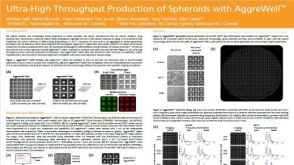 科学海报Ultra-High Throughput Production of Spheroids with AggreWell™
 沪公网安备31010102008431号