York D et al. (DEC 2016)
BMC Biotechnology 16 1 23
Generating aldehyde-tagged antibodies with high titers and high formylglycine yields by supplementing culture media with copper(II)
BACKGROUND The ability to site-specifically conjugate a protein to a payload of interest (e.g.,a fluorophore,small molecule pharmacophore,oligonucleotide,or other protein) has found widespread application in basic research and drug development. For example,antibody-drug conjugates represent a class of biotherapeutics that couple the targeting specificity of an antibody with the chemotherapeutic potency of a small molecule drug. While first generation antibody-drug conjugates (ADCs) used random conjugation approaches,next-generation ADCs are employing site-specific conjugation. A facile way to generate site-specific protein conjugates is via the aldehyde tag technology,where a five amino acid consensus sequence (CXPXR) is genetically encoded into the protein of interest at the desired location. During protein expression,the Cys residue within this consensus sequence can be recognized by ectopically-expressed formylglycine generating enzyme (FGE),which converts the Cys to a formylglycine (fGly) residue. The latter bears an aldehyde functional group that serves as a chemical handle for subsequent conjugation. RESULTS The yield of Cys conversion to fGly during protein production can be variable and is highly dependent on culture conditions. We set out to achieve consistently high yields by modulating culture conditions to maximize FGE activity within the cell. We recently showed that FGE is a copper-dependent oxidase that binds copper in a stoichiometric fashion and uses it to activate oxygen,driving enzymatic turnover. Building upon that work,here we show that by supplementing cell culture media with copper we can routinely reach high yields of highly converted protein. We demonstrate that cells incorporate copper from the media into FGE,which results in increased specific activity of the enzyme. The amount of copper required is compatible with large scale cell culture,as demonstrated in fed-batch cell cultures with antibody titers of 5 g textperiodcentered L(-1),specific cellular production rates of 75 pg textperiodcentered cell(-1) textperiodcentered d(-1),and fGly conversion yields of 95-98 %. CONCLUSIONS We describe a process with a high yield of site-specific formylglycine (fGly) generation during monoclonal antibody production in CHO cells. The conversion of Cys to fGly depends upon the activity of FGE,which can be ensured by supplementing the culture media with 50 uM copper(II) sulfate.
View Publication
产品号#:
03814
产品名:
ClonaCell™-TCS 培养基
Vanden Bempt M et al. (MAR 2016)
Leukemia March 8 Epub ahead of print
Generation of the Fip1l1–Pdgfra fusion gene using CRISPR/Cas genome editing
Yano M and Pirofski L-a (JAN 2011)
Clinical and vaccine immunology : CVI 18 1 59--66
Characterization of gene use and efficacy of mouse monoclonal antibodies to Streptococcus pneumoniae serotype 8.
Streptococcus pneumoniae is the most common cause of community-acquired pneumonia in the United States and globally. Despite the availability of pneumococcal capsular polysaccharide (PPS) and protein conjugate-based vaccines,the prevalence of antibiotic-resistant pneumococcal strains,serotype (ST) replacement in nonconjugate vaccine strains,and uncertainty as to whether the PPS vaccine that is used in adults protects against pneumonia emphasize the need for continued efforts to understand the nature of protective PPS antibody responses. In this study,we generated mouse monoclonal antibodies (MAbs) to a conjugate consisting of the PPS of serotype 8 (PPS8) S. pneumoniae and tetanus toxoid. Thirteen MAbs,including four IgMs that bound to PPS8 and phosphorylcholine (PC) and five IgMs and four IgG1s that bound to PPS8 but not PC,were produced,and their nucleotide sequences,epitope and fine specificity,and efficacy against lethal challenge with ST8 S. pneumoniae were determined. MAbs that bound to PPS8 exhibited gene use that was distinct from that exhibited by MAbs that bound to PC. Only PPS8-binding MAbs that did not bind PC were protective in mice. All 13 MAbs used germ line variable-region heavy (V(H)) and light (V(L)) chain genes,with no evidence of somatic hypermutation. Our data reveal a relationship between PPS specificity and V(H) gene use and MAb efficacy in mice. These findings provide insight into the relationship between antibody molecular structure and function and hold promise for the development of novel surrogates for pneumococcal vaccine efficacy.
View Publication
产品号#:
03800
03801
03802
03803
03804
03805
03806
产品名:
ClonaCell™-HY杂交瘤试剂盒
ClonaCell™-HY培养基A
ClonaCell™-HY 培养基 B
ClonaCell™-HY 培养基 C
ClonaCell™-HY 培养基 D
ClonaCell™-HY 培养基 E
ClonaCell™-HY PEG
Fenouille N et al. (DEC 2010)
Cancer research 70 23 9659--70
Persistent activation of the Fyn/ERK kinase signaling axis mediates imatinib resistance in chronic myelogenous leukemia cells through upregulation of intracellular SPARC.
SPARC is an extracellular matrix protein that exerts pleiotropic effects on extracellular matrix organization,growth factor availability,cell adhesion,differentiation,and immunity in cancer. Chronic myelogenous leukemia (CML) cells resistant to the BCR-ABL inhibitor imatinib (IM-R cells) were found to overexpress SPARC mRNA. In this study,we show that imatinib triggers SPARC accumulation in a variety of tyrosine kinase inhibitor (TKI)-resistant CML cell lines. SPARC silencing in IM-R cells restored imatinib sensitivity,whereas enforced SPARC expression in imatinib-sensitive cells promoted viability as well as protection against imatinib-mediated apoptosis. Notably,we found that the protective effect of SPARC required intracellular retention inside cells. Accordingly,SPARC was not secreted into the culture medium of IM-R cells. Increased SPARC expression was intimately linked to persistent activation of the Fyn/ERK kinase signaling axis. Pharmacologic inhibition of this pathway or siRNA-mediated knockdown of Fyn kinase resensitized IM-R cells to imatinib. In support of our findings,increased levels of SPARC mRNA were documented in blood cells from CML patients after 1 year of imatinib therapy compared with initial diagnosis. Taken together,our results highlight an important role for the Fyn/ERK signaling pathway in imatinib-resistant cells that is driven by accumulation of intracellular SPARC.
View Publication
产品号#:
04100
产品名:
MethoCult™ H4100
Zhou L et al. (FEB 2011)
Cancer research 71 3 955--63
Reduced SMAD7 leads to overactivation of TGF-beta signaling in MDS that can be reversed by a specific inhibitor of TGF-beta receptor I kinase.
Even though myelodysplastic syndromes (MDS) are characterized by ineffective hematopoiesis,the molecular alterations that lead to marrow failure have not been well elucidated. We have previously shown that the myelosuppressive TGF-β pathway is constitutively activated in MDS progenitors. Because there is conflicting data about upregulation of extracellular TGF-β levels in MDS,we wanted to determine the molecular basis of TGF-β pathway overactivation and consequent hematopoietic suppression in this disease. We observed that SMAD7,a negative regulator of TGF-β receptor I (TBRI) kinase,is markedly decreased in a large meta-analysis of gene expression studies from MDS marrow-derived CD34(+) cells. SMAD7 protein was also found to be significantly decreased in MDS marrow progenitors when examined immunohistochemically in a bone marrow tissue microarray. Reduced expression of SMAD7 in hematopoietic cells led to increased TGF-β-mediated gene transcription and enhanced sensitivity to TGF-β-mediated suppressive effects. The increased TGF-β signaling due to SMAD7 reduction could be effectively inhibited by a novel clinically relevant TBRI (ALK5 kinase) inhibitor,LY-2157299. LY-2157299 could inhibit TGF-β-mediated SMAD2 activation and hematopoietic suppression in primary hematopoietic stem cells. Furthermore,in vivo administration of LY-2157299 ameliorated anemia in a TGF-β overexpressing transgenic mouse model of bone marrow failure. Most importantly,treatment with LY-2157199 stimulated hematopoiesis from primary MDS bone marrow specimens. These studies demonstrate that reduction in SMAD7 is a novel molecular alteration in MDS that leads to ineffective hematopoiesis by activating of TGF-β signaling in hematopoietic cells. These studies also illustrate the therapeutic potential of TBRI inhibitors in MDS.
View Publication
产品号#:
09600
09650
09850
产品名:
StemSpan™ SFEM
StemSpan™ SFEM
Kurtzberg LS et al. (MAY 2011)
Clinical cancer research : an official journal of the American Association for Cancer Research 17 9 2777--87
Genz-644282, a novel non-camptothecin topoisomerase I inhibitor for cancer treatment.
PURPOSE: Genz-644282 [8,9-dimethoxy-5-(2-N-methylaminoethyl)-2,3-methylenedioxy-5H-dibenzo[c,h][1,6]naphthyridin-6-one] has emerged as a promising candidate for antitumor agents. This report describes the bone marrow colony-forming unit,granulocyte macrophage (CFU-GM) and tumor cell CFU activity of topoisomerase I (Top1) inhibitors,such as Genz-644282,topotecan,irinotecan/SN-38,and ARC-111,and examines their activity in several human tumor xenograft models. EXPERIMENTAL DESIGN: Colony-forming assays were conducted with mouse and human bone marrow and eight human tumor cell lines. In addition,29 human tumor cell lines representing a range of histology and potential resistance mechanisms were assayed for sensitivity to Genz-644282 in a 72-hour exposure assay. The efficacy of Genz-644282 was compared with standard anticancer drugs (i.e.,irinotecan,docetaxel,and dacarbazine) in human tumor xenografts of colon cancer,renal cell carcinoma,non-small cell lung cancer,and melanoma. RESULTS: Human bone marrow CFU-GM was more sensitive to the Top1 inhibitors than was mouse bone marrow CFU-GM. The ratio of mouse to human IC(90) values was more than 10 for the camptothecins and less than 10 for Genz-644282,which had more potency as a cytotoxic agent toward human tumor cells in culture than the camptothecins in the colony-forming and 72-hour proliferation assays. Genz-644282 has superior or equal antitumor activity in the human tumor xenografts than the standard drug comparators. CONCLUSIONS: On the basis of preclinical activity and safety,Genz-644282 was selected for development and is currently undergoing phase 1 clinical trial.
View Publication
产品号#:
03434
03444
04035
84534
84544
产品名:
MethoCult™ GF M3434
MethoCult™ GF M3434
MethoCult™ 不含EPO的H4035 Optimum
MethoCult GF H84534, 100mL
Yang Y et al. (JUN 2011)
Experimental biology and medicine (Maywood,N.J.) 236 6 729--35
Protective effect of dammarane sapogenins against chemotherapy-induced myelosuppression in mice.
Chemotherapy is the most common way to treat malignancies,but myelosuppression,one of its common side-effects,is a formidable problem. The present study described the protective role of dammarane sapogenins (DS),an active fraction from oriental ginseng,on myelosuppression induced by cyclophosphamide (CP) in mice. DS was orally administered at different dosages (37.5,75,and 150 mg/kg) for 10 d after CP administration (200 mg/kg intraperitoneally). The results showed that DS increased the number of white blood cells (WBC) on day 3 and day 7 (P textless 0.05),such that WBC levels were increased by 105.7 ± 29.5% at 75 mg/kg of DS on day 3 (P textless 0.05,compared with the CP group). Similar results were observed in red blood cells and platelets in DS-treated groups. The colony-forming assay demonstrated that the depressed numbers of CFU-GM (colony-forming unit-granulocyte and macrophage),CFU-E (colony-forming unit-erythroid),BFU-E (burst-forming unit-erythroid),CFU-Meg (colony-forming unit-megakaryocyte) and CFU-GEMM (colony-forming unit-granulocyte,-erythrocyte,-monocyte and -megakaryocyte) induced by CP were significantly reversed after DS treatment. Moreover,the ameliorative effect of DS on myelosuppression was also observed in the femur by hematoxylin/eosin staining. In DS-treated groups,ConA-induced splenocyte proliferation was enhanced significantly at all the doses (37.5,75,150 mg/kg) on day 3 at the rate of 50.3 ± 8.0%,77.6 ± 8.5% and 44.5 ± 8.4%,respectively,while lipopolysaccharide-induced proliferation was increased mainly on day 7 (P textless 0.01),with an increased rate of 39.8 ± 5.6%,34.9 ± 6.6% and 38.3 ± 7.3%,respectively. The thymus index was also markedly increased by 70.4% and 36.6% at 75 mg/kg on days 3 and 7,respectively,as compared with the CP group. In summary,DS has a protective function against CP-induced myelosuppression. Its mechanism might be related to stimulating hematopoiesis recovery,as well as enhancing the immunological function.
View Publication
产品号#:
03534
03334
产品名:
MethoCult™ GF M3534
MethoCult™ M3334
Wang X et al. (JUL 2013)
mAbs 5 4 540--4
Generation and characterization of a unique reagent that recognizes a panel of recombinant human monoclonal antibody therapeutics in the presence of endogenous human IgG
Pharmacokinetic (PK) and immunohistochemistry (IHC) assays are essential to the evaluation of the safety and efficacy of therapeutic monoclonal antibodies (mAb) during drug development. These methods require reagents with a high degree of specificity because low concentrations of therapeutic antibody need to be detected in samples containing high concentrations of endogenous human immunoglobulins. Current assay reagent generation practices are labor-intensive and time-consuming. Moreover,these practices are molecule-specific and so only support one assay for one program at a time. Here,we describe a strategy to generate a unique assay reagent,10C4,that preferentially recognizes a panel of recombinant human mAbs over endogenous human immunoglobulins. This panel-specific" feature enables the reagent to be used in PK and IHC assays for multiple structurally-related therapeutic mAbs. Characterization revealed that the 10C4 epitope is conformational�
View Publication


 EasySep™小鼠TIL(CD45)正选试剂盒




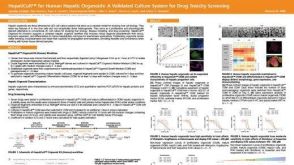
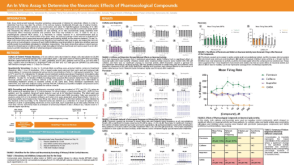 科学海报An In Vitro Assay to Determine the Neurotoxic Effects of Pharmacological Compounds

 沪公网安备31010102008431号