Buczkowicz P et al. (MAY 2013)
Brain pathology (Zurich,Switzerland) 23 3 244--53
Aurora kinase B is a potential therapeutic target in pediatric diffuse intrinsic pontine glioma.
Pediatric high-grade astrocytomas (HGAs) account for 15-20% of all pediatric central nervous system tumors. These neoplasms predominantly involve the supratentorial hemispheres or the pons--diffuse intrinsic pontine gliomas (DIPG). Assumptions that pediatric HGAs are biologically similar to adult HGAs have recently been challenged,and the development of effective therapeutic modalities for DIPG and supratentorial HGA hinges on a better understanding of their biological properties. Here,20 pediatric HGAs (9 DIPGs and 11 supratentorial HGAs) were subject to gene expression profiling following approval by the research ethics board at our institution. Many of these tumors showed expression signatures composed of genes that promote G1/S and G2/M cell cycle progression. In particular,Aurora kinase B (AURKB) was consistently and highly overexpressed in 6/9 DIPGs and 8/11 HGAs. Array data were validated using quantitative real-time PCR and immunohistochemistry,as well as cross-validation of our data set with previously published series. Inhibition of Aurora B activity in DIPG and in pediatric HGA cell lines resulted in growth arrest accompanied by morphological changes,cell cycle aberrations,nuclear fractionation and polyploidy as well as a reduction in colony formation. Our data highlight Aurora B as a potential therapeutic target in DIPG.
View Publication
产品号#:
05751
产品名:
NeuroCult™ NS-A 扩增试剂盒(人)
Setty M et al. (JAN 2012)
Molecular systems biology 8 605
Inferring transcriptional and microRNA-mediated regulatory programs in glioblastoma.
Large-scale cancer genomics projects are profiling hundreds of tumors at multiple molecular layers,including copy number,mRNA and miRNA expression,but the mechanistic relationships between these layers are often excluded from computational models. We developed a supervised learning framework for integrating molecular profiles with regulatory sequence information to reveal regulatory programs in cancer,including miRNA-mediated regulation. We applied our approach to 320 glioblastoma profiles and identified key miRNAs and transcription factors as common or subtype-specific drivers of expression changes. We confirmed that predicted gene expression signatures for proneural subtype regulators were consistent with in vivo expression changes in a PDGF-driven mouse model. We tested two predicted proneural drivers,miR-124 and miR-132,both underexpressed in proneural tumors,by overexpression in neurospheres and observed a partial reversal of corresponding tumor expression changes. Computationally dissecting the role of miRNAs in cancer may ultimately lead to small RNA therapeutics tailored to subtype or individual.
View Publication
产品号#:
05750
05751
产品名:
NeuroCult™ NS-A 基础培养基(人)
NeuroCult™ NS-A 扩增试剂盒(人)
Chakrabarti L et al. (JAN 2012)
Frontiers in oncology 2 82
Reversible adaptive plasticity: a mechanism for neuroblastoma cell heterogeneity and chemo-resistance.
We describe a novel form of tumor cell plasticity characterized by reversible adaptive plasticity in murine and human neuroblastoma. Two cellular phenotypes were defined by their ability to exhibit adhered,anchorage dependent (AD) or sphere forming,anchorage independent (AI) growth. The tumor cells could transition back and forth between the two phenotypes and the transition was dependent on the culture conditions. Both cell phenotypes exhibited stem-like features such as expression of nestin,self-renewal capacity,and mesenchymal differentiation potential. The AI tumorspheres were found to be more resistant to chemotherapy and proliferated slower in vitro compared to the AD cells. Identification of specific molecular markers like MAP2,β-catenin,and PDGFRβ enabled us to characterize and observe both phenotypes in established mouse tumors. Irrespective of the phenotype originally implanted in mice,tumors grown in vivo show phenotypic heterogeneity in molecular marker signatures and are indistinguishable in growth or histologic appearance. Similar molecular marker heterogeneity was demonstrated in primary human tumor specimens. Chemotherapy or growth factor receptor inhibition slowed tumor growth in mice and promoted initial loss of AD or AI heterogeneity,respectively. Simultaneous targeting of both phenotypes led to further tumor growth delay with emergence of new unique phenotypes. Our results demonstrate that neuroblastoma cells are plastic,dynamic,and may optimize their ability to survive by changing their phenotype. Phenotypic switching appears to be an adaptive mechanism to unfavorable selection pressure and could explain the phenotypic and functional heterogeneity of neuroblastoma.
View Publication


 EasySep™小鼠TIL(CD45)正选试剂盒




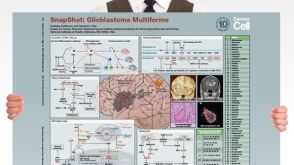 挂图SnapShot: Glioblastoma Multiforme Overview of the key concepts and mechanisms in glioblastoma multiforme biology

 技术公告The Basic FACS on ALDEFLUOR™: The Quick Guide to Flow Cytometry
 技术公告Identification of Viable Stem and Progenitor Cells with ALDEFLUOR™



 沪公网安备31010102008431号