Rosé L et al. (JUL 2002)
Experimental hematology 30 7 729--37
In vitro studies of the combination of imatinib mesylate (Gleevec) and arsenic trioxide (Trisenox) in chronic myelogenous leukemia.
OBJECTIVE: The aim of this study was the preclinical evaluation of imatinib mesylate (Gleevec,formerly STI571) in conjunction with arsenic trioxide (As2O3,Trisenox) for the treatment of chronic myelogenous leukemia (CML). MATERIALS AND METHODS: Tetrazolium-based cell line proliferation assays (MTT assays) were performed to determine the cytotoxicity of As2O3 alone and in combination with imatinib. Cell lines tested in this study were Bcr-Abl-expressing cells (K562,MO7p210,32Dp210) and parental cells (MO7e,32D). Isobologram analysis was performed manually and using the median effect method. In vitro cytotoxicity also was determined in colony-forming assays using CML patient cells. Western blot analysis was performed to detect Bcr-Abl protein levels in K562 cells exposed to As2O3 at graded concentrations. Bcr-Abl protein level kinetics were correlated with cell viability (trypan blue count) and activated caspase-3 detected by flow cytometry. RESULTS: We show additive to synergistic cytotoxicity in Bcr-Abl+ cell lines depending on inhibitory concentrations and cell type. Results obtained by colony-forming assays confirmed the findings in cell line proliferation assays. Flow cytometric detection of activated caspase-3 revealed synergistic activity in K562 cells. Treatment of K562 cells with As2O3 alone led to down-regulation of Bcr-Abl protein within 24 hours,even at low doses. The decline of Bcr-Abl preceded activation of caspase-3 and the loss of viable cells. CONCLUSIONS: Favorable cytotoxicity and proapoptotic activity of imatinib in conjunction with As2O3 and specific down-regulation of Bcr-Abl protein levels by As2O3 in K562 cells indicate that As2O3 in combination with imatinib might be useful for circumventing resistance to imatinib monotherapy.
View Publication
产品号#:
04564
04534
04544
产品名:
入门套件MethoCult™H4534经典无EPO
MethoCult™H4534经典无EPO
MethoCult™H4534经典无EPO
Pfeifer A et al. (SEP 2001)
Proceedings of the National Academy of Sciences of the United States of America 98 20 11450--5
Delivery of the Cre recombinase by a self-deleting lentiviral vector: efficient gene targeting in vivo.
The Cre recombinase (Cre) from bacteriophage P1 is an important tool for genetic engineering in mammalian cells. We constructed lentiviral vectors that efficiently deliver Cre in vitro and in vivo. Surprisingly,we found a significant reduction in proliferation and an accumulation in the G(2)/M phase of Cre-expressing cells. To minimize the toxic effect of Cre,we designed a lentiviral vector that integrates into the host genome,expresses Cre in the target cell,and is subsequently deleted from the genome in a Cre-dependent manner. Thus,the activity of Cre terminates its own expression (self-deleting). We showed efficient modification of target genes in vitro and in the brain after transduction with the self-deleting vectors. In contrast to sustained Cre expression,transient expression of Cre from the self-deleting vector induced significantly less cytotoxicity. Such a self-deleting Cre vector is a promising tool for the induction of conditional gene modifications with minimal Cre toxicity in vivo.
View Publication
产品号#:
09600
09650
产品名:
StemSpan™ SFEM
StemSpan™ SFEM
Izard J et al. (FEB 2001)
Journal of Bacteriology 183 3 1078--84
Cytoplasmic filament-deficient mutant of Treponema denticola has pleiotropic defects
In Treponema denticola,a ribbon-like structure of cytoplasmic filaments spans the cytoplasm at all stages of the cell division process. Insertional inactivation was used as a first step to determine the function of the cytoplasmic filaments. A suicide plasmid was constructed that contained part of cfpA and a nonpolar erythromycin resistance cassette (ermF and ermAM) inserted near the beginning of the gene. The plasmid was electroporated into T. denticola,and double- crossover recombinants which had the chromosomal copy of cfpA insertionally inactivated were selected. Immunoblotting and electron microscopy confirmed the lack of cytoplasmic filaments. The mutant was further analyzed by dark-field microscopy to determine cell morphology and by the binding of two fluorescent dyes to DNA to assess the distribution of cellular nucleic acids. The cytoplasmic filament protein-deficient mutant exhibited pleiotropic defects,including highly condensed chromosomal DNA,compared to the homogeneous distribution of the DNA throughout the cytoplasm in a wild-type cell. Moreover,chains of cells are formed by the cytoplasmic filament- deficient mutant,and those cells show reduced spreading in agarose,which may be due to the abnormal cell length. The chains of cells and the highly condensed chromosomal DNA suggest that the cytoplasmic filaments may be involved in chromosome structure,segregation,or the cell division process in Treponema.
View Publication
产品号#:
03800
03801
03802
03803
03804
03805
03806
产品名:
ClonaCell™-HY 杂交瘤试剂盒
ClonaCell™-HY Medium
ClonaCell™-HY Medium
ClonaCell™-HY Medium
ClonaCell™-HY Medium
ClonaCell™-HY Medium
ClonaCell™-HY PEG (融合)
Richmond MH (JAN 1975)
Methods in enzymology 43 4 672--7
Song DH et al. (AUG 2000)
Journal of Biological Chemistry 275 31 23790--97
Endogenous protein kinase CK2 participates in Wnt signaling in mammary epithelial cells
Protein kinase CK2 (formerly casein kinase II) is a serine/threonine kinase overexpressed in many human tumors,transformed cell lines,and rapidly proliferating tissues. Recent data have shown that many cancers involve inappropriate reactivation of Wnt signaling through ectopic expression of Wnts themselves,as has been seen in a number of human breast cancers,or through mutation of intermediates in the Wnt pathway,such as adenomatous polyposis coli or beta-catenin,as described in colon and other cancers. Wnts are secreted factors that are important in embryonic development,but overexpression of certain Wnts,such as Wnt-1,leads to proliferation and transformation of cells. We report that upon stable transfection of Wnt-1 into the mouse mammary epithelial cell line C57MG,morphological changes and increased proliferation are accompanied by increased levels of CK2,as well as of beta-catenin. CK2 and beta-catenin co-precipitate with the Dvl proteins,which are Wnt signaling intermediates. A major phosphoprotein of the size of beta-catenin appears in in vitro kinase reactions performed on the Dvl immunoprecipitates. In vitro translated beta-catenin,Dvl-2,and Dvl-3 are phosphorylated by CK2. The selective CK2 inhibitor apigenin blocks proliferation of Wnt-1-transfected cells,abrogates phosphorylation of beta-catenin,and reduces beta-catenin and Dvl protein levels. These results demonstrate that endogenous CK2 is a positive regulator of Wnt signaling and growth of mammary epithelial cells.
View Publication
产品号#:
03800
03801
03802
03803
03804
03805
03806
产品名:
ClonaCell™-HY 杂交瘤试剂盒
ClonaCell™-HY Medium
ClonaCell™-HY Medium
ClonaCell™-HY Medium
ClonaCell™-HY Medium
ClonaCell™-HY Medium
ClonaCell™-HY PEG (融合)
Strovel ET et al. (JAN 2000)
The Journal of biological chemistry 275 4 2399--403
Protein phosphatase 2Calpha dephosphorylates axin and activates LEF-1-dependent transcription.
The Dishevelled (Dvl) gene family encodes cytoplasmic proteins that are necessary for Wnt signal transduction. Utilizing the yeast two-hybrid system,we identified protein phosphatase 2Calpha (PP2C) as a Dvl-PDZ domain-interacting protein. PP2C exists in a complex with Dvl,beta-catenin,and Axin,a negative regulator of Wnt signaling. In a Wnt-responsive LEF-1 reporter gene assay,expression of PP2C activates transcription and also elicits a synergistic response with beta-catenin and Wnt-1. In addition,PP2C expression relieves Axin-mediated repression of LEF-1-dependent transcription. PP2C utilizes Axin as a substrate both in vitro and in vivo and decreases its half-life. These results indicate that PP2C is a positive regulator of Wnt signal transduction and mediates its effects through the dephosphorylation of Axin.
View Publication


 EasySep™小鼠TIL(CD45)正选试剂盒




 技术窍门组织解离方法指南
 43:45
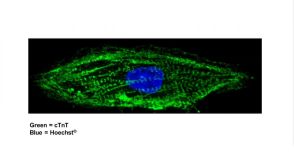
线上讲座Modeling Arrhythmias Using hPSC-Derived Cardiomyocytes and Tracking Their Excitability发布日期: 08/14/2017
43:45
线上讲座Modeling Arrhythmias Using hPSC-Derived Cardiomyocytes and Tracking Their Excitability发布日期: 08/14/2017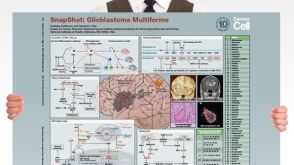 挂图SnapShot: Glioblastoma Multiforme Overview of the key concepts and mechanisms in glioblastoma multiforme biology


 沪公网安备31010102008431号