Specificity for the tumor-associated self-antigen WT1 drives the development of fully functional memory T cells in the absence of vaccination.
Recently,vaccines against the Wilms Tumor antigen 1 (WT1) have been tested in cancer patients. However,it is currently not known whether physiologic levels of WT1 expression in stem and progenitor cells of normal tissue result in the deletion or tolerance induction of WT1-specific T cells. Here,we used an human leukocyte antigen-transgenic murine model to study the fate of human leukocyte antigen class-I restricted,WT1-specific T cells in the thymus and in the periphery. Thymocytes expressing a WT1-specific T-cell receptor derived from high avidity human CD8 T cells were positively selected into the single-positive CD8 population. In the periphery,T cells specific for the WT1 antigen differentiated into CD44-high memory phenotype cells,whereas T cells specific for a non-self-viral antigen retained a CD44(low) naive phenotype. Only the WT1-specific T cells,but not the virus-specific T cells,displayed rapid antigen-specific effector function without prior vaccination. Despite long-term persistence of WT1-specific memory T cells,the animals did not develop autoimmunity,and the function of hematopoietic stem and progenitor cells was unimpaired. This is the first demonstration that specificity for a tumor-associated self-antigen may drive differentiation of functionally competent memory T cells.
View Publication
产品号#:
09600
09650
19756
19756RF
产品名:
StemSpan™ SFEM
StemSpan™ SFEM
Engelhardt BG et al. (MAR 2011)
Bone marrow transplantation 46 3 436--42
Regulatory T cell expression of CLA or α(4)β(7) and skin or gut acute GVHD outcomes.
Regulatory T cells (Tregs) are a suppressive subset of CD4(+) T lymphocytes implicated in the prevention of acute GVHD (aGVHD) after allo-SCT (ASCT). To determine whether increased frequency of Tregs with a skin-homing (cutaneous lymphocyte Ag,CLA(+)) or a gut-homing (α(4)β(7)(+)) phenotype is associated with reduced risk of skin or gut aGVHD,respectively,we quantified circulating CLA(+) or α(4)β(7)(+) on Tregs at the time of neutrophil engraftment in 43 patients undergoing ASCT. Increased CLA(+) Tregs at engraftment was associated with the prevention of skin aGVHD (2.6 vs 1.7%; P=0.038 (no skin aGVHD vs skin aGVHD)),and increased frequencies of CLA(+) and α(4)β(7)(+) Tregs were negatively correlated with severity of skin aGVHD (odds ratio (OR),0.67; 95% confidence interval (CI),0.46-0.98; P=0.041) or gut aGVHD (OR,0.93; 95% CI,0.88-0.99; P=0.031),respectively. This initial report suggests that Treg tissue-homing subsets help to regulate organ-specific risk and severity of aGVHD after human ASCT. These results need to be validated in a larger,multicenter cohort.
View Publication
The Macrophage Galactose-Type C-Type Lectin (MGL) Modulates Regulatory T Cell Functions
Regulatory T cells (Tregs) are physiologically designed to prevent autoimmune disease and maintain self-tolerance. In tumour microenvironments,their presence is related to a poor prognosis,and they influence the therapeutic outcome due to their capacity to suppress the immune response by cell-cell contact and to release immunosuppressive cytokines. In this study,we demonstrate that Treg immunosuppressive activity can be modulated by the cross-linking between the CD45RA expressed by Tregs and the C-type lectin MGL. This specific interaction strongly decreases the immunosuppressive activity of Tregs,restoring the proliferative capacity of co-cultured T lymphocytes. This effect can be attributed to changes in CD45RA and TCR signalling through the inhibition of Lck and inactivation of Zap-70,an increase in the Foxp3 methylation status and,ultimately,the reduced production of suppressive cytokines. These results indicate a role of MGL as an immunomodulator within the tumour microenvironment interfering with Treg functions,suggesting its possible use in the design of anticancer vaccines.
View Publication
产品号#:
18063
15361
15861
15861RF
18231
产品名:
EasySep™人CD4+CD127low CD25+调节性T细胞分选试剂盒
RosetteSep™人 CD4+ CD127low T细胞富集抗体混合物
Capron C et al. (AUG 2010)
Blood 116 8 1244--53
A major role of TGF-beta1 in the homing capacities of murine hematopoietic stem cell/progenitors.
Transforming growth factor-beta1 (TGF-beta1) is a pleiotropic cytokine with major in vitro effects on hematopoietic stem cells (HSCs) and lymphocyte development. Little is known about hematopoiesis from mice with constitutive TGF-beta1 inactivation largely because of important embryonic lethality and development of a lethal inflammatory disorder in TGF-beta1(-/-) pups,making these studies difficult. Here,we show that no sign of the inflammatory disorder was detectable in 8- to 10-day-old TGF-beta1(-/-) neonates as judged by both the number of T-activated and T-regulator cells in secondary lymphoid organs and the level of inflammatory cytokines in sera. After T-cell depletion,the inflammatory disease was not transplantable in recipient mice. Bone marrow cells from 8- to 10-day-old TGF-beta1(-/-) neonates showed strikingly impaired short- and long-term reconstitutive activity associated with a parallel decreased in vivo homing capacity of lineage negative (Lin(-)) cells. In addition an in vitro-reduced survival of immature progenitors (Lin(-) Kit(+) Sca(+)) was observed. Similar defects were found in liver cells from TGF-beta1(-/-) embryos on day 14 after vaginal plug. These data indicate that TGF-beta1 is a critical regulator for in vivo homeostasis of the HSCs,especially for their homing potential.
View Publication
产品号#:
03234
09600
09650
产品名:
MethoCult™ M3234
StemSpan™ SFEM
StemSpan™ SFEM
Antunes I et al. (DEC 2010)
Journal of virology 84 24 12564--75
Suppression of innate immune pathology by regulatory T cells during Influenza A virus infection of immunodeficient mice.
The viral infection of higher vertebrates elicits potent innate and adaptive host immunity. However,an excessive or inappropriate immune response also may lead to host pathology that often is more severe than the direct effects of viral replication. Therefore,several mechanisms exist that regulate the magnitude and class of the immune response. Here,we have examined the potential involvement of regulatory T (Treg) cells in limiting pathology induced by influenza A virus (IAV) infection. Using lymphocyte-deficient mice as hosts,we showed that Treg cell reconstitution resulted in a significant delay in weight loss and prolonged survival following infection. The adoptively transferred Treg cells did not affect the high rate of IAV replication in the lungs of lymphocyte-deficient hosts,and therefore their disease-ameliorating effect was mediated through the suppression of innate immune pathology. Mechanistically,Treg cells reduced the accumulation and altered the distribution of monocytes/macrophages in the lungs of IAV-infected hosts. This reduction in lung monocytosis was associated with a specific delay in monocyte chemotactic protein-2 (MCP-2) induction in the infected lungs. Nevertheless,Treg cells failed to prevent the eventual development of severe disease in lymphocyte-deficient hosts,which likely was caused by the ongoing IAV replication. Indeed,using T-cell-deficient mice,which mounted a T-cell-independent B cell response to IAV,we further showed that the combination of virus-neutralizing antibodies and transferred Treg cells led to the complete prevention of clinical disease following IAV infection. Taken together,these results suggested that innate immune pathology and virus-induced pathology are the two main contributors to pathogenesis during IAV infection.
View Publication
Nettenstrom L et al. (JAN 2013)
Journal of immunological methods 387 2-Jan 81--8
An optimized multi-parameter flow cytometry protocol for human T regulatory cell analysis on fresh and viably frozen cells, correlation with epigenetic analysis, and comparison of cord and adult blood.
Multi-parameter flow cytometry analysis of T regulatory (Treg) cells is a widely used approach in basic and translational research studies. This approach has been complicated by a lack of specific markers for Treg cells and lack of uniformity in the quantification of Treg cells. Given the central role of Treg cells in the inception and perpetuation of diverse immune responses as well as its target as a therapeutic,it is imperative to have established methodologies for Treg cell analysis that are robust and usable for studies with multiple subjects as well as multicenter studies. In this study,we describe an optimized multi-parameter flow cytometry protocol for the quantification of human Treg cells from freshly obtained and viably frozen samples and correlations with epigenetic Treg cell analysis (TSDR demethylation). We apply these two methodologies to characterize Treg cell differences between cord blood and adult peripheral blood. In summary,the optimized protocol appears to be robust for Treg cell quantification from freshly isolated or viably frozen cells and the multi-parameter flow cytometry findings are strongly positively correlated with TSDR demethylation thus providing several options for the characterization of Treg cell frequency and function in large translational or clinical studies.
View Publication


 EasySep™小鼠TIL(CD45)正选试剂盒




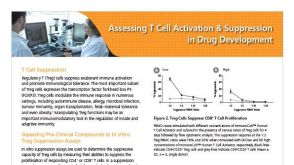
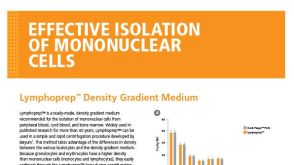

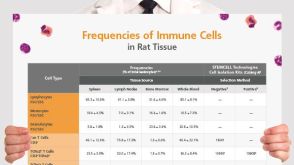 挂图Frequencies of Immune Cells in Rat Tissue Lists the estimated frequencies of more than 15 immune cell types in Sprague Dawley rats

 沪公网安备31010102008431号