c-myb supports erythropoiesis through the transactivation of KLF1 and LMO2 expression.
The c-myb transcription factor is highly expressed in immature hematopoietic cells and down-regulated during differentiation. To define its role during the hematopoietic lineage commitment,we silenced c-myb in human CD34(+) hematopoietic stem/progenitor cells. Noteworthy,c-myb silencing increased the commitment capacity toward the macrophage and megakaryocyte lineages,whereas erythroid differentiation was impaired,as demonstrated by clonogenic assay,morphologic and immunophenotypic data. Gene expression profiling and computational analysis of promoter regions of genes modulated in c-myb-silenced CD34(+) cells identified the transcription factors Kruppel-Like Factor 1 (KLF1) and LIM Domain Only 2 (LMO2) as putative targets,which can account for c-myb knockdown effects. Indeed,chromatin immunoprecipitation and luciferase reporter assay demonstrated that c-myb binds to KLF1 and LMO2 promoters and transactivates their expression. Consistently,the retroviral vector-mediated overexpression of either KLF1 or LMO2 partially rescued the defect in erythropoiesis caused by c-myb silencing,whereas only KLF1 was also able to repress the megakaryocyte differentiation enhanced in Myb-silenced CD34(+) cells. Our data collectively demonstrate that c-myb plays a pivotal role in human primary hematopoietic stem/progenitor cells lineage commitment,by enhancing erythropoiesis at the expense of megakaryocyte diffentiation. Indeed,we identified KLF1 and LMO2 transactivation as the molecular mechanism underlying Myb-driven erythroid versus megakaryocyte cell fate decision.
View Publication
产品号#:
18058
18058RF
18056
18056RF
产品名:
Boitano AE et al. (SEP 2010)
Science (New York,N.Y.) 329 5997 1345--8
Aryl hydrocarbon receptor antagonists promote the expansion of human hematopoietic stem cells.
Although practiced clinically for more than 40 years,the use of hematopoietic stem cell (HSC) transplants remains limited by the ability to expand these cells ex vivo. An unbiased screen with primary human HSCs identified a purine derivative,StemRegenin 1 (SR1),that promotes the ex vivo expansion of CD34+ cells. Culture of HSCs with SR1 led to a 50-fold increase in cells expressing CD34 and a 17-fold increase in cells that retain the ability to engraft immunodeficient mice. Mechanistic studies show that SR1 acts by antagonizing the aryl hydrocarbon receptor (AHR). The identification of SR1 and AHR modulation as a means to induce ex vivo HSC expansion should facilitate the clinical use of HSC therapy.
View Publication


 EasySep™小鼠TIL(CD45)正选试剂盒





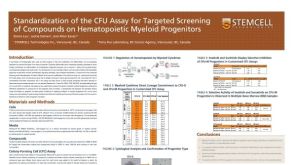
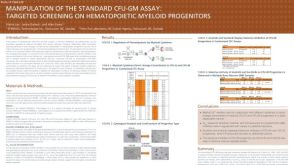 科学海报Manipulation of the Standard CFU-GM Assay Targeted Screening of Hematopoietic Myeloid Progenitors


 沪公网安备31010102008431号