Vanuytsel K et al. (SEP 2014)
Stem Cell Research 13 2 240--250
FANCA knockout in human embryonic stem cells causes a severe growth disadvantage
Fanconi anemia (FA) is an autosomal recessive disorder characterized by progressive bone marrow failure (BMF) during childhood,aside from numerous congenital abnormalities. FA mouse models have been generated; however,they do not fully mimic the hematopoietic phenotype. As there is mounting evidence that the hematopoietic impairment starts already in utero,a human pluripotent stem cell model would constitute a more appropriate system to investigate the mechanisms underlying BMF in FA and its developmental basis. Using zinc finger nuclease (ZFN) technology,we have created a knockout of FANCA in human embryonic stem cells (hESC). We introduced a selection cassette into exon 2 thereby disrupting the FANCA coding sequence and found that whereas mono-allelically targeted cells retain an unaltered proliferation potential,disruption of the second allele causes a severe growth disadvantage. As a result,heterogeneous cultures arise due to the presence of cells still carrying an unaffected FANCA allele,quickly outgrowing the knockout cells. When pure cultures of FANCA knockout hESC are pursued either through selection or single cell cloning,this rapidly results in growth arrest and such cultures cannot be maintained. These data highlight the importance of a functional FA pathway at the pluripotent stem cell stage. ?? 2014.
View Publication
产品号#:
05850
05857
05870
05875
85850
85857
85870
85875
产品名:
mTeSR™1
mTeSR™1
Song B et al. (MAY 2015)
Stem cells and development 24 9 1053--1065
Improved hematopoietic differentiation efficiency of gene-corrected beta-thalassemia induced pluripotent stem cells by CRISPR/Cas9 system.
The generation of beta-thalassemia (β-Thal) patient-specific induced pluripotent stem cells (iPSCs),subsequent homologous recombination-based gene correction of disease-causing mutations/deletions in the β-globin gene (HBB),and their derived hematopoietic stem cell (HSC) transplantation offers an ideal therapeutic solution for treating this disease. However,the hematopoietic differentiation efficiency of gene-corrected β-Thal iPSCs has not been well evaluated in the previous studies. In this study,we used the latest gene-editing tool,clustered regularly interspaced short palindromic repeats (CRISPR)/CRISPR-associated 9 (Cas9),to correct β-Thal iPSCs; gene-corrected cells exhibit normal karyotypes and full pluripotency as human embryonic stem cells (hESCs) showed no off-targeting effects. Then,we evaluated the differentiation efficiency of the gene-corrected β-Thal iPSCs. We found that during hematopoietic differentiation,gene-corrected β-Thal iPSCs showed an increased embryoid body ratio and various hematopoietic progenitor cell percentages. More importantly,the gene-corrected β-Thal iPSC lines restored HBB expression and reduced reactive oxygen species production compared with the uncorrected group. Our study suggested that hematopoietic differentiation efficiency of β-Thal iPSCs was greatly improved once corrected by the CRISPR/Cas9 system,and the information gained from our study would greatly promote the clinical application of β-Thal iPSC-derived HSCs in transplantation.
View Publication
产品号#:
04434
04444
05850
05857
05870
05875
85850
85857
85870
85875
05270
05275
产品名:
MethoCult™ H4434 Classic
MethoCult™ H4434 Classic
mTeSR™1
mTeSR™1
STEMdiff™ APEL™2 培养基
STEMdiff™ APEL™2 培养基
Lee J-HJBJH et al. (APR 2015)
Stem Cells 33 4 1142--1152
Reversible lineage-specific priming of human embryonic stem cells can be exploited to optimize the yield of differentiated cells.
The clinical use of human embryonic stem cells (hESCs) requires efficient cellular expansion that must be paired with an ability to generate specialized progeny through differentiation. Self-renewal and differentiation are deemed inherent hallmarks of hESCs and a growing body of evidence suggests that initial culture conditions dictate these two aspects of hESC behavior. Here,we reveal that defined culture conditions using commercial mTeSR1 media augment the expansion of hESCs and enhance their capacity for neural differentiation at the expense of hematopoietic lineage competency without affecting pluripotency. This culture-induced modification was shown to be reversible,as culture in mouse embryonic fibroblast-conditioned media (MEF-CM) in subsequent passages allowed mTeSR1-expanded hESCs to re-establish hematopoietic differentiation potential. Optimal yield of hematopoietic cells can be achieved by expansion in mTeSR1 followed by a recovery period in MEF-CM. Furthermore,the lineage propensity to hematopoietic and neural cell types could be predicted via analysis of surrogate markers expressed by hESCs cultured in mTeSR1 versus MEF-CM,thereby circumventing laborious in vitro differentiation assays. Our study reveals that hESCs exist in a range of functional states and balance expansion with differentiation potential,which can be modulated by culture conditions in a predictive and quantitative manner. Stem Cells 2015;33:1142-1152.
View Publication
产品号#:
04230
05850
05857
05870
05875
85850
85857
85870
85875
产品名:
MethoCult™ H4230
mTeSR™1
mTeSR™1
Ma N et al. (MAY 2015)
Journal of Biological Chemistry 290 19 12079--12089
Factor-induced Reprogramming and Zinc Finger Nuclease-aided Gene Targeting Cause Different Genome Instability in $\$-Thalassemia Induced Pluripotent Stem Cells (iPSCs).
The generation of personalized induced pluripotent stem cells (iPSCs) followed by targeted genome editing provides an opportunity for developing customized effective cellular therapies for genetic disorders. However,it is critical to ascertain whether edited iPSCs harbor unfavorable genomic variations before their clinical application. To examine the mutation status of the edited iPSC genome and trace the origin of possible mutations at different steps,we have generated virus-free iPSCs from amniotic cells carrying homozygous point mutations in beta-hemoglobin gene (HBB) that cause severe beta-thalassemia (beta-Thal),corrected the mutations in both HBB alleles by zinc finger nuclease-aided gene targeting,and obtained the final HBB gene-corrected iPSCs by excising the exogenous drug resistance gene with Cre recombinase. Through comparative genomic hybridization and whole-exome sequencing,we uncovered seven copy number variations,five small insertions/deletions,and 64 single nucleotide variations (SNVs) in beta-Thal iPSCs before the gene targeting step and found a single small copy number variation,19 insertions/deletions,and 340 single nucleotide variations in the final gene-corrected beta-Thal iPSCs. Our data revealed that substantial but different genomic variations occurred at factor-induced somatic cell reprogramming and zinc finger nuclease-aided gene targeting steps,suggesting that stringent genomic monitoring and selection are needed both at the time of iPSC derivation and after gene targeting.
View Publication
Brandl M et al. (AUG 1999)
Experimental hematology 27 8 1264--70
Bispecific antibody fragments with CD20 X CD28 specificity allow effective autologous and allogeneic T-cell activation against malignant cells in peripheral blood and bone marrow cultures from patients with B-cell lineage leukemia and lymphoma.
Bispecific antibodies directed against tumor-associated target antigens and to surface receptors mediating T-cell activation,such as the TCR/CD3 complex and the costimulatory receptor CD28,are capable of mediating T-cell activation resulting in tumor cell killing. In this study,we used the B-cell-associated antigens CD19 and CD20 as target structures on human leukemic cells. We found that a combination of bispecific antibody fragments (bsFab2) with target x CD3 and target x CD28 specificity induces vigorous autologous T-cell activation and killing of malignant cells in peripheral blood and bone marrow cultures from patients with chronic lymphocytic leukemia and follicular lymphoma. The bsFab2 targeting CD20 were considerably more effective than those binding to CD19. The colony-forming capacity of treated bone marrow was impaired due to large amounts of tumor necrosis factor alpha produced during bsFab2-induced T-cell activation. Neutralizing tumor necrosis factor alpha antibodies were found to reverse this negative effect without affecting T-cell activation and tumor cell killing. CD20 x CD28 bsFab2,when used alone rather than in combination,markedly improved the recognition of leukemic cells by allogeneic T cells. Therefore,these reagents may be capable of enhancing the immunogenicity of leukemic cells in general and,in particular,of increasing the antileukemic activity of allogeneic donor buffy coat cells in relapsed bone marrow transplanted patients.
View Publication
产品号#:
04431
产品名:
MethoCult™ H4431
Dobo I et al. (JAN 2001)
The hematology journal : the official journal of the European Haematology Association / EHA 2 6 396--403
Comparison of four serum-free, cytokine-free media for analysis of endogenous erythroid colony growth in polycythemia vera and essential thrombocythemia.
INTRODUCTION: The assay of endogenous erythroid colony formation (EEC),a characteristic of polycythemia vera and essential thrombocythemia,is not standardized. In this multicentric study,we tested four semisolid,serum-free,cytokine-free media based on either methylcellulose (M1,M2) or collagen (C1,C2) commercialized for the EEC assay. MATERIALS AND METHODS: Bone marrow mononuclear cells (BMMC) from 73 individuals (62 patients with either polycythemia vera (26),essential thrombocythemia (19),secondary polyglobuly (17) or chronic myeloid leukemia (2) and 11 healthy donors) were grown in parallel in the four media without,or with 0.01 U/ml erythropoietin (EPo). RESULTS: In all four media EEC formation was specific,as it was not observed in cultures of patients with secondary polyglobuly or chronic myeloid leukemia,nor of healthy donors. Analysis of fresh or MGG-stained collagen gel cultures allowed detection of EEC formation significantly more frequently than methylcellulose-based media; addition of 0.01 U/ml of EPo had little or no effect on EEC formation. Collagen-based medium C1 gave better results than the other media tested: the 'C1' EEC assay was positive for 68.2% of polycythemia vera cultures with significantly higher median EEC numbers (6.5/10(5) BMMC for patients with one major criteria of polycythemia vera and 19 and 21/10(5) BMMC for patients with two or three major criteria,respectively). Medium C1 was also better for essential thrombocythemia cultures with 47.4% of positive results but with a low median EEC number (6.7/10(5) BMMC). When associated with the ELISA dosage of serum EPo,the 'C1' EEC assay allowed confirmation or elimination of the diagnosis of polycythemia vera for 91% (20/22) of polyglobulic patients. CONCLUSION: We propose that serum-free collagen-based culture systems be considered to standardize the EEC assay,now part of the new criteria of polycythemia vera.
View Publication
产品号#:
04961
04965
04962
04915
04807
04809
04906
04913
04803
04804
04905
04850
04974
04902
04960
04900
04901
04963
04970
04971
产品名:
MegaCult™-C胶原和含细胞因子培养基
MegaCult™-C CFU-Mk染色试剂盒
MegaCult-C 10% BSA, 6mL
MegaCult-C Human Serum, 6mL
Alkaline Phosphatase Substrate Tabs, pk
Biotin/Conjugate Goat Anti-Mu lgG, 125uL
MegaCult-C Evans Blue Stain, 5mL
Primary Ab, Anti-HuAnti-GPIIb/IIIa 360uL
MegaCult-C Control Antibody, 100 µL
Avidin-Alk Phosphatase Conjugate, 200 uL
MegaCult™-C含脂质培养基
MegaCult™-C胶原和含脂质培养基
胶原蛋白溶液
MegaCult™-C胶原和无细胞因子培养基
MegaCult™-C无细胞因子培养基
MegaCult™-C含细胞因子培养基
双室载玻片套件
MegaCult™-C无细胞因子全套试剂盒
MegaCult™-C含细胞因子全套试剂盒
Malerba I et al. (OCT 2002)
Toxicological sciences : an official journal of the Society of Toxicology 69 2 433--8
In vitro myelotoxicity of propanil and 3,4-dichloroaniline on murine and human CFU-E/BFU-E progenitors.
Because of the wide use of pesticides for domestic and industrial purposes,the evaluation of their potential effects is of major concern for public health. The myelotoxicity of the herbicide propanil (3,4-dichloroproprioanilide) and its metabolite 3,4-dichloroaniline (DCA) is well documented in mice,but evidence that pesticides may severely compromise hematopoiesis in humans is lacking. In this study,an interspecies comparison of in vitro toxicity of these two compounds on murine and human burst- and colony-forming unit-erythrocyte (BFU-E,CFU-E) and colony-forming unit-granulocyte/macrophage (CFU-GM) progenitors,has been carried out. Murine bone marrow progenitors and human cord blood cells were exposed to propanil or DCA in doses ranging from 10 micro M to 1000 micro M,and the toxic effect was detected by a clonogenic assay with continuous exposure to the compounds. The results on murine cells indicate that the erythrocytic lineage is the most sensitive target for propanil and DCA. On the other hand,human progenitors seem to be less sensitive to the toxic effects of both compounds than murine progenitors at the same concentrations (IC(50) values are 305.2 +/- 22.6 micro M [total erythroid colonies] and textgreater500 micro M [CFU-GM] for propanil). Propanil was significantly more toxic to human erythroid progenitors than to human CFU-GM progenitors,as was found for the murine cells,emphasizing the role of the heme pathway as the target for propanil. These data confirm the evidence that the compounds investigated interfere with erythroid colony formation at different stages of the differentiation pathway and have different effects according to the dose.
View Publication
产品号#:
04564
04534
04544
产品名:
MethoCult™ H4534 Classic 无 EPO 入门试剂盒
MethoCult™ H4534 Classic(不含 EPO)
MethoCult™ H4534 Classic(不含 EPO)
Portis T and Longnecker R (JAN 2003)
Journal of virology 77 1 105--14
Epstein-Barr virus LMP2A interferes with global transcription factor regulation when expressed during B-lymphocyte development.
Epstein-Barr virus (EBV) is associated with the development of malignant lymphomas and lymphoproliferative disorders in immunocompromised individuals. The LMP2A protein of EBV is thought to play a central role in this process by allowing the virus to persist in latently infected B lymphocytes. We have demonstrated that LMP2A,when expressed in B cells of transgenic mice,allows normal B-cell developmental checkpoints to be bypassed. To identify cellular genes targeted by LMP2A that are involved in this process,we have utilized DNA microarrays to compare gene transcription in B cells from wild-type versus LMP2A transgenic mice. In B cells from LMP2A transgenic mice,we observed decreased expression of many genes associated with normal B-cell development as well as reduced levels of the transcription factors that regulate their expression. In particular,expression of the transcription factor E2A was down-regulated in bone marrow and splenic B cells. Furthermore,E2A activity was inhibited in these cells as determined by decreased DNA binding and reduced expression of its target genes,including the transcription factors early B-cell factor and Pax-5. Expression of two E2A inhibitors,Id2 and SCL,was up-regulated in splenic B cells expressing LMP2A,suggesting a possible mechanism for E2A inhibition. These results indicate that LMP2A deregulates transcription factor expression and activity in developing B cells,and this likely allows for a bypass of normal signaling events required for proper B-cell development. The ability of LMP2A to interfere with B-cell transcription factor regulation has important implications regarding its role in EBV latency.
View Publication
产品号#:
03630
产品名:
MethoCult™ M3630
Tan BL et al. (MAR 2003)
The Journal of biological chemistry 278 13 11686--95
Functional and biochemical consequences of abrogating the activation of multiple diverse early signaling pathways in Kit. Role for Src kinase pathway in Kit-induced cooperation with erythropoietin receptor.
Kit receptor tyrosine kinase and erythropoietin receptor (Epo-R) cooperate in regulating blood cell development. Mice that lack the expression of Kit or Epo-R die in utero of severe anemia. Stimulation of Kit by its ligand,stem cell factor activates several distinct early signaling pathways,including phospholipase C gamma,phosphatidylinositol 3-kinase,Src kinase,Grb2,and Grb7. The role of these pathways in Kit-induced growth,proliferation,or cooperation with Epo-R is not known. We demonstrate that inactivation of any one of these early signaling pathways in Kit significantly impairs growth and proliferation. However,inactivation of the Src pathway demonstrated the most profound defect. Combined stimulation with Epo also resulted in impaired cooperation between Src-defective Kit mutant and Epo-R and,to a lesser extent,with Kit mutants defective in the activation of phosphatidylinositol 3-kinase or Grb2. The impaired cooperation between the Src-defective Kit mutant and Epo-R was associated with reduced transphosphorylation of Epo-R and expression of c-Myc. Remarkably,restoration of only the Src pathway in a Kit receptor defective in the activation of all early signaling pathways demonstrated a 50% correction in proliferation in response to Kit stimulation and completely restored the cooperation with Epo-R. These data demonstrate an essential role for Src pathway in regulating growth,proliferation,and cooperation with Epo-R downstream from Kit.
View Publication


 EasySep™小鼠TIL(CD45)正选试剂盒




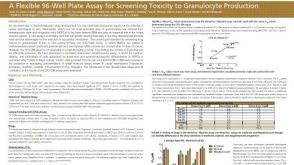 科学海报A Flexible 96-Well Plate Assay for Screening Toxicity to Granulocyte Production
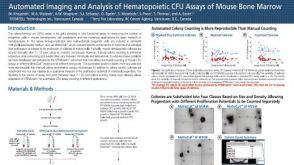 科学海报Automated Imaging and Analysis of Hematopoietic CFU Assays of Mouse Bone Marrow
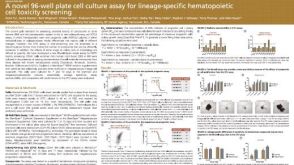 科学海报A Novel 96-well Plate Cell Culture Assay for Lineage-Specific Hematopoietic Cell Toxicity Screening
 沪公网安备31010102008431号