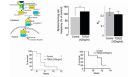
STAT-6 mediates TRAIL induced RANK ligand expression in stromal/preosteoblast cells.
Receptor activator of nuclear factor kappa-B ligand (RANKL) is a critical osteoclastogenic factor expressed in bone marrow stromal/osteoblast lineage cells. Tumor necrosis factor (TNF) related apoptosis-inducing ligand (TRAIL) levels are elevated in pathologic conditions such as multiple myeloma and inflammatory arthritis,and have been positively correlated with osteolytic markers. Osteoprotegerin (OPG) which inhibits osteoclastogenesis is a decoy receptor for RANKL and also known to interact with TRAIL. Herein,we show that TRAIL increases DR5 and DcR1 receptors but no change in the levels of DR4 and DcR2 expression in human bone marrow derived stromal/preosteoblast (SAKA-T) cell line. We further demonstrated that TRAIL treatment significantly decreased OPG mRNA expression. Interestingly,TRAIL treatment induced RANKL mRNA expression in these cells. In addition,TRAIL significantly increased NF-kB and c-Jun N-terminal kinase (JNK) activity. Human transcription factor array screening by real-time RT-PCR identified TRAIL up-regulation of the signal transducers and activators of the transcription (STAT)-6 expression in SAKA-T cells. TRAIL stimulation induced p-STAT-6 expression in human bone marrow derived primary stromal/preosteoblast cells. Confocal microscopy analysis further revealed p-STAT-6 nuclear localization in SAKA-T cells. Chromatin immunoprecipitation (ChIP) assay confirmed p-STAT-6 binding to the hRANKL gene distal promoter region. In addition,siRNA suppression of STAT-6 expression inhibits TRAIL increased hRANKL gene promoter activity. Thus,our results suggest that TRAIL induces RANKL expression through a STAT-6 dependent transcriptional regulatory mechanism in bone marrow stromal/preosteoblast cells.
View Publication
产品号#:
70022
70071
产品名:
Zhang J and Wang JH-C (MAY 2014)
Bone research 2
Kartogenin induces cartilage-like tissue formation in tendon-bone junction.
Tendon-bone junctions (TBJs) are frequently injured,especially in athletic settings. Healing of TBJ injuries is slow and is often repaired with scar tissue formation that compromises normal function. This study explored the feasibility of using kartogenin (KGN),a biocompound,to enhance the healing of injured TBJs. We first determined the effects of KGN on the proliferation and chondrogenic differentiation of rabbit bone marrow stromal cells (BMSCs) and patellar tendon stem/progenitor cells (PTSCs) in vitro. KGN enhanced cell proliferation in both cell types in a concentration-dependent manner and induced chondrogenic differentiation of stem cells,as demonstrated by high expression levels of chondrogenic markers aggrecan,collagen II and Sox-9. Besides,KGN induced the formation of cartilage-like tissues in cell cultures,as observed through the staining of abundant proteoglycans,collagen II and osteocalcin. When injected into intact rat patellar tendons in vivo,KGN induced cartilage-like tissue formation in the injected area. Similarly,when KGN was injected into experimentally injured rat Achilles TBJs,wound healing in the TBJs was enhanced,as evidenced by the formation of extensive cartilage-like tissues. These results suggest that KGN may be used as an effective cell-free clinical therapy to enhance the healing of injured TBJs.
View Publication
产品号#:
72572
产品名:
Aoyama A et al. ( 2014)
Molecular cancer therapeutics 13 12 2978--2990
Tivantinib (ARQ 197) exhibits antitumor activity by directly interacting with tubulin and overcomes ABC transporter-mediated drug resistance.
Tivantinib (ARQ197) was first reported as a highly selective inhibitor of c-MET and is currently being investigated in a phase III clinical trial. However,as recently reported by us and another group,tivantinib showed cytotoxic activity independent of cellular c-MET status and also disrupted microtubule dynamics. To investigate if tivantinib exerts its cytotoxic activity by disrupting microtubules,we quantified polymerized tubulin in cells and xenograft tumors after tivantinib treatment. Consistent with our previous report,tivantinib reduced tubulin polymerization in cells and in mouse xenograft tumors in vivo. To determine if tivantinib directly binds to tubulin,we performed an in vitro competition assay. Tivantinib competitively inhibited colchicine but not vincristine or vinblastine binding to purified tubulin. These results imply that tivantinib directly binds to the colchicine binding site of tubulin. To predict the binding mode of tivantinib with tubulin,we performed computer simulation of the docking pose of tivantinib with tubulin using GOLD docking program. Computer simulation predicts tivantinib fitted into the colchicine binding pocket of tubulin without steric hindrance. Furthermore,tivantinib showed similar IC50 values against parental and multidrug-resistant cells. In contrast,other microtubule-targeting drugs,such as vincristine,paclitaxel,and colchicine,could not suppress the growth of cells overexpressing ABC transporters. Moreover,the expression level of ABC transporters did not correlate with the apoptosis-inducing ability of tivantinib different from other microtubule inhibitor. These results suggest that tivantinib can overcome ABC transporter-mediated multidrug-resistant tumor cells and is potentially useful against various tumors.
View Publication
产品号#:
73482
73484
产品名:
O'Brien S et al. ( 2014)
Oncotarget 5 17 7945--7959
FAK inhibition with small molecule inhibitor Y15 decreases viability, clonogenicity, and cell attachment in thyroid cancer cell lines and synergizes with targeted therapeutics.
Focal adhesion kinase (FAK) is up-regulated in thyroid cancer and small molecule FAK scaffolding inhibitor,Y15,was shown to decrease cancer growth in vitro and in vivo. We sought to test the effectiveness of Y15 in thyroid cancer cell lines,profile gene expression with Y15 compared with clinical trial FAK inhibitor PF-04554878,and use Y15 in novel drug combinations. Cell viability was decreased in a dose dependent manner in four thyroid cancer cell lines with Y15 and with higher doses in PF-04554878. Y397 FAK and total FAK were decreased with Y15 and decreased less with PF-04554878. Detachment and necrosis were increased in a dose-dependent manner in all cell lines with Y15. Clonogenicity was decreased in a dose-dependent manner for both Y15 and PF-04554878. We compared gene profiles between papillary thyroid cell lines,TPC1,BCPAP and K1,and 380,109,and 74 genes were significantly textgreater2-fold changed with Y15 treatment,respectively. Common up-regulated genes were involved in apoptosis,cell cycle,transcription and heat shock; down-regulated genes were involved in cell cycle,cell-to-cell interactions,and cancer stem cell markers. We also compared gene profiles of TT cells treated with Y15 versus PF-04554878. Y15 caused 144 genes to change over 4 fold and PF-04554878 caused 208 gene changes textgreater4-fold (ptextless0.05). Among genes changed 4 fold,11 were shared between the treatments,including those involved in metabolism,cell cycle,migration and transcription. Y15 demonstrated synergy with PF-04554878 in TT cells and also synergy with Cabozantinib,Sorafenib,Pazopanib,and strong synergy with Sunitinib in resistant K1 cells. This report revealed the biological effect of Y15 inhibitor,detected the unique and common gene signature profiles in response to Y15 in 4 different thyroid cancer cell lines,demonstrated differential response changes with Y15 and PF-04554878 treatment,and showed the synergy of Y15 with PF-04554878,Cabozantinib,Sorafenib,Pazopanib,and Sunitinib.
View Publication
产品号#:
73132
73134
产品名:
Roelandt P et al. (JAN 2013)
34 4 141--147
Directed Differentiation of Pluripotent Stem Cells to Functional Hepatocytes
Differentiation of human stem cells to hepatocytes is crucial for industrial applications as well as to develop new therapeutic strategies for liver disease. The protocol described here,using sequentially growth factors known to play a role in liver embryonic development,efficiently differentiates human embryonic stem cells (hESC) as well as human-induced pluripotent stem cells (hiPSC) to hepatocytes by directing them through defined embryonic intermediates,namely,mesendoderm/definitive endoderm and hepatoblast and hepatocyte phenotype. After 28 days,the final differentiated progeny is a mixture of cells,comprising cells with characteristics of hepatoblasts and a smaller cell fraction with morphological and phenotypical features of mature hepatocytes. An extensive functional characterization of the stem cell progeny should be used to confirm that differentiated cells display functional characteristics of mature hepatocytes including albumin secretion,glycogen storage,and several detoxifying functions such as urea production,bilirubin conjugation,glutathione S-transferase activity,cytochrome activity and drug transporter activity.
View Publication
产品号#:
05850
05857
05870
05875
产品名:
Yadav MK et al. (JAN 2014)
BioMed research international 2014 156987
Sinefungin, a natural nucleoside analogue of S-adenosylmethionine, inhibits Streptococcus pneumoniae biofilm growth.
Pneumococcal colonization and disease is often associated with biofilm formation,in which the bacteria exhibit elevated resistance both to antibiotics and to host defense systems,often resulting in infections that are persistent and difficult to treat. We evaluated the effect of sinefungin,a nucleoside analogue of S-adenosylmethionine,on pneumococcal in vitro biofilm formation and in vivo colonization. Sinefungin is bacteriostatic to pneumococci and significantly decreased biofilm growth and inhibited proliferation and structure of actively growing biofilms but did not alter growth or the matrix structure of established biofilms. Sinefungin significantly reduced pneumococcal colonization in rat middle ear. The quorum sensing molecule (autoinducer-2) production was significantly reduced by 92% in sinefungin treated samples. The luxS,pfs,and speE genes were downregulated in biofilms grown in the presence of sinefungin. This study shows that sinefungin inhibits pneumococcal biofilm growth in vitro and colonization in vivo,decreases AI-2 production,and downregulates luxS,pfs,and speE gene expressions. Therefore,the S-adenosylmethionine (SAM) inhibitors could be used as lead compounds for the development of novel antibiofilm agents against pneumococci.
View Publication
产品号#:
73812
产品名:
Chen G et al. ( 2014)
PloS one 9 6 e98565
Human umbilical cord-derived mesenchymal stem cells do not undergo malignant transformation during long-term culturing in serum-free medium.
BACKGROUND Human umbilical cord-derived mesenchymal stem cells (hUC-MSCs) are in the foreground as a preferable application for treating diseases. However,the safety of hUC-MSCs after long-term culturing in vitro in serum-free medium remains unclear. METHODS hUC-MSCs were separated by adherent tissue culture. hUC-MSCs were cultured in serum-free MesenCult-XF medium and FBS-bases DMEM complete medium. At the 1st,3rd,5th,8th,10th,and 15th passage,the differentiation of MSCs into osteogenic,chondrogenic,and adipogenic cells was detected,and MTT,surface antigens were measured. Tumorigenicity was analyzed at the 15th passage. Conventional karyotyping was performed at passage 0,8,and 15. The telomerase activity of hUC-MSCs at passage 1-15 was analyzed. RESULTS Flow cytometry analysis showed that very high expression was detected for CD105,CD73,and CD90 and very low expression for CD45,CD34,CD14,CD79a,and HLA-DR. MSCs could differentiate into osteocytes,chondrocytes,and adipocytes in vitro. There was no obvious chromosome elimination,displacement,or chromosomal imbalance as determined from the guidelines of the International System for Human Cytogenetic Nomenclature. Telomerase activity was down-regulated significantly when the culture time was prolonged. Further,no tumors formed in rats injected with hUC-MSCs (P15) cultured in serum-free and in serum-containing conditions. CONCLUSION Our data showed that hUC-MSCs met the International Society for Cellular Therapy standards for conditions of long-term in vitro culturing at P15. Since hUC-MSCs can be safely expanded in vitro and are not susceptible to malignant transformation in serum-free medium,these cells are suitable for cell therapy.
View Publication
产品号#:
05420
05429
05424
产品名:
Catalli A et al. (MAY 2014)
PloS one 9 5 e96891
Stimulus-selective regulation of human mast cell gene expression, degranulation and leukotriene production by fluticasone and salmeterol.
Despite the fact that glucocorticoids and long acting beta agonists are effective treatments for asthma,their effects on human mast cells (MC) appear to be modest. Although MC are one of the major effector cells in the underlying inflammatory reactions associated with asthma,their regulation by these drugs is not yet fully understood and,in some cases,controversial. Using a human immortalized MC line (LAD2),we studied the effects of fluticasone propionate (FP) and salmeterol (SM),on the release of early and late phase mediators. LAD2 cells were pretreated with FP (100 nM),SM (1 µM),alone and in combination,at various incubation times and subsequently stimulated with agonists substance P,C3a and IgE/anti-IgE. Degranulation was measured by the release of β-hexosaminidase. Cytokine and chemokine expression were measured using quantitative PCR,ELISA and cytometric bead array (CBA) assays. The combination of FP and SM synergistically inhibited degranulation of MC stimulated with substance P (33% inhibition compared to control,n = 3,P>05). Degranulation was inhibited by FP alone,but not SM,when MC were stimulated with C3a (48% inhibition,n = 3,P>05). As previously reported,FP and SM did not inhibit degranulation when MC were stimulated with IgE/anti-IgE. FP and SM in combination inhibited substance P-induced release of tumor necrosis factor (TNF),CCL2,and CXCL8 (98%,99% and 92% inhibition,respectively,n = 4,P>05). Fluticasone and salmeterol synergistically inhibited mediator production by human MC stimulated with the neuropeptide substance P. This synergistic effect on mast cell signaling may be relevant to the therapeutic benefit of combination therapy in asthma.
View Publication
产品号#:
70040
70040.1
70040.2
产品名:
Kanak MA et al. ( 2014)
Transplantation 98 5 578--584
Alleviation of instant blood-mediated inflammatory reaction in autologous conditions through treatment of human islets with NF-κB inhibitors.
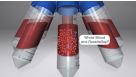
BACKGROUND: The instant blood-mediated inflammatory response (IBMIR) has been shown as a major factor that causes damage to transplanted islets. Withaferin A (WA),an inhibitor of nuclear factor (NF) κB,was shown to suppress the inflammatory response in islets and improve syngeneic islet graft survival in mice. We investigated how treating islets with NF-κB inhibitors affected IBMIR using an in vitro human autologous blood islet model. METHODS: Human islets were pretreated with or without NF-κB inhibitors WA or CAY10512 before mixing autologous blood in a miniaturized in vitro tube model. Plasma samples were collected at multiple time points and used for the measurement of C-peptide,proinsulin,thrombin-antithrombin (TAT) complex,and a panel of proinflammatory cytokines. Infiltration of neutrophils into islets was analyzed using immunohistochemistry. RESULTS: Rapid release of C-peptide and proinsulin was observed 3 hr after mixing islets and blood in the control group,but not in the NF-κB inhibitor-treated groups,whereas TAT levels were elevated in all three groups with a peak at 6 hr. Significant elevation of proinflammatory cytokines was observed in the control group after 3 hr,but not in the treatment groups. Significant inhibition of neutrophil infiltration was also observed in the WA group compared with the control (Ptextless0.001) and CAY10512 (Ptextless0.001) groups. CONCLUSIONS: A miniaturized in vitro tube model can be useful in investigating IBMIR. The presence of NF-κB inhibitor could alleviate IBMIR,thus improving the survival of transplanted islets. Protection of islets in the peritransplant phase may improve long-term graft outcomes.
View Publication
产品号#:
73022
产品名:
Thomas TE et al. (JUN 1989)
Journal of immunological methods 120 2 221--31
Specific binding and release of cells from beads using cleavable tetrameric antibody complexes.
A two-step separation procedure is described for the positive selection of cells based on their reactivity with mouse monoclonal antibodies. In the first step cells are specifically cross-linked to hapten-modified glass beads using tetrameric monoclonal antibody complexes. In the second step bound cells are selectively eluted by reductive cleavage of the tetrameric antibody complexes. The latter are comprised of two mouse IgG1 monoclonal antibodies (one recognizing a cell surface antigen on target cells and the other a hapten coupled to the glass beads) bound together by two F(ab')2 fragments of rat anti-mouse IgG1 monoclonal antibody. The complexes provide a specific cleavable cross-link between cell and bead because the disulfide bonds between the two Fab' arms of the F(ab')2 fragments can be broken under relatively mild conditions using dithiothreitol. This specific cleavage of the cross-linker allows elution of the specifically absorbed cells without co-elution of non-specifically bound cells. This is shown in the purification of CD3+ T cells from human peripheral blood,where the removed fractions were over 90% pure and approximately 50% of the positive cells were recovered. Separation of cells labelled with limiting amounts of tetrameric antibody complexes demonstrated that this separation technique was also effective for the purification of cells expressing low amounts of antigens. This was confirmed by the purification of CD34-positive cells from human bone marrow. With this approach,colony-forming cells were enriched 15-24-fold over density separated marrow.
View Publication