C. Xiong et al. (Nov 2025)
Translational Neurodegeneration 14 10258
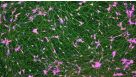
Transplantation of hiPSC-derived pericytes rescues Alzheimer’s disease phenotypes in APOE4/4 mice through IGF2-rich apoptotic vesicles
Effective therapies for Alzheimer’s disease (AD) remain to be developed. APOE4 is the strongest genetic risk factor for late-onset AD. Pericyte degeneration and blood–brain barrier (BBB) disruption are thought to be early biomarkers of AD and contribute to cognitive decline in APOE4 carriers,representing potential therapeutic targets. Our previous studies have shown that pericyte transplantation is one of the most effective strategies for BBB restoration,exhibiting great therapeutic potential for APOE4-related BBB damage and AD phenotypes. Methods: APOE4/4 mice were treated with pericytes derived from APOE3/3 human induced pluripotent stem cells (hiPSCs). Behavioral tests,AD pathologies,and BBB integrity were assessed. Subsequently,temporal and spatial distribution of the transplanted pericytes was analyzed using tdTomato+ lentivirus labeling. Next,therapeutic effects of apoptotic vesicles (ApoVs) generated from APOE3/3 pericytes were evaluated in APOE4/4 pericytes in vitro. Additionally,transcriptomic and proteomic profiling were performed to identify key effector molecules in pericyte-derived ApoVs. Finally,the therapeutic effects of ApoVs derived from pericytes were evaluated in APOE4/4 mice. Results: Early,multiple transplantations of pericytes derived from APOE3/3 hiPSCs robustly rescued cognitive decline and AD pathologies,restored BBB integrity,and prevented in situ pericyte degeneration in aged APOE4/4 mice. Intriguingly,ApoVs released from the infused cells,rather than the transplanted pericytes,were predominantly distributed in the brain,which were ingested by in situ APOE4/4 pericytes and then promoted functional recovery. We further characterized insulin growth factor-2 (IGF-2) as a key factor in APOE3/3 pericyte-derived ApoVs. Infusion of the in vitro generated ApoVs from APOE3/3 pericytes demonstrated distinct therapeutic effects in APOE4/4 mice,which were reversed by IGF2 knockout. Conclusions: APOE3/3 pericytes or APOE3/3 pericyte-derived IGF2-rich ApoVs may offer promising therapeutic strategies for APOE4-associated AD.
View Publication
产品号#:
100-0276
100-1130
产品名:
mTeSR™ Plus
mTeSR™ Plus
K. Harada et al. (Nov 2025)
Journal of Hematology & Oncology 18 8
MicroRNA-142 improves IL1RAP CAR-T cell activity in acute myeloid leukemia
Interleukin-1 receptor accessory protein (IL1RAP) is selectively expressed on both bulk blasts and leukemic stem cells (LSCs) in acute myeloid leukemia (AML),while its expression is virtually absent on normal hematopoietic stem cells (HSCs),making it an appealing target for chimeric antigen receptor (CAR) T cell therapy. Methods: We developed a novel IL1RAP-targeting CAR-T cells using a single-chain Fab (24scFab) fused to CD28 and CD3ζ costimulatory domains. CAR-T cells with a mutated IL1RAP-binding paratope were also generated as a control by introducing two point-mutations in the complementarity determining region (CDR) loops of the 24scFab domain. We tested the CAR-T cells in cell line-derived (CD) and patient-derived (PD) xenografts (X). To address persistence and activity of IL1RAP CAR-T cells,we then tested two approaches. First,we mutated two of the three immunoreceptor tyrosine-based activation motifs (ITAMs) within the CD3ζ domain (i.e.,IL1RAP-1XX CAR-T). Second,we co-administered a synthetic miR-142 mimic (M-miR-142),previously shown to enhance T cell antileukemic activity,with IL1RAP CAR-T cells to AML xenografted mice. Results: IL1RAP CAR-T cells demonstrated a potent antileukemic activity in both AML CDX and PDX models. Target specificity was confirmed by the complete loss of function of IL1RAP-mutated CAR-T cells. IL1RAP-1XX CAR-T cells improved T cell persistence in vitro but failed to demonstrate therapeutic benefit compared with IL1RAP CAR-T cells in vivo. We previously reported that leukemic cell growth suppresses miR-142 biogenesis,thereby hindering the metabolic switch and impairing host T cell antileukemic activity; this was rescued by administration of M-miR-142. Thus,we hypothesized a similar impact of leukemic cells on CAR-T and that M-miR-142 treatment could rescue it and enhance the IL1RAP CAR-T cell antileukemic activity. We showed that both CDXs and PDXs receiving M-miR-142 and IL1RAP CAR-T lived significantly longer than those receiving scrambled oligonucleotide and IL1RAP CAR-T or mutated CAR-T controls (median survival of PDX: 78 vs 51 vs 24 days). Conclusions: We have identified a potentially novel strategy to enhance CAR-T cell persistence and efficacy in AML by counteracting a leukemia-induced,microRNA-deficiency mediated mechanism of immune suppression.
View Publication
产品号#:
17654
产品名:
EasySep™ Release人PE正选试剂盒
M. Cruz-Barrera et al. (Oct 2025)
Frontiers in Immunology 16
Senescent human fibroblasts have increased FasL expression and impair the tumor immune response
Syngeneic mouse tumor models have shown that senescence influences the tumor immune response in multiple ways,including the induction of an immunosuppressive microenvironment or the promotion of immune cell recruitment. Yet,the impact of senescence on the tumor immune response in a humanized setting remains largely unexplored. MethodsTo address this question,we employed a combination cells co-culture models,tumor spheroids and mice bearing tumors immunogenic to human immune cells derived from the same donor. Results: We found that senescent fibroblasts exert a dual effect by enhancing the recruitment of immune cells into the tumor microenvironment while simultaneously promoting the apoptosis of T and NK cells. Mechanistically,we demonstrate that this apoptosis is primarily due to increased Fas ligand (FasL) expression on the surface of senescent fibroblasts. Increased FasL expression was observed on different human fibroblast cell lines in response to different senescence inducers with a particular robust effect in response to RAS-induced senescence. Deletion of FasL on fibroblasts was sufficient to prevent immune cell death and increase tumor cell killing in mice. Discussion: Our results identified the expression of FasL expression as a novel component of the senescent tumor microenvironment and highlight the importance of evaluating the impact of therapy-induced senescence in humanized models to understand and predict the outcome of cancer treatments.
View Publication
产品号#:
100-0692
17851
17851RF
产品名:
EasySep™人CD3正选试剂盒II
EasySep™人CD3正选试剂盒II
RoboSep™ 人CD3正选试剂盒II
M. J. Hovde et al. (Nov 2025)
Alzheimer's & Dementia 21 11
Inhibition of Acyl‐CoenzymeA: Cholesterol Acyltransferase 1 promotes shedding of soluble triggering receptor on myeloid cells 2 (TREM2) and low‐density lipoprotein receptor 1 (LRP1)‐dependent phagocytosis of amyloid beta protein in microglia
Lipid regulation is crucial role in Alzheimer's disease (AD) pathogenesis. In AD,microglia show elevated sterol O‐acyltransferase 1/Acyl‐coenzymeA: Choleseterol Acyltransferase 1 (SOAT1) expression,encoding Acyl‐coenzymeA: Cholesterol Acyltransferase 1 (ACAT1),which produces cholesteryl esters (CEs) in lipid droplets. Inhibiting ACAT1 has been shown to reduce amyloid beta (Aβ) pathology,though the mechanism is unclear. Methods: We inhibited ACAT1 using avasimibe (AV) in wild‐type,triggering receptor expressed on myeloid cells 2 (TREM2) knockout (KO),and low‐density lipoprotein receptor related protein 1 (LRP1) KO mouse BV2 and human induced pluripotent stem cell‐derived microglia and measured the impact on Aβ uptake to determine the mechanism through which the inhibition of ACAT1 enhances Aβ uptake. Results: ACAT1 inhibition increased LRP1 levels and soluble TREM2 (sTREM2) release via enhanced TREM2 cleavage by ADAM metallopeptidase domain 10/17 (ADAM10/17). KO of TREM2 or blockade of sTREM2 release prevented AV‐enhanced Aβ uptake. This effect was rescued by recombinant sTREM2,but only when LRP1 was present. Discussion: ACAT1 inhibition promotes microglial Aβ uptake in a sTREM2‐ and LRP1‐dependent manner,offering insights into novel therapeutic strategies for AD. Highlights: Inhibition of ACAT1,the major enzyme that catalyzes cholesterol storage via esterification enhances microglia‐mediated Aβ uptake. Increased Aβ uptake is dependent on the presence of both TREM2 and LRP1. Inhibition of ACAT1 increases cleavage of TREM2 via ADAM10/17 to release sTREM2. Treatment of microglial cells with sTREM2 rescues Aβ uptake in TREM2 KO BV2 cells.Inhibition of ACAT1 promotes Aβ uptake through increased shedding of TREM2,which enhances Aβ uptake through a LRP1‐dependent mechanism.
View Publication
产品号#:
05310
100-0276
100-0483
100-0484
100-1130
产品名:
STEMdiff™ 造血试剂盒
mTeSR™ Plus
Hausser Scientificᵀᴹ 明线血球计数板
ReLeSR™
mTeSR™ Plus
B. Zhu et al. (Nov 2025)
Scientific Reports 15 8
A fixation-compatible protocol for intracellular and surface marker-based detection of circulating tumor cells in hepatocellular carcinoma
Circulating tumor cell (CTC) detection in hepatocellular carcinoma (HCC) is limited not only by the rarity of CTCs but also by a heavy reliance on cell surface markers such as EpCAM,which are variably expressed or lost during tumor progression. Detecting intracellular markers,such as cytokeratin offers an important complementary and comprehensive strategy but remains technically limited in flow cytometry due to the need for fixation and permeabilization,which often lead to cell loss and surface epitope damage. In this study,we systematically evaluated the feasibility of using fixed samples for flow cytometry,using HepG2 cells,PBMCs,and CTCs from patients with HCC. Our results demonstrate that fixation enabled intracellular staining without compromising cell surface marker detection,even after short-term storage at 4 °C and long-term storage at -80 °C. Fixed samples,particularly fixed unfrozen,exhibited comparable staining performance to fresh samples with only a 7–10% reduction in cell recovery. Clinical validation in HCC patients confirmed successful CTC detection,and tumor-specific CTNNB1 mutations were identified in CTC-derived DNA but not in matched plasma cfDNA. These findings support fixed CTC sample workflows as a reliable and practical approach for CTC analysis in HCC.
View Publication
产品号#:
15122
15162
产品名:
RosetteSep™ 人CD45去除抗体混合物
RosetteSep™人CD45去除抗体混合物
M. Chen et al. (Nov 2025)
Cancer Immunology,Immunotherapy : CII 74 12
Combined CHK1 and PD-L1 blockade as a novel therapeutic strategy against stemness and immunosuppression in ovarian cancer
BackgroundCancer stem cells (CSCs) are considered the ‘seeds’ of recurrence after chemotherapy,but eliminating CSCs remains notoriously challenging. This study aims to examine whether cell cycle checkpoint kinase 1 (CHK1) blockade can abrogate the stemness of ovarian cancer (OC) cells,making them easier targets of anti-tumor immunity. Methods: Prexasertib was used to block CHK1 in OC cell lines and xenografts,and its cytotoxicity was assessed in vitro and in vivo. In vitro tumor-sphere formation assays and stemness markers were used to evaluate cell stemness. PD-L1 expressions were examined via qRT-PCR,Western blot,flow cytometry,and immunohistochemistry. Prexasertib in combination with anti-PD-L1 antibody Atezolizumab was tested in immune-proficient mice bearing OC xenografts in terms of effects on tumor growth,tumor cell stemness,and tumor infiltrating lymphocytes via tumor volume monitoring,immunohistochemistry,and flow cytometry. Results: Prexasertib effectively inhibited CHK1 phosphorylation,exhibited significant anti-tumor effects in vitro and in vivo,accompanied by decreased OC cell stemness. CHK1 was highly expressed in tumor spheres versus tumor cells cultured in 2D system,and Prexasertib treatment suppressed sphere formation and reduced the ALDH+ cell fraction. Unexpectedly,Prexasertib upregulated PD-L1 expression in tumor cells. In vivo,combining Prexasertib with Atezolizumab led to more remarkable remission of tumors,when compared with Prexasertib or Atezolizumab alone. Meanwhile,the tumor-infiltrating CD8+ T cells significantly increased in the combination group,while exhausted T cells decreased; the treatments did not affect CD4+ cell infiltration. Conclusions: Dual targeting of CHK1 and PD-L1 may improve OC treatment by simultaneously suppressing stemness and enhancing anti-tumor immunity.
View Publication
产品号#:
01702
产品名:
ALDEFLUOR™测定缓冲液
J. Liu et al. (Nov 2025)
Journal of Biomedical Science 32 5
Human coronavirus OC43 infection in human cerebral organoids: novel insights on pathogenesis and potential therapeutic interventions
Since the COVID-19 pandemic,there has been a documented rise in the incidence of neurological manifestations among individuals complicated with encephalitis or myelitis. The spectrum of neurological symptoms associated with HCoVs infections is expanding. However,the infection characteristics and pathogenesis of seasonal HCoVs to the central nervous system remain obscure. No pharmacological agents have demonstrated the capacity to specifically and efficaciously mitigate the neurological symptoms induced by HCoVs infections to date. Methods: We developed human cerebral organoids (HCOs) derived from human induced pluripotent stem cells and established a blood–brain barrier (BBB) HCOs co-culture model. We subjected these models to seasonal human coronavirus (HCoV) infections to investigate the viral characteristics within the central nervous system (CNS). Utilizing RNA sequencing,we conducted a preliminary exploration of the mechanisms underlying virus-induced inflammatory responses in the CNS. Furthermore,we assessed the efficacy of antiviral and anti-inflammatory drugs using the HCO model. Results: Our results showed that among seasonal coronaviruses,HCoV-OC43 replicates efficiently within the organoids,primarily targeting neurons and astrocytes,and disrupts the barrier function of the BBB. RNA sequencing analysis revealed that HCoV-OC43 infection triggers an inflammatory response through the TNF and NF-κB signaling pathways,leading to cell death,impaired neuronal function,and disrupted interneuron signaling. Interestingly,Bardoxolone methyl (CDDO-Me) demonstrated antiviral effects comparable to remdesivir,reducing both inflammation and cell death. Conclusions: Conclusively,HCOs infected with HCoV-OC43 offer valuable insights into the pathogenesis of HCoVs in central nervous system (CNS),and might serve as a tool for developing novel therapeutic strategies for HCoVs infections,including COVID-19,especially on exploring treatment candidates.Graphical abstract
View Publication
产品号#:
100-0276
100-1130
产品名:
mTeSR™ Plus
mTeSR™ Plus
D. Cuffaro et al. (Nov 2025)
Scientific Reports 15
Anti-tumor efficacy and Vδ2 T-cell activation via EGFR antibody-drug conjugates featuring novel aminobisphosphonates
Antibody–drug conjugates (ADCs) represent a promising strategy in cancer therapy,enabling the targeted delivery of cytotoxic agents to tumor cells. In this study,we developed and characterized novel ADCs combining the anti-EGFR monoclonal therapeutic antibody Cetuximab (Cet) with two aminobisphosphonates (N-BPs) analogues of zoledronic acid (ZA): DC310 and the aminothiazole DC315. These conjugates aim to enhance antitumor efficacy of Cet in colorectal cancer (CRC) by both directly inhibiting tumor cell growth and activating Vδ2 T lymphocytes. We optimized the drug-antibody ratio (DAR),achieving significantly higher DARs compared to previously reported Cet-ZA conjugate,particularly with Cet-DC315 (DAR ≈ 23). Both ADCs retained selective EGFR binding in CRC cell lines and patient-derived organoids (PDO). Functionally,Cet-DC315 markedly inhibited proliferation of EGFR⁺ CRC cell lines in conventional cultures and 3D spheroids. Furthermore,Cet-DC-315 uniquely induced expansion and cytotoxic activation of Vδ2 T cells in co-cultures with CRC cell lines,PDO,and primary tumor samples. These findings suggest that ADCs incorporating novel N-BPs such as DC315 represent a potent approach for dual antitumor targeting through direct cytostatic effects and immune activation,offering a potential therapeutic advantage in the treatment of EGFR+ colorectal cancer.
View Publication
产品号#:
34411
34415
34421
34425
34450
34460
产品名:
AggreWell™ 400 24孔板,1个
AggreWell™400 24孔板,5个
AggreWell™ 400 6孔板,1个
AggreWell™ 400 6孔板,5个
AggreWell™400 24孔板启动套装
AggreWell™ 400 6孔板启动套装
Q. Yin et al. (Nov 2025)
Nature Communications 16
Transcription factor ZNF263 primes human embryonic stem cells for pluripotency dissolution and lineage commitment
Conventional human embryonic stem cells (hESCs) are capable of self-renewal and simultaneously poised for differentiation. But the mechanisms underlying this primed pluripotent state,which endows them with elevated responsiveness to differentiation cues,remain largely underexplored. Especially,little is known about the pivotal transcription factors (TFs) that orchestrate hESCs towards primed pluripotency. Here,we report a function of TF ZNF263 in pluripotency priming. Genetic and functional assays reveal that ZNF263 directly initiates the incipient expression of early differentiation genes and concurrently dampens the core pluripotency circuitry in hESCs,greatly tilting the balance from pluripotency maintenance to lineage priming. Importantly,ZNF263 deficiency markedly impairs pluripotency dissolution and multi-lineage differentiation in hESCs,particularly toward ectoderm. Moreover,single-cell transcriptomic profiling reveals that ZNF263 promotes the priming of cell fate commitment in hESCs,suggesting its indispensable requirement for pluripotency priming and lineage commitment continuum. Together,we demonstrate the role of ZNF263 in establishing the primed pluripotent state in hESCs and facilitating their differentiation into primary germ layer lineages. Human embryonic stem cells are simultaneously capable of self-renewal and poised for differentiation. Here,the authors show a role for the ZNF263 transcription factor promotes primed pluripotency and facilitates differentiation into primary germ layer lineages.
View Publication
产品号#:
85850
85857
产品名:
mTeSR™1
mTeSR™1
F. Olayinka-Adefemi et al. (Nov 2025)
PLOS Pathogens 21 11
PI3Kdelta-driven expansion of regulatory B cells impairs protective immune responses to Trypanosoma congolense parasite infection
Phosphatidylinositol 3-kinase delta (PI3KCD) is a critical signaling enzyme for B cell development,activation,function and immune regulation. Gain-of-function mutations in PI3KCD result in the congenital immunodeficiency known as Activated PI3KCD Syndrome (APDS). APDS patients are prone to repeated infections and other serious clinical manifestations. Here,we determine how B cell-intrinsic expression of the APDS-associated PI3KCDE1021K mutation impacts immune responses to the protozoan parasite Trypanosoma congolense. PI3KCDE1021K/B mice exhibit a significant expansion of IL10-expressing B cells within the spleen and peritoneal cavity,which was associated with impaired control of T. congolense infection. Despite the generation of robust germinal center,plasma cell and antibody responses,PI3KCDE1021K/B mice show elevation in the first wave of parasitemia and increased mortality. We further characterize the phenotype of the expanded IL10-producing B cell population in PI3KCDE1021K/B mice,which show hallmarks of innate-like regulatory B cells (Breg) and expression of multiple inhibitory molecules. This Breg expansion is associated with reduced IFNγ/IL10 ratio,reduced TNFα production and impaired activation of myeloid cells,likely compromising the innate response to infection. These findings highlight the profound impact of dysregulated PI3KCD activity on regulatory B cells that can functionally impair innate immune responses controlling a systemic parasite protozoan disease. Author summaryB cells and antibodies play a critical role in the immune response to Trypanosome parasites. Molecular signaling networks within B cells can control the type of response generated during infection. Here,we studied how a genetic variant in the signaling enzyme PI3KCD,previously linked to human immune deficiencies,impacts B cell responses to Trypanosome infection. We find that mice expressing the PI3KCDE1021K mutation in their B cells show impaired control of Trypanosome infection,and alterations in several aspects of the immune response. Specifically,we noted these mice poorly control parasite growth within the first week of infection,a timeframe where specific antibody responses have not yet been generated. We noted an altered balance between pro-inflammatory and anti-inflammatory cytokine mediators produced within the first week of infection. This was associated with high numbers of regulatory B cells expressing multiple molecules capable of inhibiting other cells of the immune system. We further found that these mice show functional alterations in other critical immune cell types,such as macrophages and T cells. These findings highlight the impact of dysregulated PI3KCD activity on regulatory B cells that can impair immune responses controlling a systemic parasite protozoan disease.
View Publication