

 EasySep™小鼠TIL(CD45)正选试剂盒




“Cancer Drug Cardiotoxicity” Featuring Dr. Nazish Sayed
“Cancer Drug Cardiotoxicity” Featuring Dr. Nazish Sayed
Dr. Nazish Sayed is an Assistant Professor of Surgery at the Stanford Cardiovascular Institute. His lab is focused on developing new technologies that drive innovation in regenerative medicine, disease modeling, and drug testing in vascular biology. He talks about developing an inflammatory clock for aging, using iPSC-derived endothelial cells to run a clinical trial in a dish, and his experience as a cancer patient.
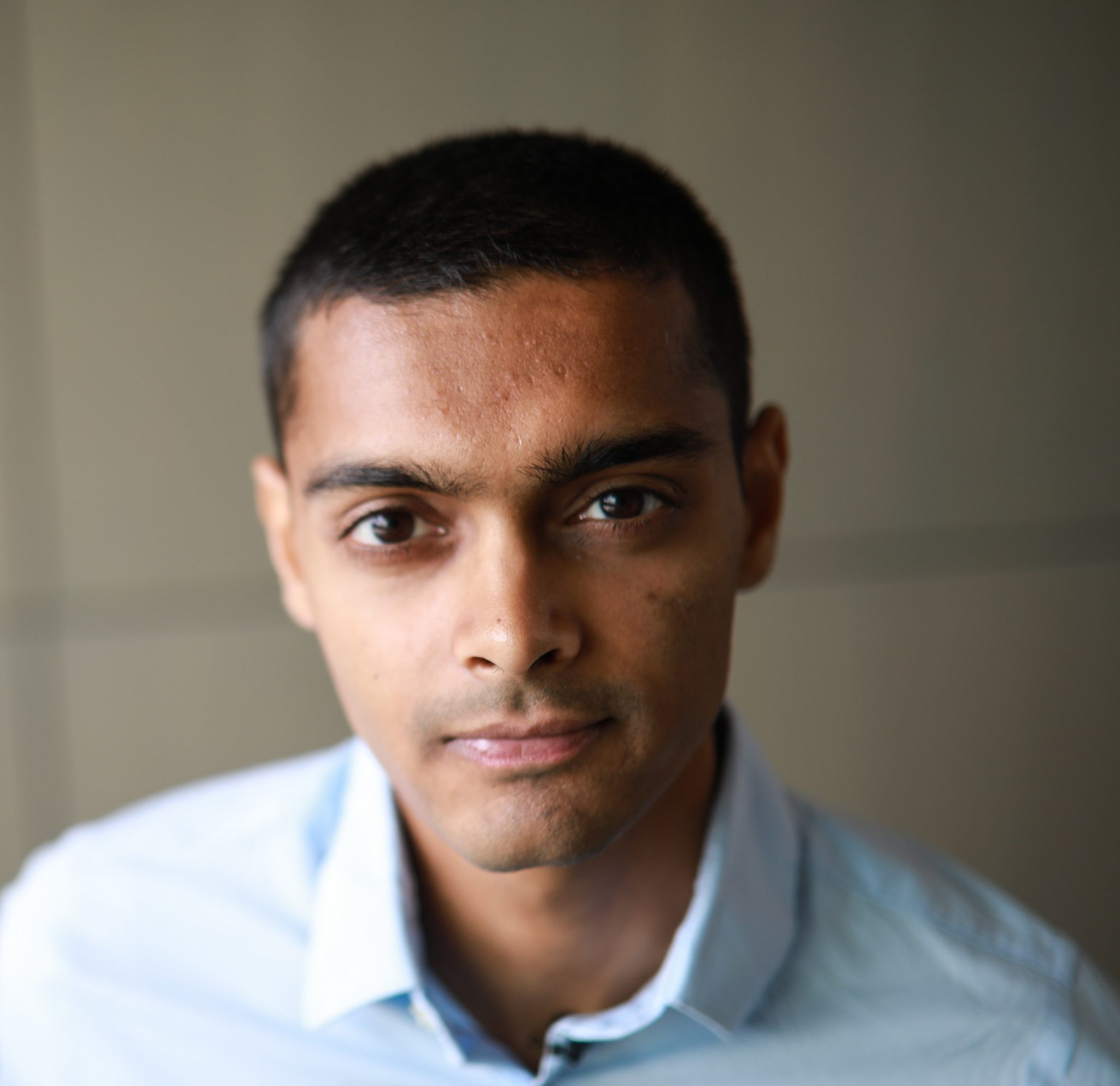
Dr. Nazish Sayed is an endothelial extraordinaire, utilizing hiPSC-derived vascular cells for studying cardio-oncology: the intersection of heart and cancer biology. And as a cancer survivor, he has a very personal connection to the topic he studies.
Dr. Arun Sharma, host
Find more episodes at stemcellpodcast.com or wherever you get your podcasts.
This Episode's Stem Cell Roundup:
- A Pig Heart Transplant – A genetically modified pig heart was transplanted into a human patient.
- Sex Differences in Brain Organoids – Researchers used brain organoids to study the effects of androgen exposure in early development on excitatory neurons and brain volume.
- An iPSC-Derived Model of Albinism – Scientists generated a patient-derived retinal pigment epithelium model that recapitulates the pigmentation defects seen in albinism.
- From Clonal Hematopoiesis to Myeloid Malignancies – Researchers showed that TRAF6 loss can initiate acute myeloid leukemia in the context of clonal hematopoiesis.

 沪公网安备31010102008431号