Haddad EA et al. (SEP 2009)
Journal of immunology (Baltimore,Md. : 1950) 183 6 3608--15
An accessory role for B cells in the IL-12-induced activation of resting mouse NK cells.
IL-12 is a potent proinflammatory cytokine. The effects of IL-12 are thought to be mediated by IFN-gamma production by NK,NKT,and T cells. In this study,we show that although IL-12 stimulates NK and NK1.1(+) T cells in bulk mouse splenocytes,it does not significantly stimulate purified NK cells,indicating that other cells are required. IL-12 stimulates T cell-deficient spleen cells and those depleted of macrophages. Unexpectedly,the depletion of dendritic cells also has little effect on the stimulation of spleen cells with IL-12. In contrast,B cell depletion almost completely inhibits IL-12-induced IFN-gamma production and B cell-deficient spleen cells are poorly stimulated with IL-12. Furthermore,purified NK cells are stimulated with IL-12 in the presence of purified B cells. Thus,B cells are necessary and also sufficient for the stimulation of purified NK cells with IL-12. Whereas spleen cells from IL-18-deficient mice are not stimulated with IL-12,NK cells purified from IL-18-deficient mice are stimulated with IL-12 in the presence of wild-type (WT) B cells,and WT NK cells are not stimulated with IL-12 in the presence of IL-18-deficient B cells. Cell contact between B and NK cells is also required for IL-12-induced IFN-gamma production. Finally,B cell-deficient mice injected with IL-12 produce significantly less IFN-gamma and IL-18 in the sera than WT mice do. Thus,stimulation of NK cells with IL-12 requires B cell cooperation in vitro as well as in vivo.
View Publication
产品类型:
产品号#:
18758
18758RF
18768
18768RF
产品名:
Xaymardan M et al. (AUG 2009)
Stem cells (Dayton,Ohio) 27 8 1911--20
c-Kit function is necessary for in vitro myogenic differentiation of bone marrow hematopoietic cells.
In recent years,the differentiation of bone marrow cells (BMCs) into myocytes has been extensively investigated,but the findings remain inconclusive. The purpose of this study was to determine the conditions necessary to induce myogenic differentiation in short-term cultures of adult BMCs,and to identify the BMC subpopulation responsible for this phenomenon. We report that high-density cultures of murine hematopoietic BMCs gave rise to spontaneous beating cell clusters in the presence of vascular endothelial and fibroblast growth factors. These clusters originated from c-kit(pos) cells. The formation of the clusters could be completely blocked by adding a c-kit/tyrosine kinase inhibitor,Gleevec (imatinib mesylate; Novartis International,Basel,Switzerland,http://www.novartis.com),to the culture. Cluster formation was also blunted in BMCs from c-kit-deficient (Kit(W)/Kit(W-v)) mice. Clustered cells expressed cardiomyocyte-specific transcription factor genes Gata-4 and Nkx2.5,sarcomeric proteins beta-MHC and MLC-2v,and ANF and connexin-43. Immunostaining revealed alpha-sarcomeric actinin expression in more than 90% of clustered cells. Under electron microscopy,the clustered cells exhibited a sarcomeric myofiber arrangement and z-bands. This study defines the microenvironment required to achieve a reproducible in vitro model of beating,myogenic cell clusters. This model could be used to examine the mechanisms responsible for the postnatal myogenic differentiation of BMCs. Our results identify c-kit(pos) bone marrow hematopoietic cells as the source of the myogenic clusters.
View Publication
产品类型:
产品号#:
18757
18757RF
产品名:
EasySep™小鼠CD117(cKIT)正选试剂盒
RoboSep™ 小鼠CD117(cKIT)正选试剂盒含滤芯吸头
Leung CG et al. (JUL 2007)
The Journal of experimental medicine 204 7 1603--11
Requirements for survivin in terminal differentiation of erythroid cells and maintenance of hematopoietic stem and progenitor cells.
Survivin,which is the smallest member of the inhibitor of apoptosis protein (IAP) family,is a chromosomal passenger protein that mediates the spindle assembly checkpoint and cytokinesis,and also functions as an inhibitor of apoptosis. Frequently overexpressed in human cancers and not expressed in most adult tissues,survivin has been proposed as an attractive target for anticancer therapies and,in some cases,has even been touted as a cancer-specific gene. Survivin is,however,expressed in proliferating adult cells,including human hematopoietic stem cells,T-lymphocytes,and erythroid cells throughout their maturation. Therefore,it is unclear how survivin-targeted anticancer therapies would impact steady-state blood development. To address this question,we used a conditional gene-targeting strategy and abolished survivin expression from the hematopoietic compartment of mice. We show that inducible deletion of survivin leads to ablation of the bone marrow,with widespread loss of hematopoietic progenitors and rapid mortality. Surprisingly,heterozygous deletion of survivin causes defects in erythropoiesis in a subset of the animals,with a dramatic reduction in enucleated erythrocytes and the presence of immature megaloblastic erythroblasts. Our studies demonstrate that survivin is essential for steady-state hematopoiesis and survival of the adult,and further,that a high level of survivin expression is critical for proper erythroid differentiation.
View Publication
产品类型:
产品号#:
19756
19756RF
产品名:
Finstad SL et al. (JUL 2007)
Journal of virology 81 13 7274--9
Diminished potential for B-lymphoid differentiation after murine leukemia virus infection in vivo and in EML hematopoietic progenitor cells.
Infection with a recombinant murine-feline gammaretrovirus,MoFe2,or with the parent virus,Moloney murine leukemia virus,caused significant reduction in B-lymphoid differentiation of bone marrow at 2 to 8 weeks postinfection. The suppression was selective,in that myeloid potential was significantly increased by infection. Analysis of cell surface markers and immunoglobulin H gene rearrangements in an in vitro model demonstrated normal B-lymphoid differentiation after infection but significantly reduced viability of differentiating cells. This reduction in viability may confer a selective advantage on undifferentiated lymphoid progenitors in the bone marrow of gammaretrovirus-infected animals and thereby contribute to the establishment of a premalignant state.
View Publication
产品类型:
产品号#:
03630
03434
03444
产品名:
MethoCult™ M3630
MethoCult™ GF M3434
MethoCult™ GF M3434
S. L. Rogers et al. (JUL 2006)
Journal of immunology (Baltimore,Md. : 1950) 177 1 414--21
A role for DNA hypomethylation and histone acetylation in maintaining allele-specific expression of mouse NKG2A in developing and mature NK cells.
The repertoire of receptors that is expressed by NK cells is critical for their ability to kill virally infected or transformed cells. However,the molecular mechanisms that determine whether and when NK receptor genes are transcribed during hemopoiesis remain unclear. In this study,we show that hypomethylation of a CpG-rich region in the mouse NKG2A gene is associated with transcription of NKG2A in ex vivo NK cells and NK cell lines. This observation was extended to various developmental stages of NK cells sorted from bone marrow,in which we demonstrate that the CpGs are methylated in the NKG2A-negative stages (hemopoietic stem cells,NK progenitors,and NKG2A-negative NK cells),and hypomethylated specifically in the NKG2A-positive NK cells. Furthermore,we provide evidence that DNA methylation is important in maintaining the allele-specific expression of NKG2A. Finally,we show that acetylated histones are associated with the CpG-rich region in NKG2A positive,but not negative,cell lines,and that treatment with the histone deacetylase inhibitor trichostatin A alone is sufficient to induce NKG2A expression. Treatment with the methyltransferase inhibitor 5-azacytidine only is insufficient to induce transcription,but cotreatment with both drugs resulted in a significantly greater induction,suggesting a cooperative role for DNA methylation and histone acetylation status in regulating gene expression. These results enhance our understanding of the formation and maintenance of NK receptor repertoires in developing and mature NK cells.
View Publication


 EasySep™小鼠TIL(CD45)正选试剂盒




 抗小鼠TCR Gamma/Delta抗体,clone GL3 亚美尼亚仓鼠Monoclonal IgG2抗体,抗小鼠T细胞受体 gamma/delta
 EasySep™小鼠/人嵌合体分选试剂盒
 科学海报Robust Serum- and Feeder-Free Expansion of Mouse B Cells In Vitro
 科学海报Immunomagnetic Isolation Method for Mouse CD4+CD25+ Regulatory T Cells
 科学海报Positive Selection of Hematopoietic Stem and Progenitor Cells from Adult Mouse Bone Marrow
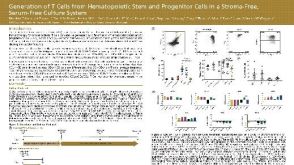 科学海报Generation of T Cells from Hematopoietic Stem and Progenitor Cells in a Stroma-Free, Serum-Free Culture System

 沪公网安备31010102008431号