R. Gélinas et al. (Apr 2024)
Frontiers in Genetics 15
Human induced pluripotent stem cells (hiPSCs) derived cells reflect tissue specificity found in patients with Leigh syndrome French Canadian variant (LSFC)
Leigh syndrome French Canadian type (LSFC) is a recessive neurodegenerative disease characterized by tissue-specific deficiency in cytochrome c oxidase (COX),the fourth complex in the oxidative phosphorylation system. LSFC is caused by mutations in the leucine rich pentatricopeptide repeat containing gene ( LRPPRC ). Most LSFC patients in Quebec are homozygous for an A354V substitution that causes a decrease in the expression of the LRPPRC protein. While LRPPRC is ubiquitously expressed and is involved in multiple cellular functions,tissue-specific expression of LRPPRC and COX activity is correlated with clinical features. In this proof-of-principle study,we developed human induced pluripotent stem cell (hiPSC)-based models from fibroblasts taken from a patient with LSFC,homozygous for the LRPPRC *354V allele,and from a control,homozygous for the LRPPRC *A354 allele. Specifically,for both of these fibroblast lines we generated hiPSC,hiPSC-derived cardiomyocytes (hiPSC-CMs) and hepatocyte-like cell (hiPSC-HLCs) lines,as well as the three germ layers. We observed that LRPPRC protein expression is reduced in all cell lines/layers derived from LSFC patient compared to control cells,with a reduction ranging from ∼70% in hiPSC-CMs to undetectable levels in hiPSC-HLC,reflecting tissue heterogeneity observed in patient tissues. We next performed exploratory analyses of these cell lines and observed that COX protein expression was reduced in all cell lines derived from LSFC patient compared to control cells. We also observed that mutant LRPPRC was associated with altered expression of key markers of endoplasmic reticulum stress response in hiPSC-HLCs but not in other cell types that were tested. While this demonstrates feasibility of the approach to experimentally study genotype-based differences that have tissue-specific impacts,this study will need to be extended to a larger number of patients and controls to not only validate the current observations but also to delve more deeply in the pathogenic mechanisms of LSFC.
View Publication
产品类型:
产品号#:
100-0483
100-0484
产品名:
Hausser Scientificᵀᴹ 明线血球计数板
ReLeSR™
Z. Sharafian et al. (May 2025)
Frontiers in Immunology 16 1
Crosstalk with infant-derived Th17 cells, as well as exposure to IL-22 promotes maturation of intestinal epithelial cells in an enteroid model
The intestinal epithelium of human infants is developmentally immature compared to that of adults. Exactly how this immaturity affects key epithelial functions and their interactions with nearby immune cells remains an understudied area of research,partly due to limited access to non-diseased infant gut tissues. Human intestinal organoids,or “mini guts” generated from tissue stem cells,are promising models for investigating intestinal biology and disease mechanisms. These three-dimensional structures closely mimic their tissue of origin,including cellular physiology and genetics. We have also previously shown that neonatal Th17 cells represent a distinct cell population with a cytokine profile skewed toward IL-22 production rather than IL-17A,as seen in adult Th17 cells. In this study,we sought to model the impact of neonatal-derived Th17 cytokine,namely IL-22 and the intestinal epithelium using infant-derived ileal enteroids. We generated enteroids from ileal biopsies from infants (< 6 months old) and cultured them for seven days with standard organoid growth media,organoid media supplemented with conditioned media from cord-blood-derived Th17 cells,or media supplemented with recombinant IL-22. We assessed morphological changes and conducted transcriptomics profiling via RNAseq. Exposing enteroids to neonatal Th17-cells-derived conditioned media led to enhanced growth,maturation,and differentiation as compared to control media. These effects were ablated when an IL-22 neutralizing antibody was used,while conversely,supplementing with recombinant IL-22 mimicked the Th17 effects,increasing intestinal epithelial cell proliferation and inducing marked differentiation of secretory cells. Our transcriptomic profiling similarly demonstrated significant changes in response to IL-22 with downregulation of Wnt and Notch signaling and upregulation of immune pathways,particularly interferon signaling. The transcriptomic data also suggested that IL-22 treatment led to changes in cell type composition with an increase in stem- and progenitor cells at the expense of enterocytes. Taken together,our data suggests that early-life intestinal development is likely influenced by IL-22-dependent crosstalk between the infant epithelium and exposure to neighboring Th17 cells. This promotes epithelial cell maturation and immune readiness,reflected at both the morphological and molecular levels. Our work also provides a relevant framework for studying healthy infant gut development,which can be further leveraged to examine early-life gastrointestinal disorders,model complex human disease,and therapeutic testing while reducing reliance on animal models.
View Publication
W. Wang et al. (may 2019)
Nature 569 7755 270--274
CD8+ T cells regulate tumour ferroptosis during cancer immunotherapy.
Cancer immunotherapy restores or enhances the effector function of CD8+ T cells in the tumour microenvironment1,2. CD8+ T cells activated by cancer immunotherapy clear tumours mainly by inducing cell death through perforin-granzyme and Fas-Fas ligand pathways3,4. Ferroptosis is a form of cell death that differs from apoptosis and results from iron-dependent accumulation of lipid peroxide5,6. Although it has been investigated in vitro7,8,there is emerging evidence that ferroptosis might be implicated in a variety of pathological scenarios9,10. It is unclear whether,and how,ferroptosis is involved in T cell immunity and cancer immunotherapy. Here we show that immunotherapy-activated CD8+ T cells enhance ferroptosis-specific lipid peroxidation in tumour cells,and that increased ferroptosis contributes to the anti-tumour efficacy of immunotherapy. Mechanistically,interferon gamma (IFNgamma) released from CD8+ T cells downregulates the expression of SLC3A2 and SLC7A11,two subunits of the glutamate-cystine antiporter system xc-,impairs the uptake of cystine by tumour cells,and as a consequence,promotes tumour cell lipid peroxidation and ferroptosis. In mouse models,depletion of cystine or cysteine by cyst(e)inase (an engineered enzyme that degrades both cystine and cysteine) in combination with checkpoint blockade synergistically enhanced T cell-mediated anti-tumour immunity and induced ferroptosis in tumour cells. Expression of system xc- was negatively associated,in cancer patients,with CD8+ T cell signature,IFNgamma expression,and patient outcome. Analyses of human transcriptomes before and during nivolumab therapy revealed that clinical benefits correlate with reduced expression of SLC3A2 and increased IFNgamma and CD8. Thus,T cell-promoted tumour ferroptosis is an anti-tumour mechanism,and targeting this pathway in combination with checkpoint blockade is a potential therapeutic approach.
View Publication
产品类型:
产品号#:
17953
17953RF
19853
19853RF
100-0710
产品名:
EasySep™人CD8+ T细胞分选试剂盒
RoboSep™ 人CD8+ T细胞分选试剂盒
EasySep™小鼠CD8+ T细胞分选试剂盒
RoboSep™ 小鼠CD8+ T细胞分选试剂盒
EasySep™人CD8+ T细胞分选试剂盒
Cai J et al. (JAN 2004)
Journal of neurochemistry 88 1 212--26
Membrane properties of rat embryonic multipotent neural stem cells.
We have characterized several potential stem cell markers and defined the membrane properties of rat fetal (E10.5) neural stem cells (NSC) by immunocytochemistry,electrophysiology and microarray analysis. Immunocytochemical analysis demonstrates specificity of expression of Sox1,ABCG2/Bcrp1,and shows that nucleostemin labels both progenitor and stem cell populations. NSCs,like hematopoietic stem cells,express high levels of aldehyde dehydrogenase (ALDH) as assessed by Aldefluor labeling. Microarray analysis of 96 transporters and channels showed that Glucose transporter 1 (Glut1/Slc2a1) expression is unique to fetal NSCs or other differentiated cells. Electrophysiological examination showed that fetal NSCs respond to acetylcholine and its agonists,such as nicotine and muscarine. NSCs express low levels of tetrodotoxin (TTX) sensitive and insensitive sodium channels and calcium channels while expressing at least three kinds of potassium channels. We find that gap junction communication is mediated by connexin (Cx)43 and Cx45,and is essential for NSC survival and proliferation. Overall,our results show that fetal NSCs exhibit a unique signature that can be used to determine their location and assess their ability to respond to their environment.
View Publication
产品类型:
产品号#:
01700
01702
01705
产品名:
ALDEFLUOR™ 试剂盒
ALDEFLUOR™测定缓冲液
ALDEFLUOR™ DEAB试剂
Juopperi TA et al. (FEB 2007)
Experimental hematology 35 2 335--41
Isolation of bone marrow-derived stem cells using density-gradient separation.
OBJECTIVE: Our laboratory has established two unique methods to isolate murine hematopoietic stem cells on the basis of functional characteristics such as the ability of stem cells to home to bone marrow and aldehyde dehydrogenase (ALDH) activity. An essential component of both protocols is the separation of whole bone marrow into small-sized cells by counter-flow elutriation. We sought to provide the scientific community with an alternate approach to acquire our stem cells by replacing elutriation with the use of density-gradient centrifugation. METHODS: The elutriated fraction 25 population was characterized based on density using a discontinuous gradient. The long-term reconstituting potential of whole bone marrow cells collected at each density interface was determined by subjecting the fractions to the two-day homing protocol,transplanting them into lethally irradiated recipient mice,and assessing peripheral blood chimerism. We also investigated the ability of high-density bone marrow cells isolated in conjunction with the ALDH protocol to repopulate the hematopoietic system of myeloablated recipients. RESULTS: Bone marrow cells collected at the high-density interface of 1.081/1.087 g/mL (fraction 3) had the capacity for homing to marrow and the ability to provide long-term hematopoietic reconstitution. Fraction three lineage-depleted ALDH-bright cells could also engraft and provide long-term hematopoiesis at limiting dilutions. CONCLUSIONS: Density-gradient centrifugation can be used in conjunction with either of our stem cell isolation protocols to obtain cells with long-term reconstitution ability. We anticipate that this strategy will encourage and enable investigators to study the biology of HSCs isolated using functional characteristics.
View Publication
产品类型:
产品号#:
01700
01702
01705
产品名:
ALDEFLUOR™ 试剂盒
ALDEFLUOR™测定缓冲液
ALDEFLUOR™ DEAB试剂
Carmona G et al. (MAR 2008)
Blood 111 5 2640--6
Activation of Epac stimulates integrin-dependent homing of progenitor cells.
Cell therapy is a novel promising option for treatment of ischemic diseases. Administered endothelial progenitor cells (EPCs) are recruited to ischemic regions and improve neovascularization. However,the number of cells that home to ischemic tissues is restricted. The GTPase Rap1 plays an important role in the regulation of adhesion and chemotaxis. We investigated whether pharmacologic activation of Epac1,a nucleotide exchange protein for Rap1,which is directly activated by cAMP,can improve the adhesive and migratory capacity of distinct progenitor cell populations. Stimulation of Epac by a cAMP-analog increased Rap1 activity and stimulated the adhesion of human EPCs,CD34(+) hematopoietic progenitor cells,and mesenchymal stem cells (MSCs). Specifically,short-term stimulation with a specific Epac activator increased the beta2-integrin-dependent adhesion of EPCs to endothelial cell monolayers,and of EPC and CD34(+) cells to ICAM-1. Furthermore,the Epac activator enhanced the beta1-integrin-dependent adhesion of EPCs and MSCs to the matrix protein fibronectin. In addition,Epac1 activation induced the beta1- and beta2-integrin-dependent migration of EPCs on fibronectin and fibrinogen. Interestingly,activation of Epac rapidly increased lateral mobility of beta1- and beta2-integrins,thereby inducing integrin polarization,and stimulated beta1-integrin affinity,whereas the beta2-integrin affinity was not increased. Furthermore,prestimulation of EPCs with the Epac activator increased homing to ischemic muscles and neovascularization-promoting capacity of intravenously injected EPCs in the model of hind limb ischemia. These data demonstrate that activation of Epac1 increases integrin activity and integrin-dependent homing functions of progenitor cells and enhances their in vivo therapeutic potential. These results may provide a platform for the development of novel therapeutic approaches to improve progenitor cell homing.
View Publication
产品类型:
产品号#:
05401
05402
05411
产品名:
MesenCult™ MSC基础培养基 (人)
MesenCult™ MSC 刺激补充剂(人)
MesenCult™ 增殖试剂盒(人)
Hertsenberg AJ and Funderburgh JL ( 2015)
1341 285--294
Generation of corneal keratocytes from human embryonic stem cells
Human Embryonic Stem Cells (hESC) offer an important resource as a limitless supply of any differentiated cell type of the human body. Keratocytes,cells from the corneal stroma,may have the potential for restoration of vision in cell therapy and biomedical engineering applications,but these specialized cells are not readily expanded in vitro. Here we describe a two-part method to produce keratocytes from the H1 hESC cell line. The hESC cells,maintained and expanded in feeder-free culture medium are first differentiated to neural crest cells using the stromal-derived inducing activity (SDIA) of the PA6 mouse embryonic fibroblast cell line. The resulting neural crest cells are selected by their expression of cell-surface CD271 and subsequently cultured as 3D pellets in a defined differentiation medium to induce a keratocyte phenotype.
View Publication
产品类型:
产品号#:
85850
85857
产品名:
mTeSR™1
mTeSR™1
Krummey SM et al. (MAR 2016)
Journal of Immunology 196 6 2838--46
Low-Affinity Memory CD8+ T Cells Mediate Robust Heterologous Immunity.
Heterologous immunity is recognized as a significant barrier to transplant tolerance. Whereas it has been established that pathogen-elicited memory T cells can have high or low affinity for cross-reactive allogeneic peptide-MHC,the role of TCR affinity during heterologous immunity has not been explored. We established a model with which to investigate the impact of TCR-priming affinity on memory T cell populations following a graft rechallenge. In contrast to high-affinity priming,low-affinity priming elicited fully differentiated memory T cells with a CD45RB(hi) status. High CD45RB status enabled robust secondary responses in vivo,as demonstrated by faster graft rejection kinetics and greater proliferative responses. CD45RB blockade prolonged graft survival in low affinity-primed mice,but not in high affinity-primed mice. Mechanistically,low affinity-primed memory CD8(+) T cells produced more IL-2 and significantly upregulated IL-2Rα expression during rechallenge. We found that CD45RB(hi) status was also a stable marker of priming affinity within polyclonal CD8(+) T cell populations. Following high-affinity rechallenge,low affinity-primed CD45RB(hi) cells became CD45RB(lo),demonstrating that CD45RB status acts as an affinity-based differentiation switch on CD8(+) T cells. Thus,these data establish a novel mechanism by which CD45 isoforms tune low affinity-primed memory CD8(+) T cells to become potent secondary effectors following heterologous rechallenge. These findings have direct implications for allogeneic heterologous immunity by demonstrating that despite a lower precursor frequency,low-affinity priming is sufficient to generate memory cells that mediate potent secondary responses against a cross-reactive graft challenge.
View Publication


 EasySep™小鼠TIL(CD45)正选试剂盒




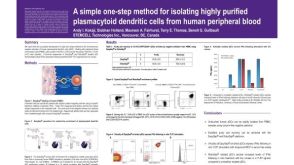 科学海报Isolation of Plasmacytoid Dendritic Cells from Human Peripheral Blood
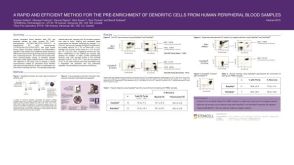 科学海报Pre-Enrichment of Dendritic Cells from Human Peripheral Blood Samples
 50:32
线上讲座Understanding Pancreatic Development and Diabetes Using Patient-Specific iPS Cells发布日期: 04/18/2016
50:32
线上讲座Understanding Pancreatic Development and Diabetes Using Patient-Specific iPS Cells发布日期: 04/18/2016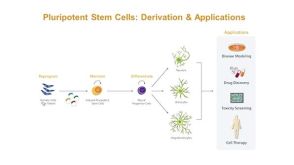

 沪公网安备31010102008431号