Mechanistic basis of excitation-contraction coupling in human pluripotent stem cell-derived ventricular cardiomyocytes revealed by Ca2+ spark characteristics: Direct evidence of functional Ca2+-induced Ca 2+ release
Background Human embryonic stem cells (hESCs) serve as a potential unlimited ex vivo source of cardiomyocytes for disease modeling,cardiotoxicity screening,drug discovery,and cell-based therapies. Despite the fundamental importance of Ca2+-induced Ca2+ release in excitation-contraction coupling,the mechanistic basis of Ca2+ handling of hESC-derived ventricular cardiomyocytes (VCMs) remains elusive. Objectives To study Ca2+ sparks as unitary events of Ca2+ handling for mechanistic insights. Methods To avoid ambiguities owing to the heterogeneous nature,we experimented with hESC-VCMs,purified on the basis of zeocin resistance and signature ventricular action potential after LV-MLC2v-tdTomato-T2A-Zeo transduction. Results Ca2+ sparks that were sensitive to inhibitors of sarco/endoplasmic reticulum Ca2+-ATPase (thapsigargin and cyclopiazonic acid) and ryanodine receptor (RyR; ryanodine,tetracaine) but not inositol trisphosphate receptors (xestospongin C and 2-aminoethyl diphenylborinate) could be recorded. In a permeabilization model,we further showed that RyRs could be sensitized by Ca2+. Increasing external Ca2+ dramatically escalated the basal Ca2+ and spark frequency. Furthermore,RyR-mediated Ca2+ release sensitized nearby RyRs,leading to compound Ca2+ sparks. Depolarization or L-type Ca2+ channel agonist (FPL 64176 and Bay K8644) pretreatment induced an extracellular Ca2+-dependent cytosolic Ca2+ increase and reduced the sarcoplasmic reticulum content. By contrast,removal of external Na+ or the addition of the Na+-Ca2+ exchanger inhibitor (KB-R7943 and SN-6) had no effect,suggesting that the Na+-Ca2+ exchanger is not involved in triggering sparks. Inhibition of mitochondrial Ca2+ uptake by carbonyl cyanide m-chlorophenyl hydrazone promoted Ca2+ waves. Conclusion Taken collectively,our findings provide the first lines of direct evidence that hESC-VCMs have functional Ca2+-induced Ca2+ release. However,the sarcoplasmic reticulum is leaky and without a mature terminating mechanism in early development.
View Publication
Ungefroren H et al. ( 2011)
Current cancer drug targets 11 4 524--535
The Src family kinase inhibitors PP2 and PP1 block TGF-beta1-mediated cellular responses by direct and differential inhibition of type I and type II TGF-beta receptors.
Both the nonreceptor tyrosine kinase Src and the receptors for transforming growth factor (TGF)-β (TβRI,TβRII) play major roles during tumorigenesis by regulating cell growth,migration/invasion and metastasis. The common Src family kinase inhibitors PP2 and PP1 effectively block Src activity in vitro and in vivo,however,they may exert non-specific effects on other kinases. In this study,we have evaluated PP2 and PP1 for their ability to inhibit TGFβ1-mediated responses in the TGF-β-responsive pancreatic adenocarcinoma cell line Panc1. We show that PP2 and PP1 but not the more specific Src inhibitor SU6656 effectively relieved TGF-b1-induced growth arrest and p21(WAF1) induction,while basal growth was enhanced by PP2 and PP1,and suppressed by SU6656. PP2 and PP1 but not SU6656 also suppressed TGF-β1-induced epithelial-to-mesenchymal transition (EMT) as evidenced by their ability to inhibit downregulation of the epithelial marker E-cadherin,and upregulation of the EMT-associated transcription factor Slug. Likewise,PP2 and PP1 but not SU6656 effectively blocked TGF-β1-induced activation of Smad2 and p38 MAPK and partially suppressed Smad activation and transcriptional activity on TGF-β/Smad-responsive reporters of a kinase-active TβRI mutant ectopically expressed in Panc1 cells. Interestingly,PP2 and PP1 strongly inhibited recombinant TβRI in an in vitro kinase assay,with PP1 being more potent and PP2 being nearly as potent as the established TβRI inhibitor SB431542. PP2 but not PP1 also weakly inhibited the TβRII kinase. Together,these data provide evidence that PP2 and PP1 are powerful inhibitors of TβR function that can block TGF-β/Smad signaling in a Src-unrelated fashion. Both agents may be useful as dual TGF-β/Src inhibitors in experimental therapeutics of late stage metastatic disease.
View Publication
R. J. Komban et al. ( 2019)
Nature communications 10 1 2423
Activated Peyer's patch B cells sample antigen directly from M cells in the subepithelial dome.
The germinal center (GC) reaction in Peyer's patches (PP) requires continuous access to antigens,but how this is achieved is not known. Here we show that activated antigen-specific CCR6+CCR1+GL7- B cells make close contact with M cells in the subepithelial dome (SED). Using in situ photoactivation analysis of antigen-specific SED B cells,we find migration of cells towards the GC. Following antigen injection into ligated intestinal loops containing PPs,40{\%} of antigen-specific SED B cells bind antigen within 2 h,whereas unspecifc cells do not,indicating B cell-receptor involvment. Antigen-loading is not observed in M cell-deficient mice,but is unperturbed in mice depleted of classical dendritic cells (DC). Thus,we report a M cell-B cell antigen-specific transporting pathway in PP that is independent of DC. We propose that this antigen transporting pathway has a critical role in gut IgA responses,and should be taken into account when developing mucosal vaccines.
View Publication


 EasySep™小鼠TIL(CD45)正选试剂盒




 新闻Now Available! Isolate Untouched Human Plasmacytoid Dendritic Cells (pDCs) with EasySep™ Human pDC Enrichment Kit (Catalog #19062)
 新闻STEMCELL Technologies Announces FDA De Novo Classification for Its EasySep™ CD138 Positive Selection Kit to Support Cancer Diagnostic Tests
 人全血CD34+细胞分选完全试剂盒 免疫磁珠正选
 科学海报Immunomagnetic Cell Isolation of Untouched Lymphocyte Populations Directly from Whole Blood
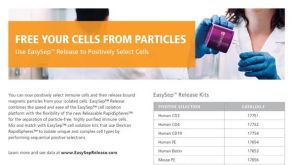 产品手册使用EasySep™ Release 获得不含磁珠标记的细胞
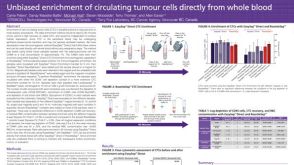 科学海报Unbiased Enrichment of Circulating Tumour Cells Directly from Whole Blood
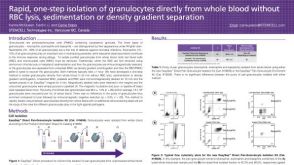 科学海报Rapid, one-step isolation of granulocytes directly from whole blood without RBC lysis, sedimentation or density spearation
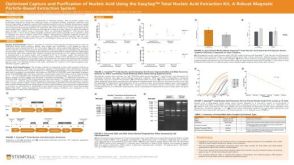

 沪公网安备31010102008431号