L. Luu et al. ( 2019)
Frontiers in cellular and infection microbiology 9 300
An Open-Format Enteroid Culture System for Interrogation of Interactions Between Toxoplasma gondii and the Intestinal Epithelium.
When transmitted through the oral route,Toxoplasma gondii first interacts with its host at the small intestinal epithelium. This interaction is crucial to controlling initial invasion and replication,as well as shaping the quality of the systemic immune response. It is therefore an attractive target for the design of novel vaccines and adjuvants. However,due to a lack of tractable infection models,we understand surprisingly little about the molecular pathways that govern this interaction. The in vitro culture of small intestinal epithelium as 3D enteroids shows great promise for modeling the epithelial response to infection. However,the enclosed luminal space makes the application of infectious agents to the apical epithelial surface challenging. Here,we have developed three novel enteroid-based techniques for modeling T. gondii infection. In particular,we have adapted enteroid culture protocols to generate collagen-supported epithelial sheets with an exposed apical surface. These cultures retain epithelial polarization,and the presence of fully differentiated epithelial cell populations. They are susceptible to infection with,and support replication of,T. gondii. Using quantitative label-free mass spectrometry,we show that T. gondii infection of the enteroid epithelium is associated with up-regulation of proteins associated with cholesterol metabolism,extracellular exosomes,intermicrovillar adhesion,and cell junctions. Inhibition of host cholesterol and isoprenoid biosynthesis with Atorvastatin resulted in a reduction in parasite load only at higher doses,indicating that de novo synthesis may support,but is not required for,parasite replication. These novel models therefore offer tractable tools for investigating how interactions between T. gondii and the host intestinal epithelium influence the course of infection.
View Publication
产品类型:
产品号#:
06005
产品名:
IntestiCult™ 肠道类器官生长培养基 (小鼠)
(Jan 2025)
Nature Communications 16
Longitudinal omics data and preclinical treatment suggest the proteasome inhibitor carfilzomib as therapy for ibrutinib-resistant CLL
Chronic lymphocytic leukemia is a malignant lymphoproliferative disorder for which primary or acquired drug resistance represents a major challenge. To investigate the underlying molecular mechanisms,we generate a mouse model of ibrutinib resistance,in which,after initial treatment response,relapse under therapy occurrs with an aggressive outgrowth of malignant cells,resembling observations in patients. A comparative analysis of exome,transcriptome and proteome of sorted leukemic murine cells during treatment and after relapse suggests alterations in the proteasome activity as a driver of ibrutinib resistance. Preclinical treatment with the irreversible proteasome inhibitor carfilzomib administered upon ibrutinib resistance prolongs survival of mice. Longitudinal proteomic analysis of ibrutinib-resistant patients identifies deregulation in protein post-translational modifications. Additionally,cells from ibrutinib-resistant patients effectively respond to several proteasome inhibitors in co-culture assays. Altogether,our results from orthogonal omics approaches identify proteasome inhibition as potentially attractive treatment for chronic lymphocytic leukemia patients resistant or refractory to ibrutinib. The molecular mechanisms underlying resistance to therapy in Chronic lymphocytic leukemia (CLL) remain to be explored. Here,the authors perform multi-omics analysis in a mouse model of ibrutinib resistance and suggest proteasome inhibition for overcoming it.
View Publication
产品类型:
产品号#:
19844
19844RF
产品名:
EasySep™小鼠Pan-B细胞分选试剂盒
RoboSep™ 小鼠Pan-B细胞分选试剂盒
N. C. Shaw et al. (Sep 2025)
Molecular Medicine 31 11
Functional characterization of the MED12 p.Arg1138Trp variant in females: implications for neural development and disease mechanism
Seven female individuals with multiple congenital anomalies,developmental delay and/or intellectual disability have been found to have a genetic variant of uncertain significance in the mediator complex subunit 12 gene ( MED12 c.3412C>T,p.Arg1138Trp). The functional consequence of this genetic variant in disease is undetermined,and insight into disease mechanism is required. We identified a de novo MED12 p.Arg1138Trp variant in a female patient and compared disease phenotypes with six female individuals identified in the literature. To investigate affected biological pathways,we derived two induced pluripotent stem cell (iPSC) lines from the patient: one expressing wildtype MED12 and the other expressing the MED12 p.Arg1138Trp variant. We performed neural disease modelling,transcriptomics and protein analysis,comparing healthy and variant cells. When comparing the two cell lines,we identified altered gene expression in neural cells expressing the variant,including genes regulating RNA polymerase II activity,transcription,pre-mRNA processing,and neural development. We also noted a decrease in MED12L expression. Pathway analysis indicated temporal delays in axon development,forebrain differentiation,and neural cell specification with significant upregulation of pre-ribosome complex gene pathways. In a human neural model,expression of MED12 p.Arg1138Trp altered neural cell development and dysregulated the pre-ribosome complex providing functional evidence of disease aetiology and mechanism in MED12-related disorders. The online version contains supplementary material available at 10.1186/s10020-025-01365-5.
View Publication
产品类型:
产品号#:
05230
08581
08582
05990
产品名:
STEMdiff™ 三谱系分化试剂盒
STEMdiff™SMADi神经诱导试剂盒
STEMdiff™SMADi神经诱导试剂盒,2套
TeSR™-E8™
Mao et al. (Nov 2024)
Communications Biology 7
Targeting protein homeostasis with small molecules as a strategy for the development of pan-coronavirus antiviral therapies
The COVID-19 pandemic has created a global health crisis,with challenges arising from the ongoing evolution of the SARS-CoV-2 virus,the emergence of new strains,and the long-term effects of COVID-19. Aiming to overcome the development of viral resistance,our study here focused on developing broad-spectrum pan-coronavirus antiviral therapies by targeting host protein quality control mechanisms essential for viral replication. Screening an in-house compound library led to the discovery of three candidate compounds targeting cellular proteostasis. The three compounds are (1) the nucleotide analog cordycepin,(2) a benzothiozole analog,and (3) an acyldepsipeptide analog initially developed as part of a campaign to target the mitochondrial ClpP protease. These compounds demonstrated dose-dependent efficacy against multiple coronaviruses,including SARS-CoV-2,effectively inhibiting viral replication in vitro as well as in lung organoids. Notably,the compounds also showed efficacy against SARS-CoV-2 delta and omicron strains. As part of this work,we developed a BSL2-level cell-integrated SARS-CoV-2 replicon,which could serve as a valuable tool for high-throughput screening and studying intracellular viral replication. Our study should aid in the advancement of antiviral drug development efforts. Subject terms: High-throughput screening,Small molecules
View Publication
产品类型:
产品号#:
05110
产品名:
STEMdiff™定型内胚层检测试剂盒
T. Sun et al. (Dec 2025)
Nature Genetics 57 12
ADAR1 editing is necessary for only a small subset of cytosolic dsRNAs to evade MDA5-mediated autoimmunity
Endogenous long double-stranded RNAs (dsRNAs),which are not edited by the RNA editing enzyme ADAR1,may activate the antiviral dsRNA receptor MDA5 to trigger interferon-mediated immune responses. Among the large number of endogenous long dsRNAs,the key substrates that activate MDA5—termed as immunogenic dsRNAs—remain largely unidentified. Here we reveal that human immunogenic dsRNAs constitute a surprisingly small fraction of all cellular dsRNAs. We found that these immunogenic dsRNAs were highly enriched in mRNAs and depleted of introns,consistent with their role as cytosolic MDA5 substrates. We validated the MDA5-dependent immunogenicity of these dsRNAs,which was dampened following ADAR1-mediated RNA editing. Notably,immunogenic dsRNAs were enriched at genetic susceptibility loci associated with common inflammatory diseases,implying their functional importance. We anticipate that a focused analysis of immunogenic dsRNAs will enhance our understanding and treatment of cancer and inflammatory diseases,where the roles of dsRNA editing and sensing are increasingly recognized. The authors show that only a small subset of cytosolic double-stranded RNAs (dsRNAs) requires ADAR1-mediated RNA editing to evade an MDA5-dependent immune response. These immunogenic dsRNAs are enriched in mRNAs and overlap with GWAS signals for common inflammatory diseases.
View Publication
产品类型:
产品号#:
05833
85850
85857
产品名:
STEMdiff™神经前体细胞培养基
mTeSR™1
mTeSR™1
Diekmann U and Naujok O ( 2016)
1341 157--172
Generation and purification of definitive endoderm cells generated from pluripotent stem cells
Differentiation of pluripotent stem cells into cells of the definitive endoderm requires an in vitro gastrulation event. Differentiated somatic cells derived from this germ layer may then be used for cell replacement therapies of degenerative diseases of the liver,lung,and pancreas. Here we describe an endoderm differentiation protocol,which initiates the differentiation from a defined cell number of dispersed single cells and reliably yields in textgreater70-80 % endoderm-committed cells in a short 5-day treatment regimen.
View Publication
产品类型:
产品号#:
85850
85857
产品名:
mTeSR™1
mTeSR™1
Saraiya M et al. (APR 2010)
Tissue engineering. Part A 16 4 1443--55
Reversine enhances generation of progenitor-like cells by dedifferentiation of annulus fibrosus cells.
The aim of this study was to determine if treatment with reversine,a purine analog,promoted generation of skeletal progenitor cells from lineage-committed annulus fibrosus cells. Reversine modulated cell growth,morphology,and the actin cytoskeleton of annulus fibrosus cells. Microarray profiling coupled with Ingenuity Pathway Analysis revealed that reversine treatment resulted in a significant expression change in many genes including those required for cell-cell interaction,cell movement,cell growth,and development. Further analysis revealed that there was involvement of gene networks concerned with cellular assembly and organization,DNA replication and repair,tissue morphology,and cell-to-cell signaling. The gene expression profile was dependent on reversine concentration. In osteogenic media,cells pretreated with 300 nM reversine exhibited an increased induction in alkaline phosphatase activity and enhanced expression of alkaline phosphatase,bone sialoprotein,osteocalcin,and collagen type I mRNA. Maintained in adipogenic media,the reversine-pretreated annulus cells displayed evidence of adipogenic differentiation: accumulation of cytosolic lipid droplets and increased expression of PPAR-gamma2,LPL,and Fabp mRNA. In chondrogenic media,cells pretreated with reversine exhibited marked increase in the induction of aggrecan,collagen types II,IX,and XI,and versican. It is concluded that reversine treatment induced annulus fibrosus cell plasticity and promoted their differentiation along mesenchymal lineages. This agent could be used to generate skeletal progenitor cells to orchestrate the repair of the intervertebral disc.
View Publication
产品类型:
产品号#:
72612
72614
产品名:
Reversine
逆转素(Reversine)
Rubio A et al. (NOV 2016)
Scientific reports 6 37540
Rapid and efficient CRISPR/Cas9 gene inactivation in human neurons during human pluripotent stem cell differentiation and direct reprogramming.
The CRISPR/Cas9 system is a rapid and customizable tool for gene editing in mammalian cells. In particular,this approach has widely opened new opportunities for genetic studies in neurological disease. Human neurons can be differentiated in vitro from hPSC (human Pluripotent Stem Cells),hNPCs (human Neural Precursor Cells) or even directly reprogrammed from fibroblasts. Here,we described a new platform which enables,rapid and efficient CRISPR/Cas9-mediated genome targeting simultaneously with three different paradigms for in vitro generation of neurons. This system was employed to inactivate two genes associated with neurological disorder (TSC2 and KCNQ2) and achieved up to 85% efficiency of gene targeting in the differentiated cells. In particular,we devised a protocol that,combining the expression of the CRISPR components with neurogenic factors,generated functional human neurons highly enriched for the desired genome modification in only 5 weeks. This new approach is easy,fast and that does not require the generation of stable isogenic clones,practice that is time consuming and for some genes not feasible.
View Publication
A. S. Smith et al. (jan 2022)
Journal for immunotherapy of cancer 10 1
B cells imprint adoptively transferred CD8+ T cells with enhanced tumor immunity.
BACKGROUND Adoptive T cell transfer (ACT) therapy improves outcomes in patients with advanced malignancies,yet many individuals relapse due to the infusion of T cells with poor function or persistence. Toll-like receptor (TLR) agonists can invigorate antitumor T cell responses when administered directly to patients,but these responses often coincide with toxicities. We posited that TLR agonists could be repurposed ex vivo to condition T cells with remarkable potency in vivo,circumventing TLR-related toxicity. METHODS In this study we investigated how tumor-specific murine CD8+ T cells and human tumor infiltrating lymphocytes (TILs) are impacted when expanded ex vivo with the TLR9 agonist CpG. RESULTS Herein we reveal a new way to reverse the tolerant state of adoptively transferred CD8+ T cells against tumors using TLR-activated B cells. We repurposed the TLR9 agonist,CpG,commonly used in the clinic,to bolster T cell-B cell interactions during expansion for ACT. T cells expanded ex vivo from a CpG-treated culture demonstrated potent antitumor efficacy and prolonged persistence in vivo. This antitumor efficacy was accomplished without in vivo administration of TLR agonists or other adjuvants of high-dose interleukin (IL)-2 or vaccination,which are classically required for effective ACT therapy. CpG-conditioned CD8+ T cells acquired a unique proteomic signature hallmarked by an IL-2R$\alpha$highICOShighCD39low phenotype and an altered metabolic profile,all reliant on B cells transiently present in the culture. Likewise,human TILs benefitted from expansion with CpG ex vivo,as they also possessed the IL-2R$\alpha$highICOShighCD39low phenotype. CpG fostered the expansion of potent CD8+ T cells with the signature phenotype and antitumor ability via empowering a direct B-T cell interaction. Isolated B cells also imparted T cells with the CpG-associated phenotype and improved tumor immunity without the aid of additional antigen-presenting cells or other immune cells in the culture. CONCLUSIONS Our results demonstrate a novel way to use TLR agonists to improve immunotherapy and reveal a vital role for B cells in the generation of potent CD8+ T cell-based therapies. Our findings have immediate implications in the clinical treatment of advanced solid tumors.
View Publication
产品类型:
产品号#:
19853
19854
19853RF
19854RF
产品名:
EasySep™小鼠CD8+ T细胞分选试剂盒
EasySep™小鼠B细胞分选试剂盒
RoboSep™ 小鼠CD8+ T细胞分选试剂盒
RoboSep™ 小鼠B细胞分选试剂盒
Huff CA and Matsui W (JUN 2008)
Journal of clinical oncology : official journal of the American Society of Clinical Oncology 26 17 2895--900
Multiple myeloma cancer stem cells.
Multiple myeloma is characterized by the clonal expansion of neoplastic plasma cells within the bone marrow,elevated serum immunoglobulin,and osteolytic bone disease. The disease is highly responsive to a wide variety of anticancer treatments including conventional cytotoxic chemotherapy,corticosteroids,radiation therapy,and a growing number of agents with novel mechanisms of action. However,few if any patients are cured with these modalities and relapse remains a critical issue. A better understanding of clonogenic multiple myeloma cells is essential to ultimately improving long-term outcomes,but the nature of the cells responsible for myeloma regrowth and disease relapse is unclear. We review evidence that functional heterogeneity exists in multiple myeloma and discuss potential strategies and clinical implications of the stem-cell model of cancer in this disease.
View Publication


 EasySep™小鼠TIL(CD45)正选试剂盒




 44:40
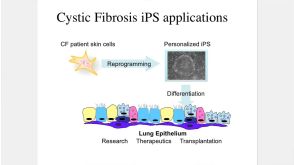
线上讲座Making Lung Cells from Pluripotent Stem Cells: Disease Modeling and Future Therapies发布日期: 08/12/2016
44:40
线上讲座Making Lung Cells from Pluripotent Stem Cells: Disease Modeling and Future Therapies发布日期: 08/12/2016

 沪公网安备31010102008431号