Generation of a human iPSC-derived cardiomyocyte/fibroblast engineered heart tissue model
Animal models have proven integral to broadening our understanding of complex cardiac diseases but have been hampered by significant species-dependent differences in cellular physiology. Human-induced pluripotent stem cell-derived cardiomyocytes (hiPSC-CMs) have shown great promise in the modelling of cardiac diseases despite limitations in functional and structural maturity. 3D stem cell-derived cardiac models represent a step towards mimicking the intricate microenvironment present in the heart as an in vitro model. Incorporation of non-myocyte cell types,such as cardiac fibroblasts,into engineered heart tissue models (EHTs) can help better recapitulate the cell-to-cell and cell-to-matrix interactions present in the human myocardium. Integration of human-induced pluripotent stem cell-derived cardiac fibroblasts (hiPSC-CFs) and hiPSC-CM into EHT models enables the generation of a genetically homogeneous modelling system capable of exploring the abstruse structural and electrophysiological interplay present in cardiac pathophysiology. Furthermore,the construction of more physiologically relevant 3D cardiac models offers great potential in the replacement of animals in heart disease research. Here we describe efficient and reproducible protocols for the differentiation of hiPSC-CMs and hiPSC-CFs and their subsequent assimilation into EHTs. The resultant EHT consists of longitudinally arranged iPSC-CMs,incorporated alongside hiPSC-CFs. EHTs with both hiPSC-CMs and hiPSC-CFs exhibit slower beating frequencies and enhanced contractile force compared to those composed of hiPSC-CMs alone. The modified protocol may help better characterise the interplay between different cell types in the myocardium and their contribution to structural remodelling and cardiac fibrosis.
View Publication
产品类型:
产品号#:
100-0276
100-1130
产品名:
mTeSR™ Plus
mTeSR™ Plus
A. R. Oliveira et al. (Feb 2026)
Journal of Neurochemistry 170 2
CASPR2 Autoimmune Antibodies Induce Neuronal Hyperactivity in Human Brain Organoids
Gestational transfer of brain‐reactive antibodies is a risk factor for neurodevelopmental disorders. Contactin‐associated protein‐like 2 (CASPR2) is a known target for pathogenic maternal autoantibodies which have been proposed to interfere with fetal neurodevelopment. However,the impact of CASPR2 antibodies on human brain development remains largely unknown. Here,to better understand the neurophysiological changes that occur in the presence of these pathogenic autoantibodies,we cultured unguided human neural organoids for a period of 6‐months in media containing anti‐CASPR2 antibodies. We then performed neurophysiological characterization via whole‐cell patch‐clamp and calcium imaging in acute organoid slices. Our results reveal that CASPR2 antibody exposure increased spontaneous synaptic activity,enhanced the maximal frequency of action potential firing and of spontaneous network activity. These findings are consistent with a state of neuronal hyperexcitability,a phenotype which is observed in several models of neurodevelopmental disorders. Mechanistically,the alterations observed in action potential waveform are in accordance with a role for CASPR2 in the regulation of voltage‐gated potassium channels and a pathological role for CASPR2 autoantibodies in driving neuronal hyperexcitability. Maternal antibodies targeting CASPR2 are a known risk factor for neurodevelopmental disorders,yet their impact on early human brain development remains unclear. We modeled this exposure using human neural organoids treated with patient‐derived CASPR2 antibodies up to the age of 6 months. Our study reveals that these antibodies drive neurons into a state of pathological hyperexcitability by specifically impairing action potential repolarization and enhancing excitatory synaptic transmission. These findings provide novel mechanistic evidence linking maternal autoimmunity to the excitation/inhibition imbalance characteristic of autism,highlighting a potential biological origin for antibody‐mediated neurodevelopmental conditions.
View Publication
Gibbons JJ et al. (DEC 2009)
Seminars in oncology 36 Suppl 3 S3--S17
Mammalian target of rapamycin: discovery of rapamycin reveals a signaling pathway important for normal and cancer cell growth.
Since the discovery of rapamycin,considerable progress has been made in unraveling the details of the mammalian target of rapamycin (mTOR) signaling network,including the upstream mechanisms that modulate mTOR signaling functions,and the roles of mTOR in the regulation of mRNA translation and other cell growth-related responses. mTOR is found in two different complexes within the cell,mTORC1 and mTORC2,but only mTORC1 is sensitive to inhibition by rapamycin. mTORC1 is a master controller of protein synthesis,integrating signals from growth factors within the context of the energy and nutritional conditions of the cell. Activated mTORC1 regulates protein synthesis by directly phosphorylating 4E-binding protein 1 (4E-BP1) and p70S6K (S6K),translation initiation factors that are important to cap-dependent mRNA translation,which increases the level of many proteins that are needed for cell cycle progression,proliferation,angiogenesis,and survival pathways. In normal physiology,the roles of mTOR in both glucose and lipid catabolism underscore the importance of the mTOR pathway in the production of metabolic energy in quantities sufficient to fuel cell growth and mitotic cell division. Several oncogenes and tumor-suppressor genes that activate mTORC1,often through the phosphatidylinositol 3-kinase (PI3K)/AKT pathway,are frequently dysregulated in cancer. Novel analogs of rapamycin (temsirolimus,everolimus,and deforolimus),which have improved pharmaceutical properties,were designed for oncology indications. Clinical trials of these analogs have already validated the importance of mTOR inhibition as a novel treatment strategy for several malignancies. Inhibition of mTOR now represents an attractive anti-tumor target,either alone or in combination with strategies to target other pathways that may overcome resistance. The far-reaching downstream consequences of mTOR inhibition make defining the critical molecular effector mechanisms that mediate the anti-tumor response and associated biomarkers that predict responsiveness to mTOR inhibitors a challenge and priority for the field.
View Publication
产品类型:
产品号#:
73362
73364
100-1050
产品名:
Rapamycin
雷帕霉素
雷帕霉素
Yang YM et al. (JUN 2013)
Cell stem cell 12 6 713--26
A small molecule screen in stem-cell-derived motor neurons identifies a kinase inhibitor as a candidate therapeutic for ALS.
Amyotrophic lateral sclerosis (ALS) is a rapidly progressing neurodegenerative disease,characterized by motor neuron (MN) death,for which there are no truly effective treatments. Here,we describe a new small molecule survival screen carried out using MNs from both wild-type and mutant SOD1 mouse embryonic stem cells. Among the hits we found,kenpaullone had a particularly impressive ability to prolong the healthy survival of both types of MNs that can be attributed to its dual inhibition of GSK-3 and HGK kinases. Furthermore,kenpaullone also strongly improved the survival of human MNs derived from ALS-patient-induced pluripotent stem cells and was more active than either of two compounds,olesoxime and dexpramipexole,that recently failed in ALS clinical trials. Our studies demonstrate the value of a stem cell approach to drug discovery and point to a new paradigm for identification and preclinical testing of future ALS therapeutics.
View Publication
产品类型:
产品号#:
72782
产品名:
Kenpaullone
M. G. Poulos et al. (Mar 2024)
Stem Cell Reviews and Reports 20 4
Complementary and Inducible creER T2 Mouse Models for Functional Evaluation of Endothelial Cell Subtypes in the Bone Marrow
In the adult bone marrow (BM),endothelial cells (ECs) are an integral component of the hematopoietic stem cell (HSC)-supportive niche,which modulates HSC activity by producing secreted and membrane-bound paracrine signals. Within the BM,distinct vascular arteriole,transitional,and sinusoidal EC subtypes display unique paracrine expression profiles and create anatomically-discrete microenvironments. However,the relative contributions of vascular endothelial subtypes in supporting hematopoiesis is unclear. Moreover,constitutive expression and off-target activity of currently available endothelial-specific and endothelial-subtype-specific murine cre lines potentially confound data analysis and interpretation. To address this,we describe two tamoxifen-inducible cre -expressing lines,Vegfr3-creER T2 and Cx40-creER T2,that efficiently label sinusoidal/transitional and arteriole endothelium respectively in adult marrow,without off-target activity in hematopoietic or perivascular cells. Utilizing an established mouse model in which cre -dependent recombination constitutively-activates MAPK signaling within adult endothelium,we identify arteriole ECs as the driver of MAPK-mediated hematopoietic dysfunction. These results define complementary tamoxifen-inducible creER T2 -expressing mouse lines that label functionally-discrete and non-overlapping sinusoidal/transitional and arteriole EC populations in the adult BM,providing a robust toolset to investigate the differential contributions of vascular subtypes in maintaining hematopoietic homeostasis. The online version contains supplementary material available at 10.1007/s12015-024-10703-9.
View Publication
产品类型:
产品号#:
03434
03444
产品名:
MethoCult™GF M3434
MethoCult™GF M3434
Y. Gong et al. (mar 2020)
Scientific reports 10 1 3835
Novel elvitegravir nanoformulation for drug delivery across the blood-brain barrier to achieve HIV-1 suppression in the CNS macrophages.
The use of antiretroviral therapy (ART) has remarkably decreased the morbidity associated with HIV-1 infection,however,the prevalence of HIV-1-associated neurocognitive disorders (HAND) is still increasing. The blood-brain barrier (BBB) is the major impediment for penetration of antiretroviral drugs,causing therapeutics to reach only suboptimal level to the brain. Conventional antiretroviral drug regimens are not sufficient to improve the treatment outcomes of HAND. In our recent report,we have developed a poloxamer-PLGA nanoformulation loaded with elvitegravir (EVG),a commonly used antiretroviral drug. The nanoformulated EVG is capable of elevating intracellular drug uptake and simultaneously enhance viral suppression in HIV-1-infected macrophages. In this work,we identified the clinical parameters including stability,biocompatibility,protein corona,cellular internalization pathway of EVG nanoformulation for its potential clinical translation. We further assessed the ability of this EVG nanoformulation to cross the in vitro BBB model and suppress the HIV-1 in macrophage cells. Compared with EVG native drug,our EVG nanoformulation demonstrated an improved BBB model penetration cross the in vitro BBB model and an enhanced HIV-1 suppression in HIV-1-infected human monocyte-derived macrophages after crossing the BBB model without altering the BBB model integrity. Overall,this is an innovative and optimized treatment strategy that has a potential for therapeutic interventions in reducing HAND.
View Publication
产品类型:
产品号#:
15028
15068
产品名:
RosetteSep™ 人单核细胞富集抗体混合物
RosetteSep™人单核细胞富集抗体混合物
Wang X et al. (JUL 2013)
mAbs 5 4 540--4
Generation and characterization of a unique reagent that recognizes a panel of recombinant human monoclonal antibody therapeutics in the presence of endogenous human IgG
Pharmacokinetic (PK) and immunohistochemistry (IHC) assays are essential to the evaluation of the safety and efficacy of therapeutic monoclonal antibodies (mAb) during drug development. These methods require reagents with a high degree of specificity because low concentrations of therapeutic antibody need to be detected in samples containing high concentrations of endogenous human immunoglobulins. Current assay reagent generation practices are labor-intensive and time-consuming. Moreover,these practices are molecule-specific and so only support one assay for one program at a time. Here,we describe a strategy to generate a unique assay reagent,10C4,that preferentially recognizes a panel of recombinant human mAbs over endogenous human immunoglobulins. This panel-specific" feature enables the reagent to be used in PK and IHC assays for multiple structurally-related therapeutic mAbs. Characterization revealed that the 10C4 epitope is conformational�
View Publication
产品类型:
产品号#:
03800
03801
03802
03803
03804
03805
03806
产品名:
ClonaCell™-HY 杂交瘤试剂盒
ClonaCell™-HY Medium
ClonaCell™-HY Medium
ClonaCell™-HY Medium
ClonaCell™-HY Medium
ClonaCell™-HY Medium
ClonaCell™-HY PEG (融合)
Wang LH et al. (APR 1999)
Journal of immunology (Baltimore,Md. : 1950) 162 7 3897--3904
JAK3, STAT, and MAPK signaling pathways as novel molecular targets for the tyrphostin AG-490 regulation of IL-2-mediated T cell response.
AG-490 is a member of the tyrphostin family of tyrosine kinase inhibitors. While AG-490 has been considered to be a Janus kinase (JAK)2-specific inhibitor,these conclusions were primarily drawn from acute lymphoblastic leukemia cells that lack readily detectable levels of JAK3. In the present study,evidence is provided that clearly demonstrates AG-490 potently suppresses IL-2-induced T cell proliferation,a non-JAK2-dependent signal,in a dose-dependent manner in T cell lines D10 and CTLL-2. AG-490 blocked JAK3 activation and phosphorylation of its downstream counterpart substrates,STATs. Inhibition of JAK3 by AG-490 also compromised the Shc/Ras/Raf/mitogen-activated protein kinase (MAPK) signaling pathways as measured by phosphorylation of Shc and extracellular signal-related kinase 1 and 2 (ERK1/2). AG-490 effectively inhibited tyrosine phosphorylation and DNA binding activities of several transcription factors including STAT1,-3,-5a,and -5b and activating protein-1 (AP-1) as judged by Western blot analysis and electrophoretic mobility shift assay. These data suggest that AG-490 is a potent inhibitor of the JAK3/STAT,JAK3/AP-1,and JAK3/MAPK pathways and their cellular consequences. Taken together,these findings support the notion that AG-490 possesses previously unrecognized clinical potential as an immunotherapeutic drug due to its inhibitory effects on T cell-derived signaling pathways.
View Publication
产品类型:
产品号#:
72932
产品名:
AG-490
Mitchell WB et al. (MAY 2007)
Blood 109 9 3725--32
Mapping early conformational changes in alphaIIb and beta3 during biogenesis reveals a potential mechanism for alphaIIbbeta3 adopting its bent conformation.
Current evidence supports a model in which the low-affinity state of the platelet integrin alphaIIbbeta3 results from alphaIIbbeta3 adopting a bent conformation. To assess alphaIIbbeta3 biogenesis and how alphaIIbbeta3 initially adopts the bent conformation,we mapped the conformational states occupied by alphaIIb and beta3 during biogenesis using conformation-specific monoclonal antibodies (mAbs). We found that alphaIIbbeta3 complex formation was not limited by the availability of either free pro-alphaIIb or free beta3,suggesting that other molecules,perhaps chaperones,control complex formation. Five beta3-specific,ligand-induced binding site (LIBS) mAbs reacted with much or all free beta3 but not with beta3 when in complex with mature alphaIIb,suggesting that beta3 adopts its mature conformation only after complex formation. Conversely,2 alphaIIb-specific LIBS mAbs directed against the alphaIIb Calf-2 region adjacent to the membrane reacted with only minor fractions of free pro-alphaIIb,raising the possibility that pro-alphaIIb adopts a bent conformation early in biogenesis. Our data suggest a working model in which pro-alphaIIb adopts a bent conformation soon after synthesis,and then beta3 assumes its bent conformation by virtue of its interaction with the bent pro-alphaIIb.
View Publication
产品类型:
产品号#:
15026
15066
产品名:
RosetteSep™ 人造血祖细胞富集抗体混合物
RosetteSep™人造血祖细胞富集抗体混合物
S. Kalyan et al. (apr 2020)
Scientific reports 10 1 5901
Distinct inactivated bacterial-based immune modulators vary in their therapeutic efficacies for treating disease based on the organ site of pathology.
Recent developments in understanding how the functional phenotype of the innate immune system is programmed has led to paradigm-shifting views on immunomodulation. These advances have overturned two long-held dogmas: (1) only adaptive immunity confers immunological memory; and,(2) innate immunity lacks specificity. This work describes the observation that innate immune effector cells appear to be differentially recruited to specific pathological sites when mobilized by distinct inactivated bacterial-based stimuli administered subcutaneously. The studies presented suggest that the immune system,upon detecting the first signs of a potential infection by a specific pathogen,tends to direct its resources to the compartment from which that pathogen is most likely originating. The findings from this work puts forth the novel hypothesis that the immunotherapeutic efficacy of a microbial-based stimulus for innate immune mobilization depends on the correct selection of the microbial species used as the stimulant and its relationship to the organ in which the pathology is present.
View Publication


 EasySep™小鼠TIL(CD45)正选试剂盒




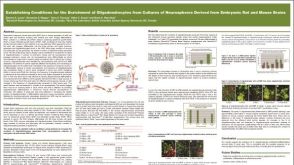 科学海报Establishing Conditions for the Enrichment of Oligodendrocytes from Cultures of Neurospheres Derived from Embryonic Rat and Mouse Brains

 沪公网安备31010102008431号