Intrinsic Immunity Shapes Viral Resistance of Stem Cells.
Stem cells are highly resistant to viral infection compared to their differentiated progeny; however,the mechanism is mysterious. Here,we analyzed gene expression in mammalian stem cells and cells at various stages of differentiation. We find that,conserved across species,stem cells express a subset of genes previously classified as interferon (IFN) stimulated genes (ISGs) but that expression is intrinsic,as stem cells are refractory to interferon. This intrinsic ISG expression varies in a cell-type-specific manner,and many ISGs decrease upon differentiation,at which time cells become IFN responsive,allowing induction of a broad spectrum of ISGs by IFN signaling. Importantly,we show that intrinsically expressed ISGs protect stem cells against viral infection. We demonstrate the in vivo importance of intrinsic ISG expression for protecting stem cells and their differentiation potential during viral infection. These findings have intriguing implications for understanding stem cell biology and the evolution of pathogen resistance.
View Publication
Scalzo-Inguanti K et al. (MAY 2017)
Journal of leukocyte biology
A neutralizing anti-G-CSFR antibody blocks G-CSF-induced neutrophilia without inducing neutropenia in nonhuman primates.
Neutrophils are the most abundant WBCs and have an essential role in the clearance of pathogens. Tight regulation of neutrophil numbers and their recruitment to sites of inflammation is critical in maintaining a balanced immune response. In various inflammatory conditions,such as rheumatoid arthritis,vasculitis,cystic fibrosis,and inflammatory bowel disease,increased serum G-CSF correlates with neutrophilia and enhanced neutrophil infiltration into inflamed tissues. We describe a fully human therapeutic anti-G-CSFR antibody (CSL324) that is safe and well tolerated when administered via i.v. infusion to cynomolgus macaques. CSL324 was effective in controlling G-CSF-mediated neutrophilia when administered either before or after G-CSF. A single ascending-dose study showed CSL324 did not alter steady-state neutrophil numbers,even at doses sufficient to completely prevent G-CSF-mediated neutrophilia. Weekly infusions of CSL324 (%10 mg/kg) for 3 wk completely neutralized G-CSF-mediated pSTAT3 phosphorylation without neutropenia. Moreover,repeat dosing up to 100 mg/kg for 12 wk did not result in neutropenia at any point,including the 12-wk follow-up after the last infusion. In addition,CSL324 had no observable effect on basic neutrophil functions,such as phagocytosis and oxidative burst. These data suggest that targeting G-CSFR may provide a safe and effective means of controlling G-CSF-mediated neutrophilia as observed in various inflammatory diseases.
View Publication


 EasySep™小鼠TIL(CD45)正选试剂盒




 技术公告Expansion and Differentiation of Hematopoietic Stem and Progenitor Cells into Natural Killer (NK) Cells Using StemSpan™ Medium and Supplements
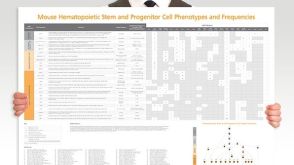 挂图Mouse Hematopoietic Stem and Progenitor Cell Phenotyping Overview of mouse HSPC subset surface markers and frequencies发布日期: 08/10/2018


 沪公网安备31010102008431号