

 EasySep™小鼠TIL(CD45)正选试剂盒




技术资料
-

-
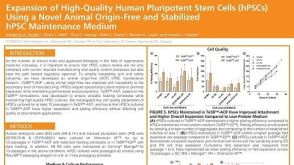 科学海报Expansion of High-Quality Human Pluripotent Stem Cells (hPSCs) Using a Novel Animal Origin-Free and Stabilized hPSC Maintenance Medium
Conference:
The New York Stem Cell Foundation Conference 2020
-
 实验方案How to Prepare and Plate Semi-Solid Methylcellulose Medium for Cell Culture
研究方向:
干细胞生物学,细胞系制备,药物发现和毒性检测
-
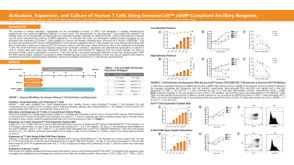 科学海报Activation, Expansion, and Culture of Human T Cells Using ImmunoCult™ cGMP-Compliant Ancillary Reagents
Conference:
ISCT 2024
-
产品号#:
03804
产品名:
ClonaCell™-HY Medium
-
产品号#:
03800
03801
03802
03803
03804
03805
03806
产品名:
ClonaCell™-HY 杂交瘤试剂盒
ClonaCell™-HY Medium
ClonaCell™-HY Medium
ClonaCell™-HY Medium
ClonaCell™-HY Medium
ClonaCell™-HY Medium
ClonaCell™-HY PEG (融合)
-
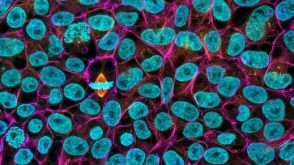 实验方案Large-Scale Expansion of hPSCs in 2D Monolayer Culture using mTeSR™ Plus
研究方向:
干细胞生物学,细胞治疗开发,细胞系制备
发布日期: 04/20/2023



 沪公网安备31010102008431号