Organoid cultures derived from patients with advanced prostate cancer.
The lack of in vitro prostate cancer models that recapitulate the diversity of human prostate cancer has hampered progress in understanding disease pathogenesis and therapy response. Using a 3D organoid system,we report success in long-term culture of prostate cancer from biopsy specimens and circulating tumor cells. The first seven fully characterized organoid lines recapitulate the molecular diversity of prostate cancer subtypes,including TMPRSS2-ERG fusion,SPOP mutation,SPINK1 overexpression,and CHD1 loss. Whole-exome sequencing shows a low mutational burden,consistent with genomics studies,but with mutations in FOXA1 and PIK3R1,as well as in DNA repair and chromatin modifier pathways that have been reported in advanced disease. Loss of p53 and RB tumor suppressor pathway function are the most common feature shared across the organoid lines. The methodology described here should enable the generation of a large repertoire of patient-derived prostate cancer lines amenable to genetic and pharmacologic studies.
View Publication
Effector T Cells Abrogate Stroma-Mediated Chemoresistance in Ovarian Cancer.
Effector T cells and fibroblasts are major components in the tumor microenvironment. The means through which these cellular interactions affect chemoresistance is unclear. Here,we show that fibroblasts diminish nuclear accumulation of platinum in ovarian cancer cells,resulting in resistance to platinum-based chemotherapy. We demonstrate that glutathione and cysteine released by fibroblasts contribute to this resistance. CD8(+) T cells abolish the resistance by altering glutathione and cystine metabolism in fibroblasts. CD8(+) T-cell-derived interferon (IFN)γ controls fibroblast glutathione and cysteine through upregulation of gamma-glutamyltransferases and transcriptional repression of system xc(-) cystine and glutamate antiporter via the JAK/STAT1 pathway. The presence of stromal fibroblasts and CD8(+) T cells is negatively and positively associated with ovarian cancer patient survival,respectively. Thus,our work uncovers a mode of action for effector T cells: they abrogate stromal-mediated chemoresistance. Capitalizing upon the interplay between chemotherapy and immunotherapy holds high potential for cancer treatment.
View Publication
产品号#:
17953
17953RF
15022
15062
100-0710
产品名:
EasySep™人CD8+ T细胞分选试剂盒
RoboSep™ 人CD8+ T细胞分选试剂盒
RosetteSep™人CD4+ T细胞富集抗体混合物
RosetteSep™人CD4+ T细胞富集抗体混合物
EasySep™人CD8+ T细胞分选试剂盒
A. Kuske et al. (DEC 2016)
Scientific reports 6 39736
Improved detection of circulating tumor cells in non-metastatic high-risk prostate cancer patients.
The relevance of blood-based assays to monitor minimal residual disease (MRD) in non-metastatic prostate cancer (PCa) remains unclear. Proving that clinically relevant circulating tumor cells (CTCs) can be detected with available technologies could address this. This study aimed to improve CTC detection in non-metastatic PCa patients by combining three independent CTC assays: the CellSearch system,an in vivo CellCollector and the EPISPOT. Peripheral blood samples from high-risk PCa patients were screened for CTCs before and three months after radical prostatectomy (RP). Combining the results of both time points,CTCs were detected in 37{\%},54.9{\%} and 58.7{\%} of patients using CellSearch,CellCollector and EPISPOT,respectively. The cumulative positivity rate of the three CTC assays was 81.3{\%} (87/107) with 21.5{\%} (23/107) of patients harboring ≥5 CTCs/7.5 ml blood. Matched pair analysis of 30 blood samples taken before and after surgery indicated a significant decrease in CTCs captured by the CellCollector from 66{\%} before RP to 34{\%} after therapy (p = 0.031). CTC detection by EPISPOT before RP significantly correlated with PSA serum values (p {\textless} 0.0001) and clinical tumor stage (p = 0.04),while the other assays showed no significant correlations. In conclusion,CTC-based liquid biopsies have the potential to monitor MRD in patients with non-metastatic prostate cancer.
View Publication
产品号#:
15127
15167
15137
15177
产品名:
含抗CD36的 RosetteSep™ CTC富集抗体混合物
含抗CD36的 RosetteSep™ CTC富集抗体混合物
含抗CD56的RosetteSep™ CTC富集抗体混合物
含抗CD56的RosetteSep™ CTC富集抗体混合物
Narla RK et al. ( 1998)
Clinical cancer research : an official journal of the American Association for Cancer Research 4 6 1405--1414
4-(3'-Bromo-4'hydroxylphenyl)-amino-6,7-dimethoxyquinazoline: a novel quinazoline derivative with potent cytotoxic activity against human glioblastoma cells.
The novel quinazoline derivative 4-(3'-bromo-4'-hydroxylphenyl)-amino-6,7-dimethoxyquinazoline (WHI-P154) exhibited significant cytotoxicity against U373 and U87 human glioblastoma cell lines,causing apoptotic cell death at micromolar concentrations. The in vitro antiglioblastoma activity of WHI-P154 was amplified textgreater 200-fold and rendered selective by conjugation to recombinant human epidermal growth factor (EGF). The EGF-P154 conjugate was able to bind to and enter target glioblastoma cells within 10-30 min via receptor (R)-mediated endocytosis by inducing internalization of the EGF-R molecules. In vitro treatment with EGF-P154 resulted in killing of glioblastoma cells at nanomolar concentrations with an IC50 of 813 +/- 139 nM,whereas no cytotoxicity against EGF-R-negative leukemia cells was observed,even at concentrations as high as 100 microM. The in vivo administration of EGF-P154 resulted in delayed tumor progression and improved tumor-free survival in a severe combined immunodeficient mouse glioblastoma xenograft model. Whereas none of the control mice remained alive tumor-free beyond 33 days (median tumor-free survival,19 days) and all control mice had tumors that rapidly progressed to reach an average size of textgreater 500 mm3 by 58 days,40% of mice treated for 10 consecutive days with 1 mg/kg/day EGF-P154 remained alive and free of detectable tumors for more than 58 days with a median tumor-free survival of 40 days. The tumors developing in the remaining 60% of the mice never reached a size textgreater 50 mm3. Thus,targeting WHI-P154 to the EGF-R may be useful in the treatment of glioblastoma multiforme.
View Publication
产品号#:
73542
73544
73552
产品名:
WHI-P131
WHI-P131 , 10 mg
WHI-P154
Bunaciu RP and Yen A (MAR 2011)
Cancer research 71 6 2371--80
Activation of the aryl hydrocarbon receptor AhR Promotes retinoic acid-induced differentiation of myeloblastic leukemia cells by restricting expression of the stem cell transcription factor Oct4.
Retinoic acid (RA) is used to treat leukemia and other cancers through its ability to promote cancer cell differentiation. Strategies to enhance the anticancer effects of RA could deepen and broaden its beneficial therapeutic applications. In this study,we describe a receptor cross-talk system that addresses this issue. RA effects are mediated by RAR/RXR receptors that we show are modified by interactions with the aryl hydrocarbon receptor (AhR),a protein functioning both as a transcription factor and a ligand-dependent adaptor in an ubiquitin ligase complex. RAR/RXR and AhR pathways cross-talk at the levels of ligand-receptor and also receptor-promoter interactions. Here,we assessed the role of AhR during RA-induced differentiation and a hypothesized convergence at Oct4,a transcription factor believed to maintain stem cell characteristics. RA upregulated AhR and downregulated Oct4 during differentiation of HL-60 promyelocytic leukemia cells. AhR overexpression in stable transfectants downregulated Oct4 and also decreased ALDH1 activity,another stem cell-associated factor,enhancing RA-induced differentiation as indicated by cell differentiation markers associated with early (CD38 and CD11b) and late (neutrophilic respiratory burst) responses. AhR overexpression also increased levels of activated Raf1,which is known to help propel RA-induced differentiation. RNA interference-mediated knockdown of Oct4 enhanced RA-induced differentiation and G(0) cell-cycle arrest relative to parental cells. Consistent with the hypothesized importance of Oct4 downregulation for differentiation,parental cells rendered resistant to RA by biweekly high RA exposure displayed elevated Oct4 levels that failed to be downregulated. Together,our results suggested that therapeutic effects of RA-induced leukemia differentiation depend on AhR and its ability to downregulate the stem cell factor Oct4.
View Publication
产品号#:
01700
01705
01701
01702
07912
产品名:
ALDEFLUOR™ 试剂盒
ALDEFLUOR™ DEAB试剂, 1.5 mM, 1 mL
ALDEFLUOR™检测缓冲液
胶原酶/透明质酸酶
Yoshimi A et al. (MAR 2011)
Blood 117 13 3617--28
Evi1 represses PTEN expression and activates PI3K/AKT/mTOR via interactions with polycomb proteins.
Evi1 (ecotropic viral integration site 1) is essential for proliferation of hematopoietic stem cells and implicated in the development of myeloid disorders. Particularly,high Evi1 expression defines one of the largest clusters in acute myeloid leukemia and is significantly associated with extremely poor prognosis. However,mechanistic basis of Evi1-mediated leukemogenesis has not been fully elucidated. Here,we show that Evi1 directly represses phosphatase and tensin homologue deleted on chromosome 10 (PTEN) transcription in the murine bone marrow,which leads to activation of AKT/mammalian target of rapamycin (mTOR) signaling. In a murine bone marrow transplantation model,Evi1 leukemia showed modestly increased sensitivity to an mTOR inhibitor rapamycin. Furthermore,we found that Evi1 binds to several polycomb group proteins and recruits polycomb repressive complexes for PTEN down-regulation,which shows a novel epigenetic mechanism of AKT/mTOR activation in leukemia. Expression analyses and ChIPassays with human samples indicate that our findings in mice models are recapitulated in human leukemic cells. Dependence of Evi1-expressing leukemic cells on AKT/mTOR signaling provides the first example of targeted therapeutic modalities that suppress the leukemogenic activity of Evi1. The PTEN/AKT/mTOR signaling pathway and the Evi1-polycomb interaction can be promising therapeutic targets for leukemia with activated Evi1.
View Publication
产品号#:
03434
03444
产品名:
MethoCult™ GF M3434
MethoCult™ GF M3434
Jo H et al. ( 2011)
Proceedings of the National Academy of Sciences of the United States of America 108 16 6486--6491
Deactivation of Akt by a small molecule inhibitor targeting pleckstrin homology domain and facilitating Akt ubiquitination.
The phosphatidylinositol-3,4,5-triphosphate (PIP3) binding function of pleckstrin homology (PH) domain is essential for the activation of oncogenic Akt/PKB kinase. Following the PIP3-mediated activation at the membrane,the activated Akt is subjected to other regulatory events,including ubiquitination-mediated deactivation. Here,by identifying and characterizing an allosteric inhibitor,SC66,we show that the facilitated ubiquitination effectively terminates Akt signaling. Mechanistically,SC66 manifests a dual inhibitory activity that directly interferes with the PH domain binding to PIP3 and facilitates Akt ubiquitination. A known PH domain-dependent allosteric inhibitor,which stabilizes Akt,prevents the SC66-induced Akt ubiquitination. A cancer-relevant Akt1 (e17k) mutant is unstable,making it intrinsically sensitive to functional inhibition by SC66 in cellular contexts in which the PI3K inhibition has little inhibitory effect. As a result of its dual inhibitory activity,SC66 manifests a more effective growth suppression of transformed cells that contain a high level of Akt signaling,compared with other inhibitors of PIP3/Akt pathway. Finally,we show the anticancer activity of SC66 by using a soft agar assay as well as a mouse xenograft tumor model. In conclusion,in this study,we not only identify a dual-function Akt inhibitor,but also demonstrate that Akt ubiquitination could be chemically exploited to effectively facilitate its deactivation,thus identifying an avenue for pharmacological intervention in Akt signaling.
View Publication
产品号#:
72942
72944
产品名:
AKT抑制剂VIII
AKT抑制剂VIII
Kanai R et al. (JUN 2011)
Clinical cancer research : an official journal of the American Association for Cancer Research 17 11 3686--96
A novel oncolytic herpes simplex virus that synergizes with phosphoinositide 3-kinase/Akt pathway inhibitors to target glioblastoma stem cells.
PURPOSE: To develop a new oncolytic herpes simplex virus (oHSV) for glioblastoma (GBM) therapy that will be effective in glioblastoma stem cells (GSC),an important and untargeted component of GBM. One approach to enhance oHSV efficacy is by combination with other therapeutic modalities. EXPERIMENTAL DESIGN: MG18L,containing a U(S)3 deletion and an inactivating LacZ insertion in U(L)39,was constructed for the treatment of brain tumors. Safety was evaluated after intracerebral injection in HSV-susceptible mice. The efficacy of MG18L in human GSCs and glioma cell lines in vitro was compared with other oHSVs,alone or in combination with phosphoinositide-3-kinase (PI3K)/Akt inhibitors (LY294002,triciribine,GDC-0941,and BEZ235). Cytotoxic interactions between MG18L and PI3K/Akt inhibitors were determined using Chou-Talalay analysis. In vivo efficacy studies were conducted using a clinically relevant mouse model of GSC-derived GBM. RESULTS: MG18L was severely neuroattenuated in mice,replicated well in GSCs,and had anti-GBM activity in vivo. PI3K/Akt inhibitors displayed significant but variable antiproliferative activities in GSCs,whereas their combination with MG18L synergized in killing GSCs and glioma cell lines,but not human astrocytes,through enhanced induction of apoptosis. Importantly,synergy was independent of inhibitor sensitivity. In vivo,the combination of MG18L and LY294002 significantly prolonged survival of mice,as compared with either agent alone,achieving 50% long-term survival in GBM-bearing mice. CONCLUSIONS: This study establishes a novel therapeutic strategy: oHSV manipulation of critical oncogenic pathways to sensitize cancer cells to molecularly targeted drugs. MG18L is a promising agent for the treatment of GBM,being especially effective when combined with PI3K/Akt pathway-targeted agents.
View Publication
产品号#:
05707
产品名:
NeuroCult™化学解离试剂盒(小鼠)
Martinelli P et al. (JUN 2011)
Blood 117 24 6617--26
The lymphoma-associated NPM-ALK oncogene elicits a p16INK4a/pRb-dependent tumor-suppressive pathway.
Oncogene-induced senescence (OIS) is a barrier for tumor development. Oncogene-dependent DNA damage and activation of the ARF/p53 pathway play a central role in OIS and,accordingly,ARF and p53 are frequently mutated in human cancer. A number of leukemia/lymphoma-initiating oncogenes,however,inhibit ARF/p53 and only infrequently select for ARF or p53 mutations,suggesting the involvement of other tumor-suppressive pathways. We report that NPM-ALK,the initiating oncogene of anaplastic large cell lymphomas (ALCLs),induces DNA damage and irreversibly arrests the cell cycle of primary fibroblasts and hematopoietic progenitors. This effect is associated with inhibition of p53 and is caused by activation of the p16INK4a/pRb tumor-suppressive pathway. Analysis of NPM-ALK lymphomagenesis in transgenic mice showed p16INK4a-dependent accumulation of senescent cells in premalignant lesions and decreased tumor latency in the absence of p16INK4a. Accordingly,human ALCLs showed no expression of either p16INK4a or pRb. Up-regulation of the histone-demethylase Jmjd3 and de-methylation at the p16INK4a promoter contributed to the effect of NPM-ALK on p16INK4a,which was transcriptionally regulated. These data demonstrate that p16INK4a/pRb may function as an alternative pathway of oncogene-induced senescence,and suggest that the reactivation of p16INK4a expression might be a novel strategy to restore the senescence program in some tumors.
View Publication


 EasySep™小鼠TIL(CD45)正选试剂盒




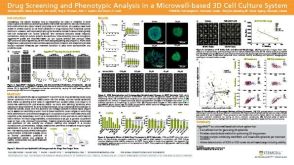 科学海报Drug Screening and Phenotypic Analysis in a Microwell-based 3D Cell Culture System


 沪公网安备31010102008431号