Human airway organoid engineering as a step toward lung regeneration and disease modeling
Organoids represent both a potentially powerful tool for the study cell-cell interactions within tissue-like environments,and a platform for tissue regenerative approaches. The development of lung tissue-like organoids from human adult-derived cells has not previously been reported. Here we combined human adult primary bronchial epithelial cells,lung fibroblasts,and lung microvascular endothelial cells in supportive 3D culture conditions to generate airway organoids. We demonstrate that randomly-seeded mixed cell populations undergo rapid condensation and self-organization into discrete epithelial and endothelial structures that are mechanically robust and stable during long term culture. After condensation airway organoids generate invasive multicellular tubular structures that recapitulate limited aspects of branching morphogenesis,and require actomyosin-mediated force generation and YAP/TAZ activation. Despite the proximal source of primary epithelium used in the airway organoids,discrete areas of both proximal and distal epithelial markers were observed over time in culture,demonstrating remarkable epithelial plasticity within the context of organoid cultures. Airway organoids also exhibited complex multicellular responses to a prototypical fibrogenic stimulus (TGF-??1) in culture,and limited capacity to undergo continued maturation and engraftment after ectopic implantation under the murine kidney capsule. These results demonstrate that the airway organoid system developed here represents a novel tool for the study of disease-relevant cell-cell interactions,and establishes this platform as a first step toward cell-based therapy for chronic lung diseases based on de novo engineering of implantable airway tissues.
View Publication
产品号#:
05001
05021
05022
产品名:
PneumaCult™-ALI 培养基
PneumaCult™-ALI 培养基含12 mm Transwell®插件
PneumaCult™-ALI 培养基含6.5 mm Transwell®插件
Yan Z et al. (AUG 2017)
Human gene therapy 28 8 612--625
Human Bocavirus Type-1 Capsid Facilitates the Transduction of Ferret Airways by Adeno-Associated Virus Genomes.
Human bocavirus type-1 (HBoV1) has a high tropism for the apical membrane of human airway epithelia. The packaging of a recombinant adeno-associated virus 2 (rAAV2) genome into HBoV1 capsid produces a chimeric vector (rAAV2/HBoV1) that also efficiently transduces human airway epithelia. As such,this vector is attractive for use in gene therapies to treat lung diseases such as cystic fibrosis. However,preclinical development of rAAV2/HBoV1 vectors has been hindered by the fact that humans are the only known host for HBoV1 infection. This study reports that rAAV2/HBoV1 vector is capable of efficiently transducing the lungs of both newborn (3- to 7-day-old) and juvenile (29-day-old) ferrets,predominantly in the distal airways. Analyses of in vivo,ex vivo,and in vitro models of the ferret proximal airway demonstrate that infection of this particular region is less effective than it is in humans. Studies of vector binding and endocytosis in polarized ferret proximal airway epithelial cultures revealed that a lack of effective vector endocytosis is the main cause of inefficient transduction in vitro. While transgene expression declined proportionally with growth of the ferrets following infection at 7 days of age,reinfection of ferrets with rAAV2/HBoV1 at 29 days gave rise to approximately 5-fold higher levels of transduction than observed in naive infected 29-day-old animals. The findings presented here lay the foundation for clinical development of HBoV1 capsid-based vectors for lung gene therapy in cystic fibrosis using ferret models.
View Publication
产品号#:
05001
05021
05022
产品名:
PneumaCult™-ALI 培养基
PneumaCult™-ALI 培养基含12 mm Transwell®插件
PneumaCult™-ALI 培养基含6.5 mm Transwell®插件
Yonker LM et al. ( 2017)
The Journal of Immunology 199 8 2873--2884
Neutrophil-derived cytosolic PLA2α contributes to bacterial-induced neutrophil transepithelial migration
Eicosanoids are a group of bioactive lipids that are shown to be important mediators of neutrophilic inflammation; selective targeting of their function confers therapeutic benefit in a number of diseases. Neutrophilic airway diseases,including cystic fibrosis,are characterized by excessive neutrophil infiltration into the airspace. Understanding the role of eicosanoids in this process may reveal novel therapeutic targets. The eicosanoid hepoxilin A3 is a pathogen-elicited epithelial-produced neutrophil chemoattractant that directs transepithelial migration in response to infection. Following hepoxilin A3-driven transepithelial migration,neutrophil chemotaxis is amplified through neutrophil production of a second eicosanoid,leukotriene B4 (LTB4). The rate-limiting step of eicosanoid generation is the liberation of arachidonic acid by phospholipase A2,and the cytosolic phospholipase A2 (cPLA2)α isoform has been specifically shown to direct LTB4 synthesis in certain contexts. Whether cPLA2α is directly responsible for neutrophil synthesis of LTB4 in the context of Pseudomonas aeruginosa-induced neutrophil transepithelial migration has not been explored. Human and mouse neutrophil-epithelial cocultures were used to evaluate the role of neutrophil-derived cPLA2α in infection-induced transepithelial signaling by pharmacological and genetic approaches. Primary human airway basal stem cell-derived epithelial cultures and micro-optical coherence tomography,a new imaging modality that captures two- and three-dimensional real-time dynamics of neutrophil transepithelial migration,were applied. Evidence from these studies suggests that cPLA2α expressed by neutrophils,but not epithelial cells,plays a significant role in infection-induced neutrophil transepithelial migration by mediating LTB4 synthesis during migration,which serves to amplify the magnitude of neutrophil recruitment in response to epithelial infection.
View Publication
产品号#:
05001
05021
05022
产品名:
PneumaCult™-ALI 培养基
PneumaCult™-ALI 培养基含12 mm Transwell®插件
PneumaCult™-ALI 培养基含6.5 mm Transwell®插件
Bucher H et al. (JUN 2017)
Pulmonary pharmacology & therapeutics 44 96--105
Neutralization of both IL-1α/IL-1β plays a major role in suppressing combined cigarette smoke/virus-induced pulmonary inflammation in mice.
Smoking is an important risk factor for the development of chronic obstructive pulmonary disease (COPD) and viral infections are believed to be major triggers of exacerbations,which periodically lead to a worsening of symptoms. The pro-inflammatory IL-1 family members IL-1α and IL-1β are increased in COPD patients and might contribute to disease pathology. We investigated whether individual or combined inhibition of these cytokines reduced lung inflammation in cigarette smoke (CS)-exposed and H1N1-infected BALB/c mice. Animals were treated with individual or combined antibodies (Abs) directed against IL-1α,IL-1β or IL-1R1. Cells in BAL fluid and cytokines/chemokines in lung homogenate were determined. The viral load was investigated. Blocking IL-1α had significant suppressive effects on total cells,neutrophils,and macrophages. Furthermore,it reduced KC levels significantly. Blocking of IL-1β did not provide significant activity. In primary human bronchial epithelial air-liquid-interface cell cultures infected with H1N1,IL-1α Abs but not IL-1β Abs reduced levels of TNF-α and IL-6. Concomitant usage of Abs against IL-1α/IL-1β revealed strong effects in vivo and reduced total cells,neutrophils and macrophages. Additionally,levels of KC,IL-6,TNF-α,MCP-1,MIP-1α and MIP-1β were significantly reduced and ICAM-1 and MUC5 A/C mRNA expression was attenuated. The viral load decreased significantly upon combined IL-1α/IL-1β Ab treatment. Blocking the IL-1R1 provided significant effects on total cells,neutrophils and macrophages but was inferior compared to inhibiting both its soluble ligands IL-1α/IL-1β. Our results suggest that combined inhibition of IL-1α/IL-1β might be beneficial to reduce CS/H1N1-induced airway inflammation. Moreover,combined targeting of both IL-1α/IL-1β might be more efficient compared to individual neutralization IL-1α or IL-1β or inhibition of the IL-1R1.
View Publication
产品号#:
05001
05021
05022
05008
产品名:
PneumaCult™-ALI 培养基
PneumaCult™-ALI 培养基含12 mm Transwell®插件
PneumaCult™-ALI 培养基含6.5 mm Transwell®插件
PneumaCult™-Ex 培养基
Cao X et al. (MAR 2017)
Toxicological sciences : an official journal of the Society of Toxicology 156 1 14--24
Evaluating the Toxicity of Cigarette Whole Smoke Solutions in an Air-Liquid-Interface Human In Vitro Airway Tissue Model.
Exposure to cigarette smoke causes a multitude of pathological changes leading to tissue damage and disease. Quantifying such changes in highly differentiated in vitro human tissue models may assist in evaluating the toxicity of tobacco products. In this methods development study,well-differentiated human air-liquid-interface (ALI) in vitro airway tissue models were used to assess toxicological endpoints relevant to tobacco smoke exposure. Whole mainstream smoke solutions (WSSs) were prepared from 2 commercial cigarettes (R60 and S60) that differ in smoke constituents when machine-smoked under International Organization for Standardization conditions. The airway tissue models were exposed apically to WSSs 4-h per day for 1-5 days. Cytotoxicity,tissue barrier integrity,oxidative stress,mucin secretion,and matrix metalloproteinase (MMP) excretion were measured. The treatments were not cytotoxic and had marginal effects on tissue barrier properties; however,other endpoints responded in time- and dose-dependent manners,with the R60 resulting in higher levels of response than the S60 for many endpoints. Based on the lowest effect dose,differences in response to the WSSs were observed for mucin induction and MMP secretion. Mitigation of mucin induction by cotreatment of cultures with N-acetylcysteine suggests that oxidative stress contributes to mucus hypersecretion. Overall,these preliminary results suggest that quantifying disease-relevant endpoints using ALI airway models is a potential tool for tobacco product toxicity evaluation. Additional research using tobacco samples generated under smoking machine conditions that more closely approximate human smoking patterns will inform further methods development.
View Publication
产品号#:
05001
05021
05022
产品名:
PneumaCult™-ALI 培养基
PneumaCult™-ALI 培养基含12 mm Transwell®插件
PneumaCult™-ALI 培养基含6.5 mm Transwell®插件
Cortjens B et al. (MAY 2017)
Journal of virology 91 10 1--15
Broadly Reactive Anti-Respiratory Syncytial Virus G Antibodies from Exposed Individuals Effectively Inhibit Infection of Primary Airway Epithelial Cells.
Respiratory syncytial virus (RSV) causes severe respiratory disease in young children. Antibodies specific for the RSV prefusion F protein have guided RSV vaccine research,and in human serum,these antibodies contribute to<90% of the neutralization response; however,detailed insight into the composition of the human B cell repertoire against RSV is still largely unknown. In order to study the B cell repertoire of three healthy donors for specificity against RSV,CD27+memory B cells were isolated and immortalized using BCL6 and Bcl-xL. Of the circulating memory B cells,0.35% recognized RSV-A2-infected cells,of which 59% were IgA-expressing cells and 41% were IgG-expressing cells. When we generated monoclonal B cells selected for high binding to RSV-infected cells,44.5% of IgG-expressing B cells and 56% of IgA-expressing B cells reacted to the F protein,while,unexpectedly,41.5% of IgG-expressing B cells and 44% of IgA expressing B cells reacted to the G protein. Analysis of the G-specific antibodies revealed that 4 different domains on the G protein were recognized. These epitopes predicted cross-reactivity between RSV strain A (RSV-A) and RSV-B and matched the potency of antibodies to neutralize RSV in HEp-2 cells and in primary epithelial cell cultures. G-specific antibodies were also able to induce antibody-dependent cellular cytotoxicity and antibody-dependent cellular phagocytosis of RSV-A2-infected cells. However,these processes did not seem to depend on a specific epitope. In conclusion,healthy adults harbor a diverse repertoire of RSV glycoprotein-specific antibodies with a broad range of effector functions that likely play an important role in antiviral immunity.IMPORTANCEHuman RSV remains the most common cause of severe lower respiratory tract disease in premature babies,young infants,the elderly,and immunocompromised patients and plays an important role in asthma exacerbations. In developing countries,RSV lower respiratory tract disease has a high mortality. Without an effective vaccine,only passive immunization with palivizumab is approved for prophylactic treatment. However,highly potent RSV-specific monoclonal antibodies could potentially serve as a therapeutic treatment and contribute to disease control and mortality reduction. In addition,these antibodies could guide further vaccine development. In this study,we isolated and characterized several novel antibodies directed at the RSV G protein. This information can add to our understanding and treatment of RSV disease.
View Publication
产品号#:
05001
05021
05022
产品名:
PneumaCult™-ALI 培养基
PneumaCult™-ALI 培养基含12 mm Transwell®插件
PneumaCult™-ALI 培养基含6.5 mm Transwell®插件
Deng X et al. ( 2016)
PLoS Pathogens 12 1 1--25
Replication of an autonomous human parvovirus in non-dividing human airway epithelium is facilitated through the DNA damage and repair pathways
Human bocavirus 1 (HBoV1) belongs to the genus Bocaparvovirus of the Parvoviridae family,and is an emerging human pathogenic respiratory virus. In vitro,HBoV1 infects well-differentiated/polarized primary human airway epithelium (HAE) cultured at an air-liquid interface (HAE-ALI). Although it is well known that autonomous parvovirus replication depends on the S phase of the host cells,we demonstrate here that the HBoV1 genome amplifies efficiently in mitotically quiescent airway epithelial cells of HAE-ALI cultures. Analysis of HBoV1 DNA in infected HAE-ALI revealed that HBoV1 amplifies its ssDNA genome following a typical parvovirus rolling-hairpin DNA replication mechanism. Notably,HBoV1 infection of HAE-ALI initiates a DNA damage response (DDR) with activation of all three phosphatidylinositol 3-kinase-related kinases (PI3KKs). We found that the activation of the three PI3KKs is required for HBoV1 genome amplification; and,more importantly,we identified that two Y-family DNA polymerases,Pol eta and Pol kappa,are involved in HBoV1 genome amplification. Overall,we have provided an example of de novo DNA synthesis (genome amplification) of an autonomous parvovirus in non-dividing cells,which is dependent on the cellular DNA damage and repair pathways.
View Publication
产品号#:
05001
05021
05022
产品名:
PneumaCult™-ALI 培养基
PneumaCult™-ALI 培养基含12 mm Transwell®插件
PneumaCult™-ALI 培养基含6.5 mm Transwell®插件
Deng X et al. (DEC 2017)
Journal of virology 91 24 1--23
Human Parvovirus Infection of Human Airway Epithelia Induces Pyroptotic Cell Death by Inhibiting Apoptosis.
Human bocavirus 1 (HBoV1) is a human parvovirus that causes acute respiratory tract infections in young children. In this study,we confirmed that,when polarized/well-differentiated human airway epithelia are infected with HBoV1in vitro,they develop damage characterized by barrier function disruption and cell hypotrophy. Cell death mechanism analyses indicated that the infection induced pyroptotic cell death characterized by caspase-1 activation. Unlike infections with other parvoviruses,HBoV1 infection did not activate the apoptotic or necroptotic cell death pathway. When the NLRP3-ASC-caspase-1 inflammasome-induced pathway was inhibited by short hairpin RNA (shRNA),HBoV1-induced cell death dropped significantly; thus,NLRP3 mediated by ASC appears to be the pattern recognition receptor driving HBoV1 infection-induced pyroptosis. HBoV1 infection induced steady increases in the expression of interleukin 1α (IL-1α) and IL-18. HBoV1 infection was also associated with the marked expression of the antiapoptotic genesBIRC5andIFI6When the expression ofBIRC5and/orIFI6was inhibited by shRNA,the infected cells underwent apoptosis rather than pyroptosis,as indicated by increased cleaved caspase-3 levels and the absence of caspase-1.BIRC5and/orIFI6gene inhibition also significantly reduced HBoV1 replication. Thus,HBoV1 infection of human airway epithelial cells activates antiapoptotic proteins that suppress apoptosis and promote pyroptosis. This response may have evolved to confer a replicative advantage,thus allowing HBoV1 to establish a persistent airway epithelial infection. This is the first report of pyroptosis in airway epithelia infected by a respiratory virus.IMPORTANCEMicrobial infection of immune cells often induces pyroptosis,which is mediated by a cytosolic protein complex called the inflammasome that senses microbial pathogens and then activates the proinflammatory cytokines IL-1 and IL-18. While virus-infected airway epithelia often activate NLRP3 inflammasomes,studies to date suggest that these viruses kill the airway epithelial cells via the apoptotic or necrotic pathway; involvement of the pyroptosis pathway has not been reported previously. Here,we show for the first time that virus infection of human airway epithelia can also induce pyroptosis. Human bocavirus 1 (HBoV1),a human parvovirus,causes lower respiratory tract infections in young children. This study indicates that HBoV1 kills airway epithelial cells by activating genes that suppress apoptosis and thereby promote pyroptosis. This strategy appears to promote HBoV1 replication and may have evolved to allow HBoV1 to establish persistent infection of human airway epithelia.
View Publication
产品号#:
05001
05021
05022
产品名:
PneumaCult™-ALI 培养基
PneumaCult™-ALI 培养基含12 mm Transwell®插件
PneumaCult™-ALI 培养基含6.5 mm Transwell®插件
Gazdhar A et al. ( 2017)
Frontiers in immunology 8 April 447
Human Bronchial Epithelial Cells Induce CD141/CD123/DC-SIGN/FLT3Monocytes That Promote Allogeneic Th17 Differentiation.
Little is known about monocyte differentiation in the lung mucosal environment and about how the epithelium shapes monocyte function. We studied the role of the soluble component of bronchial epithelial cells (BECs) obtained under basal culture conditions in innate and adaptive monocyte responses. Monocytes cultured in bronchial epithelial cell-conditioned media (BEC-CM) specifically upregulate CD141,CD123,and DC-SIGN surface levels andFLT3expression,as well as the release of IL-1β,IL-6,and IL-10. BEC-conditioned monocytes stimulate naive T cells to produce IL-17 through IL-1β mechanism and also trigger IL-10 production by memory T cells. Furthermore,monocytes cultured in an inflammatory environment induced by the cytokines IL-6,IL-8,IL-1β,IL-15,TNF-α,and GM-CSF also upregulate CD123 and DC-SIGN expression. However,only inflammatory cytokines in the epithelial environment boost the expression of CD141. Interestingly,we identified a CD141/CD123/DC-SIGN triple positive population in the bronchoalveolar lavage fluid (BALF) from patients with different inflammatory conditions,demonstrating that this monocyte population existsin vivo. The frequency of this monocyte population was significantly increased in patients with sarcoidosis,suggesting a role in inflammatory mechanisms. Overall,these data highlight the specific role that the epithelium plays in shaping monocyte responses. Therefore,the unraveling of these mechanisms contributes to the understanding of the function that the epithelium may playin vivo.
View Publication
产品号#:
05001
05021
05022
产品名:
PneumaCult™-ALI 培养基
PneumaCult™-ALI 培养基含12 mm Transwell®插件
PneumaCult™-ALI 培养基含6.5 mm Transwell®插件
Gilpin SE et al. ( 2016)
Biomaterials 108 111--119
Regenerative potential of human airway stem cells in lung epithelial engineering
Bio-engineered organs for transplantation may ultimately provide a personalized solution for end-stage organ failure,without the risk of rejection. Building upon the process of whole organ perfusion decellularization,we aimed to develop novel,translational methods for the recellularization and regeneration of transplantable lung constructs. We first isolated a proliferative KRT5+TP63+ basal epithelial stem cell population from human lung tissue and demonstrated expansion capacity in conventional 2D culture. We then repopulated acellular rat scaffolds in ex vivo whole organ culture and observed continued cell proliferation,in combination with primary pulmonary endothelial cells. To show clinical scalability,and to test the regenerative capacity of the basal cell population in a human context,we then recellularized and cultured isolated human lung scaffolds under biomimetic conditions. Analysis of the regenerated tissue constructs confirmed cell viability and sustained metabolic activity over 7 days of culture. Tissue analysis revealed extensive recellularization with organized tissue architecture and morphology,and preserved basal epithelial cell phenotype. The recellularized lung constructs displayed dynamic compliance and rudimentary gas exchange capacity. Our results underline the regenerative potential of patient-derived human airway stem cells in lung tissue engineering. We anticipate these advances to have clinically relevant implications for whole lung bioengineering and ex vivo organ repair.
View Publication
产品号#:
05001
05021
05022
产品名:
PneumaCult™-ALI 培养基
PneumaCult™-ALI 培养基含12 mm Transwell®插件
PneumaCult™-ALI 培养基含6.5 mm Transwell®插件
Tata PR et al. (NOV 2013)
Nature 503 7475 218--23
Dedifferentiation of committed epithelial cells into stem cells in vivo.
Cellular plasticity contributes to the regenerative capacity of plants,invertebrates,teleost fishes and amphibians. In vertebrates,differentiated cells are known to revert into replicating progenitors,but these cells do not persist as stable stem cells. Here we present evidence that differentiated airway epithelial cells can revert into stable and functional stem cells in vivo. After the ablation of airway stem cells,we observed a surprising increase in the proliferation of committed secretory cells. Subsequent lineage tracing demonstrated that the luminal secretory cells had dedifferentiated into basal stem cells. Dedifferentiated cells were morphologically indistinguishable from stem cells and they functioned as well as their endogenous counterparts in repairing epithelial injury. Single secretory cells clonally dedifferentiated into multipotent stem cells when they were cultured ex vivo without basal stem cells. By contrast,direct contact with a single basal stem cell was sufficient to prevent secretory cell dedifferentiation. In analogy to classical descriptions of amphibian nuclear reprogramming,the propensity of committed cells to dedifferentiate is inversely correlated to their state of maturity. This capacity of committed cells to dedifferentiate into stem cells may have a more general role in the regeneration of many tissues and in multiple disease states,notably cancer.
View Publication


 EasySep™小鼠TIL(CD45)正选试剂盒




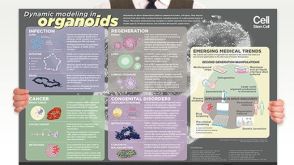 挂图Dynamic Modeling in Organoids Learn more about organoid applications for studying human health
 沪公网安备31010102008431号