若您需要咨询产品或有任何技术问题,请通过官方电话 400 885 9050 或邮箱 info.cn@stemcell.com 与我们联系。

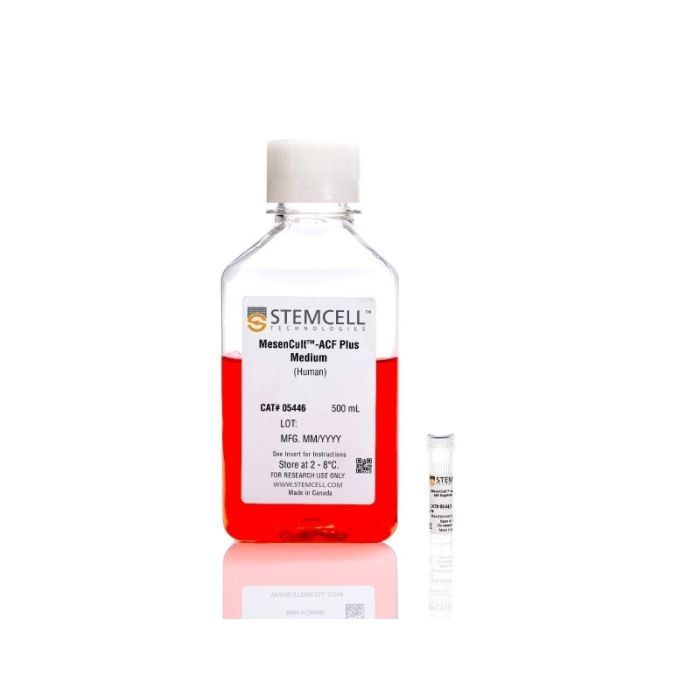
MesenCult™ -ACF Plus培养基

用于人间充质干细胞的无动物成分培养基
只有 %1
¥3,890.00

产品号 #(选择产品)

产品号 #05445

 用于人间充质干细胞的无动物成分培养基

产品优势

  • 无动物成分配方提升实验可重复性。
  • 相较于含血清培养基,具备更优异的细胞扩增性能。
  • 培养的MSC在早期和晚期传代中均保持强劲的扩增能力及三系分化潜能。
  • 支持直接从原代人体组织中衍生MSC。

产品组分包括

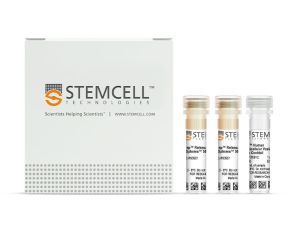
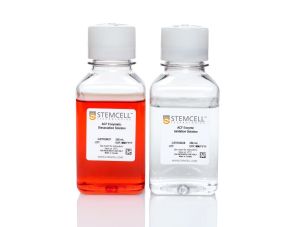
  • MesenCult™ -ACF Plus基础培养基(500 mL)
  • MesenCult™-ACF Plus 500X 补充剂(1 mL)
专为您的实验方案打造的产品
要查看实验方案所需的所有配套产品,请参阅《实验方案与技术文档》

总览

使用MesenCult™-ACF Plus培养基实现人间充质基质细胞(MSCs)的一致、无血清扩增。该培养基不含动物成分(ACF) 和细胞外囊泡(EV),可支持来自多种组织来源(包括骨髓和脂肪组织)的MSC的高效增殖,同时保留MSC表型和三谱系分化潜能。

与含血清或去除EV的培养基相比,MesenCult™-ACF Plus提供高效的MSC扩增,并消除了血清来源成分和外源EV带来的变异性。干净、无EV的背景还支持下游EV研究,无需切换培养基。有关使用该系统生成EV的指导说明,请参阅我们详细的EV生成方案,并与EasySep™人细胞外囊泡正选试剂盒配合使用,以实现高效和标准化的EV回收。

MesenCult™-ACF Plus培养基试剂盒专为生成、扩增和冻存MSC以及将人多能干细胞分化为间充质祖细胞而设计,并经过优化,可实现高效一致的MSC培养。

对于无动物成分和优化的冻存,推荐使用MesenCult™-ACF冻存液来处理之前在MesenCult™培养基(包括MesenCult™-ACF Plus)中培养的人MSC。有关相关产品的完整列表(包括可用的分化培养基),请访问我们的MSC研究领域页面或通过info.cn@stemcell.com联系我们。

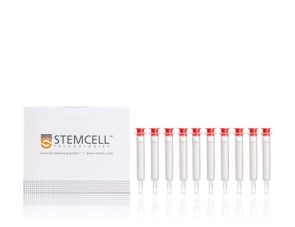
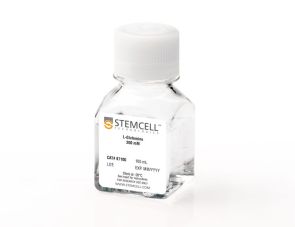
注意:MesenCult™-ACF Plus完全培养基必须添加L-谷氨酰胺。此外,它还需与不含动物成分的细胞附着基质配合使用,该基质作为MesenCult™-ACF Plus培养试剂盒的一部分提供。

CollPlant是细胞贴附基质中重组人胶原蛋白(rhCollagen)成分的制造商。


分类
专用培养基
 
细胞类型
间充质细胞,PSC衍生,间充质干/祖细胞
 
种属

 
应用
细胞培养,扩增,培养
 
品牌
MesenCult
 
研究领域
药物发现和毒性检测,细胞外囊泡研究,干细胞生物学
 
制剂类别
不含动物成分,无血清
 

实验数据

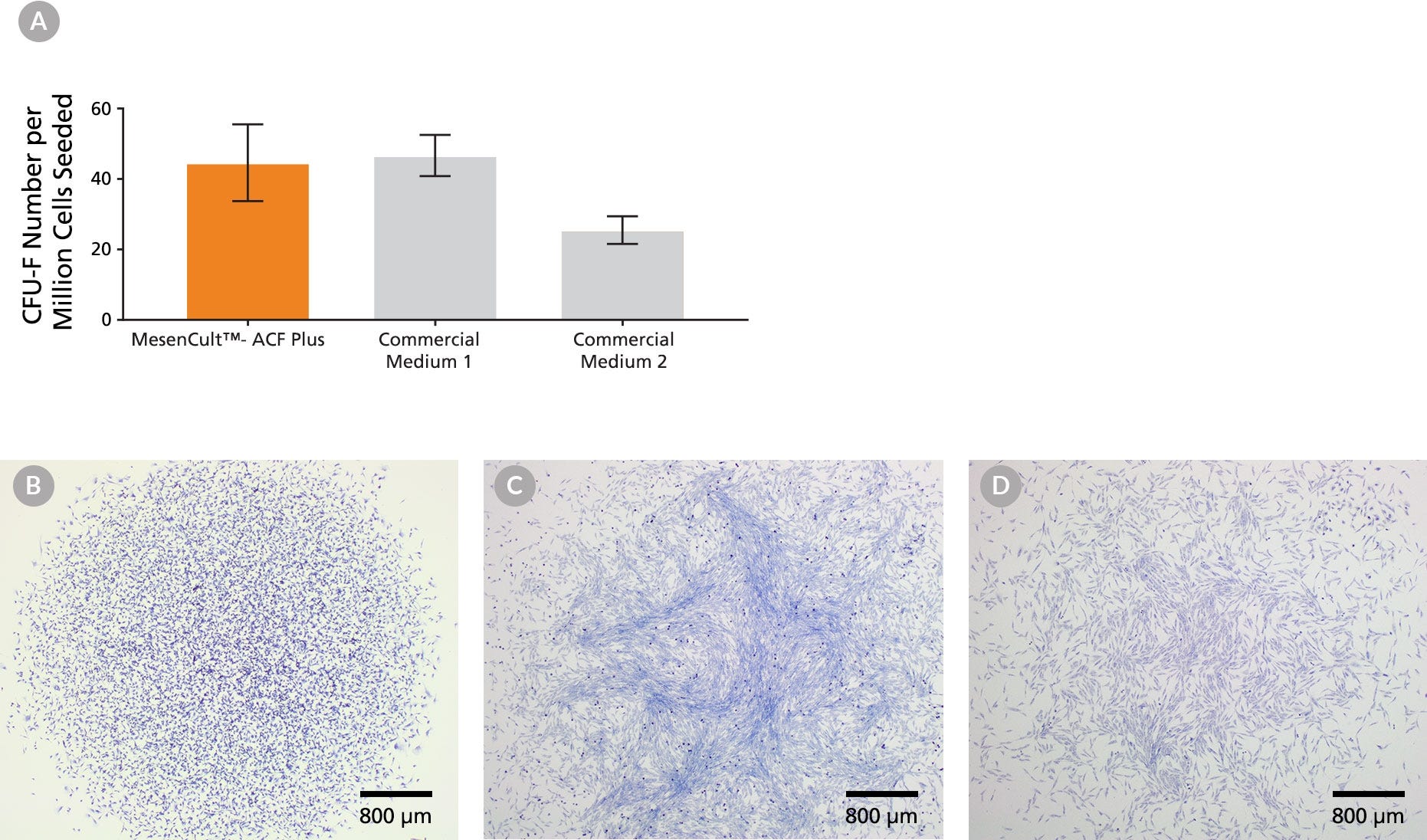
Figure 1. CFU-F Assay of Human BM-Derived MSCs Expanded in MesenCult™-ACF Plus Medium and Commercial Media.
(A) An average of 45 CFU-Fs per million cells were observed when BM mononuclear cells were seeded in MesenCult™-ACF Plus (n = 4). An average of 47 and 25 CFU-Fs per million cells were observed when cells were seeded in Commercial Medium 1 (n = 3) and Medium 2 (n = 4), respectively. Vertical lines indicate Standard Error of Mean (SEM). Representative image of CFU-F colonies expanded in (B) MesenCult™-ACF Plus Medium (9 days of culture), (C) Commercial Medium 1 (10 days of culture) and (D) Commercial Medium 2 (10 days of culture). Commercial Medium 1 and Medium 2 were supplemented with 2.5% human AB serum to derive MSCs from BM, as per their protocols for derivation. No addition of serum is required when using MesenCult™-ACF Plus Medium.

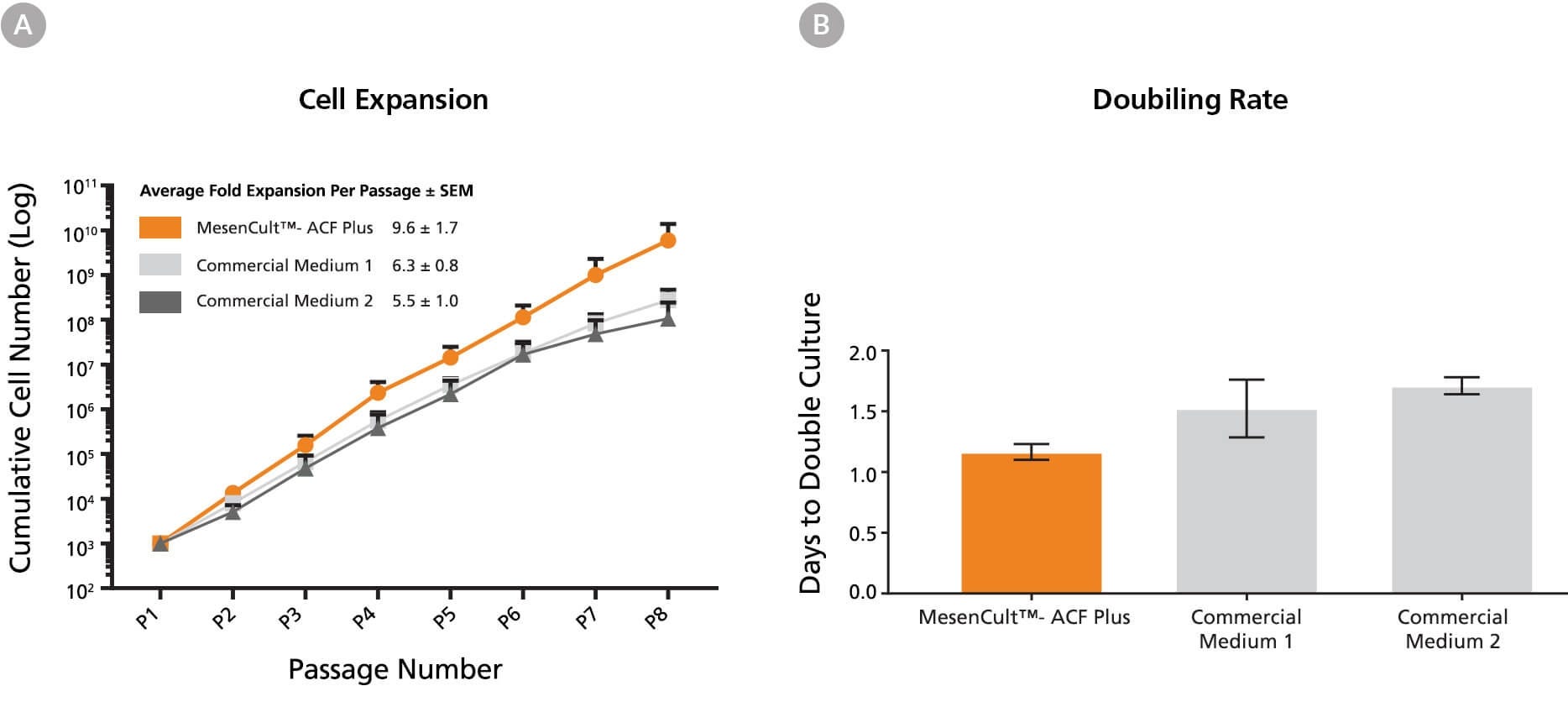
Figure 2. Human BM-Derived MSCs Cultured in MesenCult™-ACF Plus Medium Expand Faster than MSCs Cultured in Commercial Xeno-Free and Serum-Free Media.
(A) A greater number of BM-derived MSCs were generated per passage using MesenCult™-ACF Plus Medium (n=4) compared to Commercial Medium 1 (n=3) and Commercial Medium 2 (n=2). (B) Rates of BM-derived MSC expansion were compared between MesenCult™-ACF Plus Medium, Commercial Medium 1, and Commercial Medium 2. The time required to double the number of MSCs using MesenCult™ -ACF Plus Medium (n=4) was shorter than when MSCs were cultured in Commercial Medium 1 (n=3) and Commercial Medium 2 (n=4). Vertical lines indicate Standard Error of Mean (SEM).

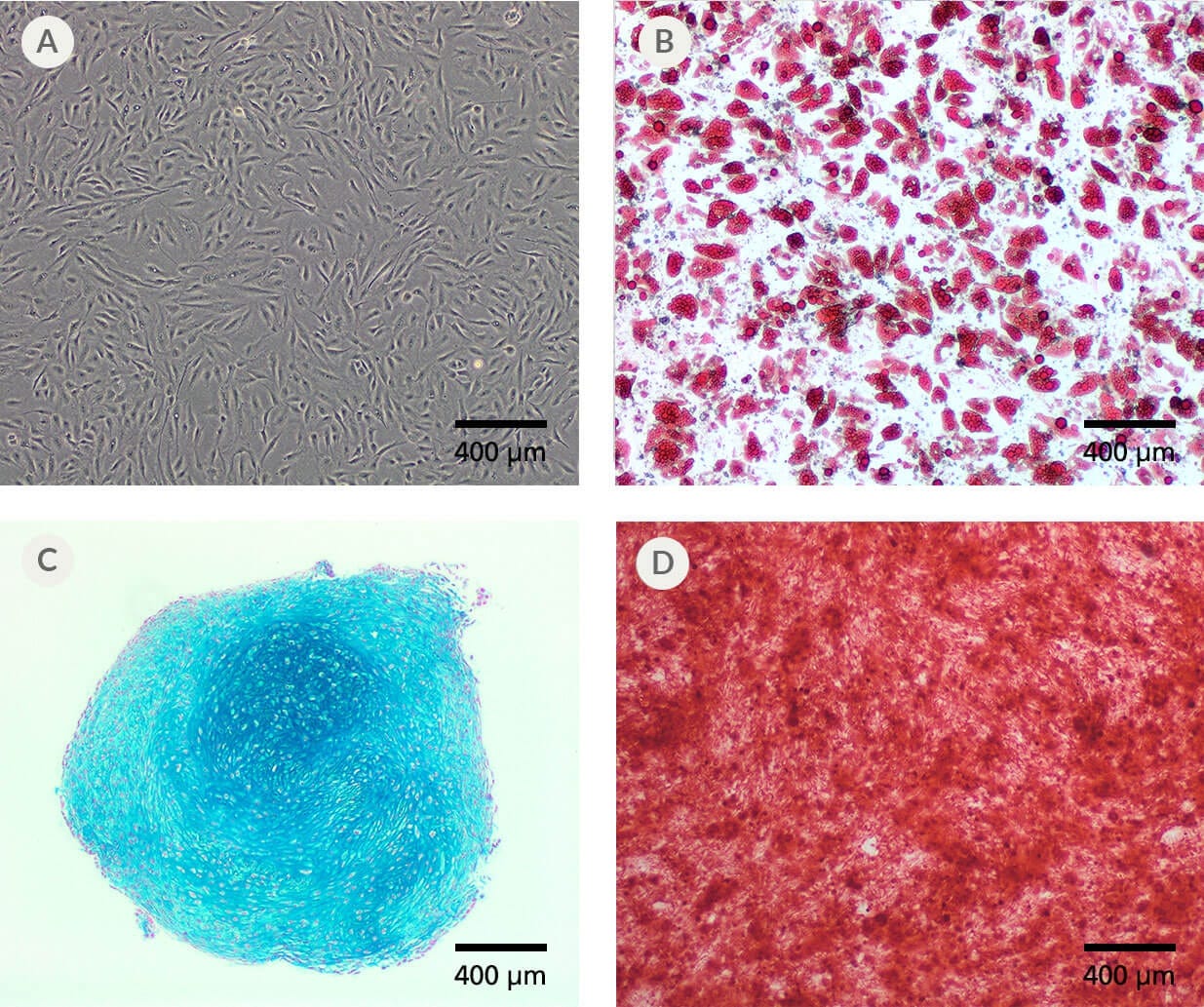
Figure 3. Human BM-Derived MSCs Expanded in MesenCult™-ACF Plus Medium Display Multi-Lineage Differentiation Potential.
(A) Human BM-derived MSCs expanded in MesenCult™-ACF Plus Medium differentiated into (B) adipocytes (Oil Red O staining; passage 5), (C) chondrocytes (Alcian Blue staining; passage 4) and (D) osteoblasts (Alizarin Red S staining; passage 5).

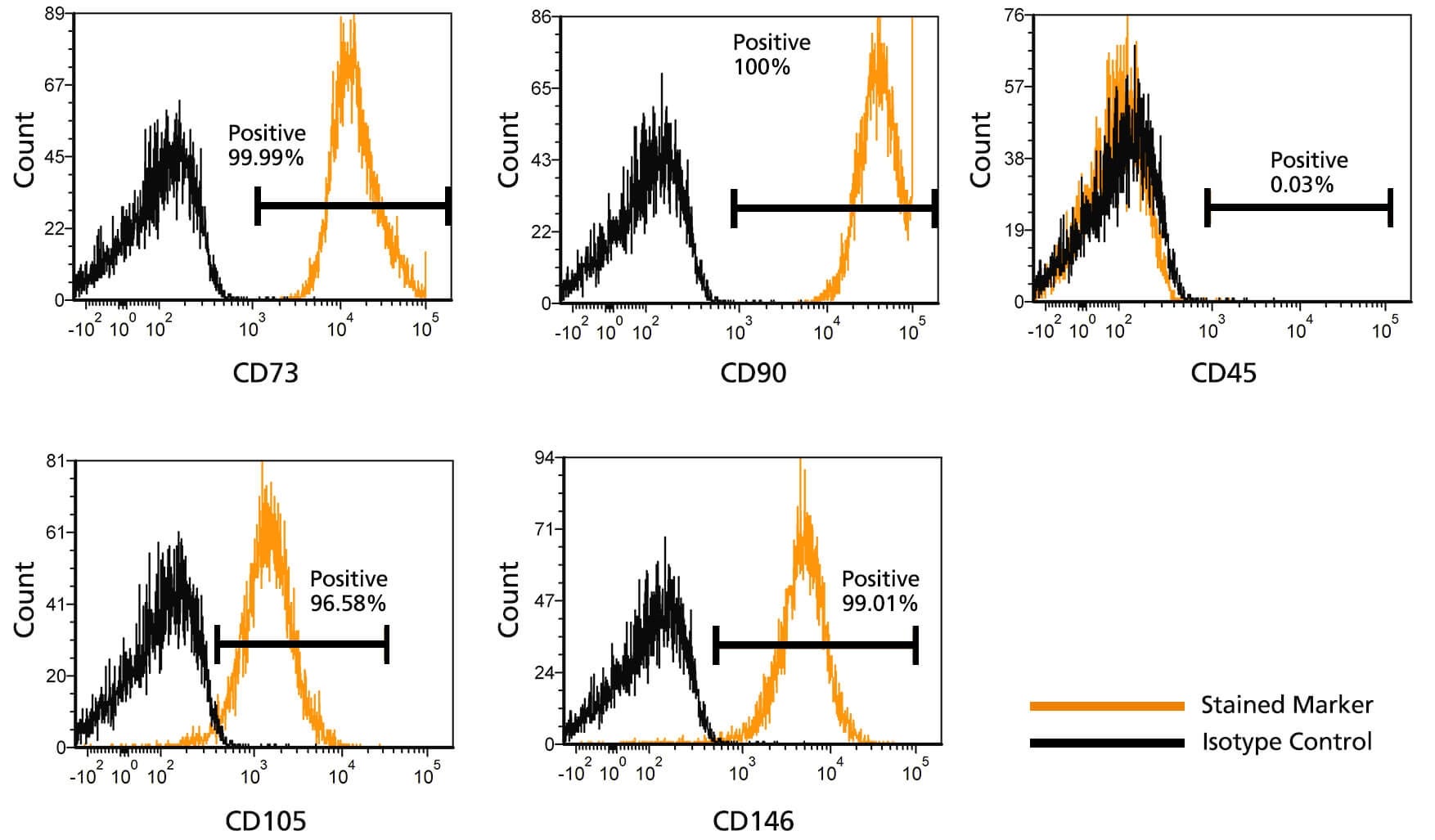
Figure 4. Flow Cytometric Analysis of MSCs Cultured in MesenCult™-ACF Plus Medium.
BM-derived MSCs were cultured and expanded in MesenCult™-ACF Plus Medium. At passage 8 MSCs were stained for mesenchymal surface markers (CD73, CD90, CD105,), pericyte marker (CD146) and hematopoietic marker (CD45). MSCs expressed high levels of CD73, CD90, CD105 and CD146 and lacked expression of CD45.

产品说明书及文档

请在《产品说明书》中查找相关支持信息和使用说明,或浏览下方更多实验方案。

Document Type
Product Name
Catalog #
Lot #
Language
Catalog #
05445
Lot #
All
Language
English
Document Type
Safety Data Sheet 1
Catalog #
05445
Lot #
All
Language
English
Document Type
Safety Data Sheet 2
Catalog #
05445
Lot #
All
Language
English
Document Type
Safety Data Sheet 3
Catalog #
05445
Lot #
All
Language
English

应用领域

本产品专为以下研究领域设计,适用于工作流程中的高亮阶段。探索这些工作流程,了解更多我们为各研究领域提供的其他配套产品。

相关材料与文献

技术资料 (12)

文献 (15)

Optimizing mesenchymal stem cell therapy: from isolation to GMP-compliant expansion for clinical application M. E. Williams et al. BMC Molecular and Cell Biology 2025 May

Abstract

Mesenchymal stem cells (MSCs) are promising for cell-based therapies targeting a wide range of diseases. However, challenges in translating MSC-based therapies to clinical applications necessitate standardized protocols following Good Manufacturing Practices (GMP) guidelines. This study aimed at developing GMP-complained protocols for FPMSCs isolation and manipulation, necessary for translational research, by (1) optimize culture of MSCs derived from an infrapatellar fat pad (FPMSC) condition through animal-free media comparison and (2) establish feasibility of MSC isolation, manufacturing and storage under GMP-compliance (GMP-FPMSC). FPMSCs from three different patients were isolated following established protocols and the efficacy of two animal component-free media formulations in the culturing media were evaluated. The impact of different media formulations on cell proliferation, purity, and potency of MSCs was evaluated through doubling time, colony forming unit assay, and percentage of MSCs, respectively. Furthermore, the isolation and expansion of GMP-FPMSCs from four additional donors were optimized and characterized at each stage according to GMP requirements. Viability and sterility were checked using Trypan Blue and Bact/Alert, respectively, while purity and identity were confirmed using Endotoxin, Mycoplasma assays, and Flow Cytometry. The study also included stability assessments post-thaw and viability assessment to determine the shelf-life of the final GMP-FPMSC product. Statistical analyses were conducted using one-way ANOVA with Tukey’s Multiple Comparisons. The study demonstrated that FPMSCs exhibited enhanced proliferation rates when cultured in MSC-Brew GMP Medium compared to standard MSC media. Cells cultured in this media showed lower doubling times across passages, indicating increased proliferation. Additionally, higher colony formation in FPMSCs cultured in MSC-Brew GMP Medium were observed, supporting enhanced potency. Data from our GMP validation, including cells from 4 different donors, showed post-thaw GMP-FPMSC maintained stem cell marker expression and all the specifications required for product release, including > 95% viability (> 70% is required) and sterility, even after extended storage (up to 180 days), demonstrating the reproducibility and potential of GMP-FPMSCs for clinical use as well as the robustness of the isolation and storage protocols. The study underscores the feasibility of FPMSCs for clinical uses under GMP conditions and emphasizes the importance of optimized culture protocols to improve cell proliferation and potency in MSC-based therapies. The online version contains supplementary material available at 10.1186/s12860-025-00539-7.
A microfluidic bone marrow chip for the safety profiling of biologics in pre-clinical drug development L. Koenig et al. Communications Biology 2025 May

Abstract

Hematologic adverse events are common dose-limiting toxicities in drug development. Classical animal models for preclinical safety assessment of immunotherapies are often limited due to insufficient cross-reactivity with non-human homologous proteins, immune system differences, and ethical considerations. Therefore, we evaluate a human bone marrow (BM) microphysiological system (MPS) for its ability to predict expected hematopoietic liabilities of immunotherapeutics. The BM-MPS consists of a closed microfluidic circuit containing a ceramic scaffold covered with human mesenchymal stromal cells and populated with human BM-derived CD34+ cells in chemically defined growth factor-enriched media. The model supports on-chip differentiation of erythroid, myeloid and NK cells from CD34+ cells over 31 days. The hematopoietic lineage balance and output is responsive to pro-inflammatory factors and cytokines. Treatment with a transferrin receptor-targeting IgG1 antibody results in inhibition of on-chip erythropoiesis. The immunocompetence of the chip is established by the addition of peripheral blood T cells in a fully autologous setup. Treatment with T cell bispecific antibodies induces T cell activation and target cell killing consistent with expected on-target off-tumor toxicities. In conclusion, this study provides a proof-of-concept that this BM-MPS is applicable for in vitro hematopoietic safety profiling of immunotherapeutics. Subject terms: Biologics, Haematopoiesis, Lab-on-a-chip, Drug safety
Autologous iPSC- and MSC-derived chondrocyte implants for cartilage repair in a miniature pig model Lee et al. Stem Cell Research & Therapy 2025 Feb

Abstract

Induced pluripotent stem cell (iPSC)-derived mesenchymal stem cells (iMSCs) have greater potential for generating chondrocytes without hypertrophic and fibrotic phenotypes compared to bone marrow-derived mesenchymal stem/stromal cells (BMSCs). However, there is a lack of research demonstrating the use of autologous iMSCs for repairing articular chondral lesions in large animal models. In this study, we aimed to evaluate the effectiveness of autologous miniature pig (minipig) iMSC-chondrocyte (iMSC-Ch)-laden implants in comparison to autologous BMSC-chondrocyte (BMSC-Ch)-laden implants for cartilage repair in porcine femoral condyles. iMSCs and BMSCs were seeded into fibrin glue/nanofiber constructs and cultured with chondrogenic induction media for 7 days before implantation. To assess the regenerative capacity of the cells, 19 skeletally mature Yucatan minipigs were randomly divided into microfracture control, acellular scaffold, iMSC, and BMSC subgroups. A cylindrical defect measuring 7 mm in diameter and 0.6 mm in depth was created on the articular cartilage surface without violating the subchondral bone. The defects were then left untreated or treated with acellular or cellular implants. Both cellular implant-treated groups exhibited enhanced joint repair compared to the microfracture and acellular control groups. Immunofluorescence analysis yielded significant findings, showing that cartilage treated with iMSC-Ch implants exhibited higher expression of COL2A1 and minimal to no expression of COL1A1 and COL10A1, in contrast to the BMSC-Ch-treated group. This indicates that the iMSC-Ch implants generated more hyaline cartilage-like tissue compared to the BMSC-Ch implants. Our findings contribute to filling the knowledge gap regarding the use of autologous iPSC derivatives for cartilage repair in a translational animal model. Moreover, these results highlight their potential as a safe and effective therapeutic strategy. The online version contains supplementary material available at 10.1186/s13287-025-04215-7.

更多信息

更多信息
物种 人类
配方 不含动物成分, 无血清
质量保证:

产品仅供研究使用,不用于针对人或动物的诊断或治疗。 欲获悉更多关于STEMCELL的质控信息,请访问 STEMCELL.CN/COMPLIANCE.
Copyright © 2026 by STEMCELL Technologies. All rights reserved.

在线联系