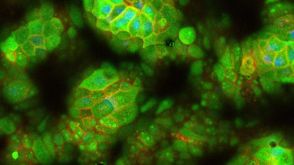
The activating receptor NKG2D is an anti-fungal pattern recognition receptor
NKG2D is a central activating receptor involved in target recognition and killing by Natural Killer and CD8+ T cells. The known role of NKG2D is to recognize a family of self-induced stress ligands that are upregulated on stressed cells such as cancerous or virally infected cells. Fungal pathogens are a major threat to human health,infecting more than a billion patients yearly and becoming more common and drug resistant. Here we show that NKG2D plays a critical role in the immune response against fungal infections. NKG2D can recognize fungal pathogens from most major families including Candida,Cryptococcus and Aspergillus species,and mice lacking NKG2D are extremely sensitive to fungal infections in models of both invasive and mucosal infections,making NKG2D an anti-fungal pattern recognition receptor. NKG2D is a central activating receptor know to recognise stress ligangs upregulated during cancer or infection. Here,Charpak-Amikam et al show that NKG2D also recognises fungal pathogens and plays a critical role in mounting an appropriate immune response to them.
View Publication
产品号#:
19055
19055RF
产品名:
EasySep™人NK细胞富集试剂盒
RoboSep™ 人NK细胞富集试剂盒含滤芯吸头
(Oct 2024)
Scientific Reports 14
Pravastatin prevents colitis-associated carcinogenesis by reducing CX3CR1high M2-like fibrocyte counts in the inflamed colon
Colorectal cancer (CRC) resulting from chronic inflammation is a crucial issue in patients with inflammatory bowel disease (IBD). Although many reports established that intestinal resident CX3CR1high macrophages play an essential role in suppressing intestinal inflammation,their function in colitis-related CRC remains unclear. In this study,we found that colonic CX3CR1high macrophages,which were positive for MHC-II,F4/80 and CD319,promoted colitis-associated CRC. They highly expressed Col1a1,Tgfb,II10,and II4,and were considered to be fibrocytes with an immunosuppressive M2-like phenotype. CX3CR1 deficiency led to reductions in the absolute numbers of CX3CR1high fibrocytes through increased apoptosis,thereby preventing the development of colitis-associated CRC. We next focused statins as drugs targeting CX3CR1high fibrocytes. Statins have been actively discussed for patients with IBD and reported to suppress the CX3CL1/CX3CR1 axis. Statin treatment after azoxymethane/dextran sulfate sodium-induced inflammation reduced CX3CR1high fibrocyte counts and suppressed colitis-associated CRC. Therefore,CX3CR1high fibrocytes represent a potential target for carcinogenesis-preventing therapy,and statins could be safe therapeutic candidates for IBD.
View Publication
产品号#:
19861
19861RF
产品名:
EasySep™小鼠单核细胞分选试剂盒
RoboSep™ 小鼠单核细胞分选试剂盒
(Oct 2024)
Cell Discovery 10
Developing an erythrocyte‒MHC-I conjugate for cancer treatment
Mature erythrocytes are known to lack major histocompatibility complex (MHC) proteins. However,the presence of MHC molecules on erythrocytes has been occasionally reported,though without a defined function. In this study,we designed erythrocyte conjugated solely with a fusion protein consisting of an antigenic peptide linked to MHC class I (MHC-I) protein,termed MHC-I‒Ery. The modified erythrocyte,decorated with the peptide derived from human papillomavirus (HPV) 16 oncoprotein E6/E7,effectively activated antigen-specific CD8+ T cells in peripheral blood mononuclear cells (PBMCs) from HPV16+ cervical cancer patients. Additionally,MHC-I‒Ery monotherapy was shown to inhibit antigen-positive tumor growth in mice. This treatment immediately activated CD8+ T cells and reduced suppressive myeloid cells in the spleen,leading to systemic anti-tumor activity. Safety and tolerability evaluations of MHC-I‒Ery in non-human primates further supported its clinical potential. Our results first demonstrated that erythrocytes equipped solely with antigen peptide‒MHC-I complexes can robustly stimulate the immune system,suggesting a novel and promising approach for advancing cancer immunotherapy.
View Publication
产品号#:
18000
产品名:
EasySep™磁极
(Sep 2024)
Communications Biology 7
Full-length single-cell BCR sequencing paired with RNA sequencing reveals convergent responses to pneumococcal vaccination
Single-cell RNA sequencing (scRNA-seq) can resolve transcriptional features from individual cells,but scRNA-seq techniques capable of resolving the variable regions of B cell receptors (BCRs) remain limited,especially from widely-used 3′-barcoded libraries. Here,we report a method that can recover paired,full-length variable region sequences of BCRs from 3′-barcoded scRNA-seq libraries. We first verify this method (B3E-seq) can produce accurate,full-length BCR sequences. We then apply this method to profile B cell responses elicited against the capsular polysaccharide of Streptococcus pneumoniae serotype 3 (ST3) by glycoconjugate vaccines in five infant rhesus macaques. We identify BCR features associated with specificity for the ST3 antigen which are present in multiple vaccinated monkeys,indicating a convergent response to vaccination. These results demonstrate the utility of our method to resolve key features of the B cell repertoire and profile antigen-specific responses elicited by vaccination. A method that recovers full-length,paired heavy- and light-chain variable regions of B cell receptor transcripts from 3’barcoded scRNA-seq libraries reveals a convergent response to pneumococcus vaccination in rhesus macaques.
View Publication
产品号#:
19554
19554RF
产品名:
EasySep™人Pan-B细胞富集试剂盒
RoboSep™ 人Pan-B细胞富集试剂盒
(Sep 2024)
Pathogens and Immunity 9 2
People Living With HIV Have More Intact HIV DNA in Circulating CD4+ T Cells if They Have History of Pulmonary Tuberculosis
Background:A primary barrier to curing HIV is the HIV reservoir. The leading infectious cause of death worldwide for people living with HIV is tuberculosis (TB),but we do not know how TB impacts the HIV reservoir.Methods:Participants in identification and validation cohorts were selected from previously enrolled studies at Groupe Haïtien d'Étude du Sarcome de Kaposi et des Infections Opportunistes (GHESKIO) in Port au Prince,Haiti. Intact and non-intact proviral DNA were quantified using droplet digital PCR of peripheral blood mononuclear cell (PBMC)-derived CD4+ T cells. Kruskal-Wallis tests were used to compare medians with tobit regression for censoring.Results:In the identification cohort,we found that people living with HIV with a history of active pulmonary TB (n=19) had higher levels of intact provirus than people living with HIV without a history of active TB (n=47) (median 762; IQR,183-1173 vs 117; IQR,24-279 intact provirus per million CD4,respectively; P=0.0001). This difference also was seen in the validation cohort (n=31),(median 102; IQR,0-737 vs 0; IQR,0-24.5 intact provirus per million CD4,P=0.03) for TB vs no-TB history groups,respectively. The frequencies of CD4+ T cells with any detectable proviral fragment was directly proportional to the levels of interleukin-1 beta (r=0.524,P= 0.0025) and interleukin-2 (r=0.622,P=0.0002).Conclusions:People living with HIV with a history of active pulmonary TB have more HIV pro-virus in their circulating CD4+ T cells,even years after TB cure. We need to characterize which CD4+ T cells are harboring intact provirus to consider the impact of T cell-targeting HIV cure interventions for people living in TB-endemic areas.
View Publication
产品号#:
19052
19052RF
产品名:
EasySep™人CD4+ T细胞富集试剂盒
RoboSep™ 人CD4+ T细胞富集试剂盒含滤芯吸头
(Sep 2024)
Frontiers in Immunology 15 10
Pregnancy-related factors induce immune tolerance through regulation of sCD83 release
A well-balanced maternal immune system is crucial to maintain fetal tolerance in case of infections during pregnancy. Immune adaptations include an increased secretion of soluble mediators to protect the semi-allogeneic fetus from excessive pro-inflammatory response. B lymphocytes acquire a higher capacity to express CD83 and secrete soluble CD83 (sCD83) upon exposure to bacteria-derived components such as LPS. CD83 possesses immune modulatory functions and shows a promising therapeutic potential against inflammatory conditions. The administration of sCD83 to pregnant mice reduces LPS-induced abortion rates. The increased CD83 expression by endometrial B cells as compared to peripheral blood B cells suggests its modulatory role in the fetal tolerance,especially in the context of infection. We postulate that in pregnancy,CD83 expression and release is controlled by pregnancy-related hormones. The intra- and extracellular expression of CD83 in leukocytes from peripheral blood or decidua basalis and parietalis at term were analyzed by flow cytometry. After treatment with pregnancy-related hormones and LPS,ELISA and qPCR were performed to study sCD83 release and CD83 gene expression,respectively. Cleavage prediction analysis was used to find potential proteases targeting CD83. Expression of selected proteases was analyzed by ELISA. Higher levels of CD83 were found in CD11c+ dendritic cells,CD3+ T cells and CD19+ B cells from decidua basalis and decidua parietalis after LPS-stimulation in vitro. An increase of intracellular expression of CD83 was also detected in CD19+ B cells from both compartments. Stimulated B cells displayed significantly higher percentages of CD83+ cells than dendritic cells and T cells from decidua basalis and peripheral blood. Treatment of B lymphocytes with pregnancy-related molecules (E2,P4,TGF-β1 and hCG) enhanced the LPS-mediated increase of CD83 expression,while dexamethasone led to a reduction. Similarly,the release of sCD83 was increased under TGF-β1 treatment but decreased upon dexamethasone stimulation. Finally,we found that the hormonal regulation of CD83 expression is likely a result from a balance between gene transcription from CD83 and the modulation of the metalloproteinase MMP-7. Thus,data supports and complements our previous murine studies on hormonal regulation of CD83 expression,reinforcing its immunomodulatory relevance in anti-bacterial responses during pregnancy.
View Publication
产品号#:
17851
17851RF
100-0692
产品名:
EasySep™人CD3正选试剂盒II
RoboSep™ 人CD3正选试剂盒II
EasySep™人CD3正选试剂盒II
(Sep 2024)
PLOS Pathogens 20 9
Release of P-TEFb from the Super Elongation Complex promotes HIV-1 latency reversal
The persistence of HIV-1 in long-lived latent reservoirs during suppressive antiretroviral therapy (ART) remains one of the principal barriers to a functional cure. Blocks to transcriptional elongation play a central role in maintaining the latent state,and several latency reversal strategies focus on the release of positive transcription elongation factor b (P-TEFb) from sequestration by negative regulatory complexes,such as the 7SK complex and BRD4. Another major cellular reservoir of P-TEFb is in Super Elongation Complexes (SECs),which play broad regulatory roles in host gene expression. Still,it is unknown if the release of P-TEFb from SECs is a viable latency reversal strategy. Here,we demonstrate that the SEC is not required for HIV-1 replication in primary CD4+ T cells and that a small molecular inhibitor of the P-TEFb/SEC interaction (termed KL-2) increases viral transcription. KL-2 acts synergistically with other latency reversing agents (LRAs) to reactivate viral transcription in several cell line models of latency in a manner that is,at least in part,dependent on the viral Tat protein. Finally,we demonstrate that KL-2 enhances viral reactivation in peripheral blood mononuclear cells (PBMCs) from people living with HIV (PLWH) on suppressive ART,most notably in combination with inhibitor of apoptosis protein antagonists (IAPi). Taken together,these results suggest that the release of P-TEFb from cellular SECs may be a novel route for HIV-1 latency reactivation. Author summarySince the start of the HIV pandemic,it is estimated that nearly 86 million people have been infected with the virus,and about 40 million people have died. Modern antiretroviral therapies potently restrict viral replication and prevent the onset of AIDS,saving millions of lives. However,these therapies are not curative due to the persistence of the virus in a silenced or ‘latent’ state in long-lived cells of the body. One proposed strategy to clear this latent reservoir,termed “shock and kill”,is to activate these silenced viruses such that the infected cells can be cleared from the body by the immune system. While several drugs have been developed that can activate latent viruses,none have proven effective at reducing the size of the latent reservoir in patients in clinical trials. Here,we describe a new method for latency reactivation using a small molecule inhibitor of a human protein complex called the Super Elongation Complex (SEC). Inhibiting the SEC enhances viral transcription during active infection and triggers the reactivation of latent viruses,especially when in combination with other latency reversing agents. These results pave the way for developing more effective strategies to reactivate latent viruses towards a functional cure.
View Publication
产品号#:
17952
17952RF
100-0696
产品名:
EasySep™人CD4+ T细胞分选试剂盒
RoboSep™ 人CD4+ T细胞分选试剂盒
EasySep™人CD4+ T细胞分离试剂盒
(Sep 2024)
Nature Cardiovascular Research 3 9
Endothelial γ-protocadherins inhibit KLF2 and KLF4 to promote atherosclerosis
Atherosclerotic cardiovascular disease (ASCVD) is the leading cause of mortality worldwide. Laminar shear stress from blood flow,sensed by vascular endothelial cells,protects from ASCVD by upregulating the transcription factors KLF2 and KLF4,which induces an anti-inflammatory program that promotes vascular resilience. Here we identify clustered γ-protocadherins as therapeutically targetable,potent KLF2 and KLF4 suppressors whose upregulation contributes to ASCVD. Mechanistic studies show that γ-protocadherin cleavage results in translocation of the conserved intracellular domain to the nucleus where it physically associates with and suppresses signaling by the Notch intracellular domain. γ-Protocadherins are elevated in human ASCVD endothelium; their genetic deletion or antibody blockade protects from ASCVD in mice without detectably compromising host defense against bacterial or viral infection. These results elucidate a fundamental mechanism of vascular inflammation and reveal a method to target the endothelium rather than the immune system as a protective strategy in ASCVD. Joshi et al. show that γ-protocadherins suppress the anti-inflammatory KLF2 and KLF4 pathway and that targeting them is a viable therapeutic strategy to protect against atherosclerosis.
View Publication
产品号#:
19762
19762RF
产品名:
EasySep™小鼠中性粒细胞富集试剂盒
RoboSep™ 小鼠中性粒细胞富集试剂盒含滤芯吸头
(Sep 2024)
BMC Medicine 22
A systems serology approach to identifying key antibody correlates of protection from cerebral malaria in Malawian children
BackgroundPlasmodium falciparum erythrocyte membrane protein 1 (PfEMP1) proteins are expressed on the surface of infected erythrocytes,mediating parasite sequestration in the vasculature. PfEMP1 is a major target of protective antibodies,but the features of the antibody response are poorly defined.MethodsIn Malawian children with cerebral or uncomplicated malaria,we characterized the antibody response to 39 recombinant PfEMP1 Duffy binding like (DBL) domains or cysteine-rich interdomain regions (CIDRs) in detail,including measures of antibody classes,subclasses,and engagement with Fcγ receptors and complement. Using elastic net regularized logistic regression,we identified a combination of seven antibody targets and Fc features that best distinguished between children with cerebral and uncomplicated malaria. To confirm the role of the selected targets and Fc features,we measured antibody-dependent neutrophil and THP-1 cell phagocytosis of intercellular adhesion molecule-1 (ICAM-1) and endothelial protein C (EPCR) co-binding infected erythrocytes.ResultsThe selected features distinguished between children with cerebral and uncomplicated malaria with 87% accuracy (median,80–96% interquartile range) and included antibody to well-characterized DBLβ3 domains and a less well-characterized CIDRγ12 domain. The abilities of antibodies to engage C1q and FcγRIIIb,rather than levels of IgG,correlated with protection. In line with a role of FcγRIIIb binding antibodies to DBLβ3 domains,antibody-dependent neutrophil phagocytosis of ICAM-1 and EPCR co-binding IE was higher in uncomplicated malaria (15% median,8–38% interquartile range) compared to cerebral malaria (7%,30–15%,p < 0.001).ConclusionsAntibodies associated with protection from cerebral malaria target a subset of PfEMP1 domains. The Fc features of protective antibody response include engagement of FcγRIIIb and C1q,and ability to induce antibody-dependent neutrophil phagocytosis of infected erythrocytes. Identifying the targets and Fc features of protective immunity could facilitate the development of PfEMP1-based therapeutics for cerebral malaria.Supplementary InformationThe online version contains supplementary material available at 10.1186/s12916-024-03604-8.
View Publication
产品号#:
19666
100-0404
产品名:
EasySep™ Direct人中性粒细胞分选试剂盒
RoboSep™ 人中性粒细胞分选试剂盒
(Sep 2024)
Nature Communications 15
IL-4 drives exhaustion of CD8+ CART cells
Durable response to chimeric antigen receptor T (CART) cell therapy remains limited in part due to CART cell exhaustion. Here,we investigate the regulation of CART cell exhaustion with three independent approaches including: a genome-wide CRISPR knockout screen using an in vitro model for exhaustion,RNA and ATAC sequencing on baseline and exhausted CART cells,and RNA and ATAC sequencing on pre-infusion CART cell products from responders and non-responders in the ZUMA-1 clinical trial. Each of these approaches identify interleukin (IL)-4 as a regulator of CART cell dysfunction. Further,IL-4-treated CD8+ CART cells develop signs of exhaustion independently of the presence of CD4+ CART cells. Conversely,IL-4 pathway editing or the combination of CART cells with an IL-4 monoclonal antibody improves antitumor efficacy and reduces signs of CART cell exhaustion in mantle cell lymphoma xenograft mouse models. Therefore,we identify both a role for IL-4 in inducing CART exhaustion and translatable approaches to improve CART cell therapy. The application and therapeutic success of CAR-T cell approaches are limited by the development of T cell exhaustion. Here,Stewart et al discover a role for IL-4 in driving CD8+ CAR-T cell exhaustion and demonstrate the improvement of CAR-T cell effectivity with interruption of IL-4 signalling.
View Publication
产品号#:
17951
100-0695
17951RF
产品名:
EasySep™人T细胞分选试剂盒
EasySep™人T细胞分选试剂盒
RoboSep™ 人T细胞分选试剂盒
(Sep 2024)
Scientific Reports 14 Suppl 5
Seminal plasma inhibits Chlamydia trachomatis infection in vitro, and may have consequences on mucosal immunity
Seminal plasma (SP) is the main vector of C. trachomatis (CT) during heterosexual transmission from male to female. It has immunomodulatory properties and impacts the susceptibility to HIV-1 infection,but its role has not been explored during CT infection. In the female reproductive tract (FRT),CT infection induces cytokine production and neutrophil recruitment. The role of neutrophils during CT infection is partially described,they could be at the origin of the pathology observed during CT infection. During this study,we developed an experimental in vitro model to characterize the impact of CT infection and SP on endocervical epithelial cell immune response in the FRT. We also studied the impact of the epithelial cell response on neutrophil phenotype and functions. We showed that the production by epithelial cells of pro-inflammatory cytokines increased during CT infection. Moreover,the pool of SP as well as individuals SP inhibited CT infection in a dose-dependent manner. The pool of SP inhibited cytokine production in a dose-dependent manner. The pool of SP altered gene expression profiles of infected cells. The culture supernatants of cells infected or not with CT,in presence or not of the pool of SP,had an impact on neutrophil phenotype and functions: they affected markers of neutrophil maturation,activation and adhesion capacity,as well as the survival,ROS production and phagocytosis ability. This study proposes a novel approach to study the impact of the environment on the phenotype and functions of neutrophils in the FRT. It highlights the impact of the factors of the FRT environment,in particular SP and CT infection,on the mucosal inflammation and the need to take into account the SP component while studying sexually transmitted infections during heterosexual transmission from male to female.
View Publication
产品号#:
19666
100-0404
产品名:
EasySep™ Direct人中性粒细胞分选试剂盒
RoboSep™ 人中性粒细胞分选试剂盒
(Aug 2024)
Nature Communications 15
FAM72A degrades UNG2 through the GID/CTLH complex to promote mutagenic repair during antibody maturation
A diverse antibody repertoire is essential for humoral immunity. Antibody diversification requires the introduction of deoxyuridine (dU) mutations within immunoglobulin genes to initiate somatic hypermutation (SHM) and class switch recombination (CSR). dUs are normally recognized and excised by the base excision repair (BER) protein uracil-DNA glycosylase 2 (UNG2). However,FAM72A downregulates UNG2 permitting dUs to persist and trigger SHM and CSR. How FAM72A promotes UNG2 degradation is unknown. Here,we show that FAM72A recruits a C-terminal to LisH (CTLH) E3 ligase complex to target UNG2 for proteasomal degradation. Deficiency in CTLH complex components result in elevated UNG2 and reduced SHM and CSR. Cryo-EM structural analysis reveals FAM72A directly binds to MKLN1 within the CTLH complex to recruit and ubiquitinate UNG2. Our study further suggests that FAM72A hijacks the CTLH complex to promote mutagenesis in cancer. These findings show that FAM72A is an E3 ligase substrate adaptor critical for humoral immunity and cancer development. Antibody diversification relies on the intentional mutagenesis of immunoglobulin genes for adaptive immune responses. Here,the authors identified a CTLH E3 ubiquitin ligase complex that co-opts FAM72A to recruit and degrade the UNG2 base excision repair factor to permit mutagenesis.
View Publication